
A Night Owl's Guide to Nightlife in Milan: Top Clubs, Bars, and Lounges
 Dec, 4 2025
When the sun goes down in Milan, the city doesn’t sleep-it switches gears.
Most tourists think of Milan as fashion runways and designer boutiques. But after 10 p.m., the real Milan wakes up. This isn’t a city that parties hard-it parties smart. Think dim lighting, jazz-infused cocktails, underground techno basements, and rooftop views that stretch over the Duomo. If you’re a night owl, Milan’s nightlife doesn’t just meet your expectations-it rewires them.
Start with the classics: Naviglio Grande
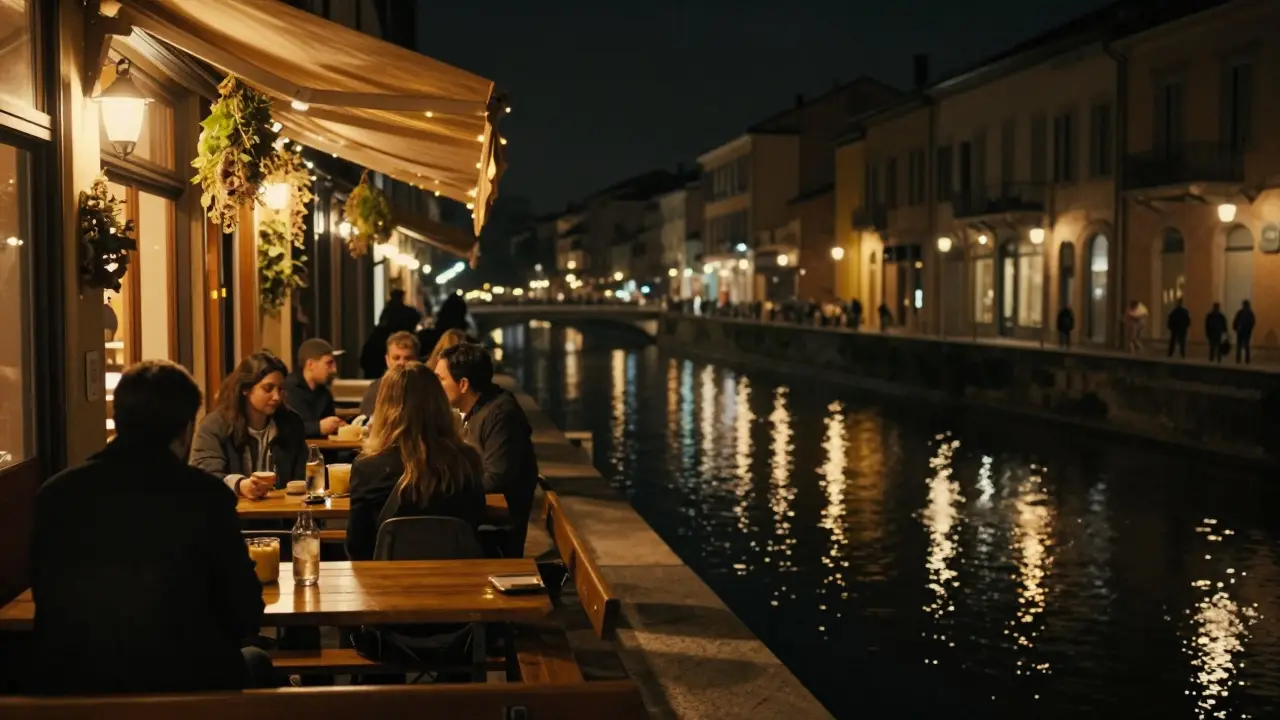
Forget the tourist traps near the Duomo. Head south to Naviglio Grande, where canals glow with string lights and locals spill out of narrow bars onto wooden benches. This is where Milanese professionals unwind after work, not tourists chasing Instagram moments. La Cucina del Naviglio serves craft gin tonics with house-made tonic and botanicals picked from their rooftop garden. Nearby, Bar del Naviglio has been pouring Aperol spritzes since 1987. No menu. Just a chalkboard with three drinks and a smile. You’ll find students, architects, and retired opera singers all sharing the same table. It’s not loud. It’s not flashy. But it’s authentic.
Underground beats: The techno scene in Lambrate
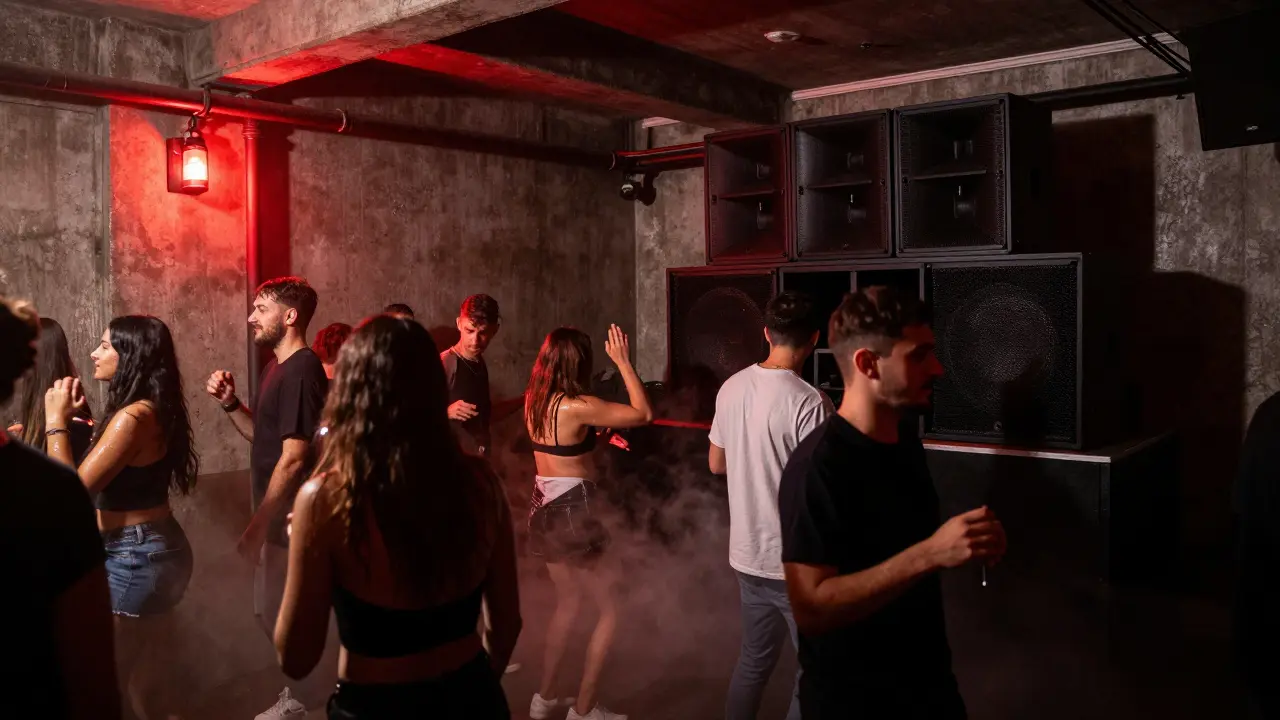
If you’re after bass that rattles your ribs, Lambrate is your neighborhood. Once an industrial zone, it’s now Milan’s most respected hub for underground electronic music. Officine Ufo is the place to go. It’s hidden behind a nondescript door in an old factory, no signage, no website. You find it by word of mouth. Inside, the sound system is custom-built by Italian engineers. The DJs? Mostly local talents who’ve played alongside names like Charlotte de Witte and Amelie Lens. The crowd? All ages. All backgrounds. No dress code. No VIP section. Just music, sweat, and a vibe that doesn’t quit until sunrise. Arrive after midnight. Leave when your feet hurt.
High-end lounges: Where Milan’s elite sip in silence
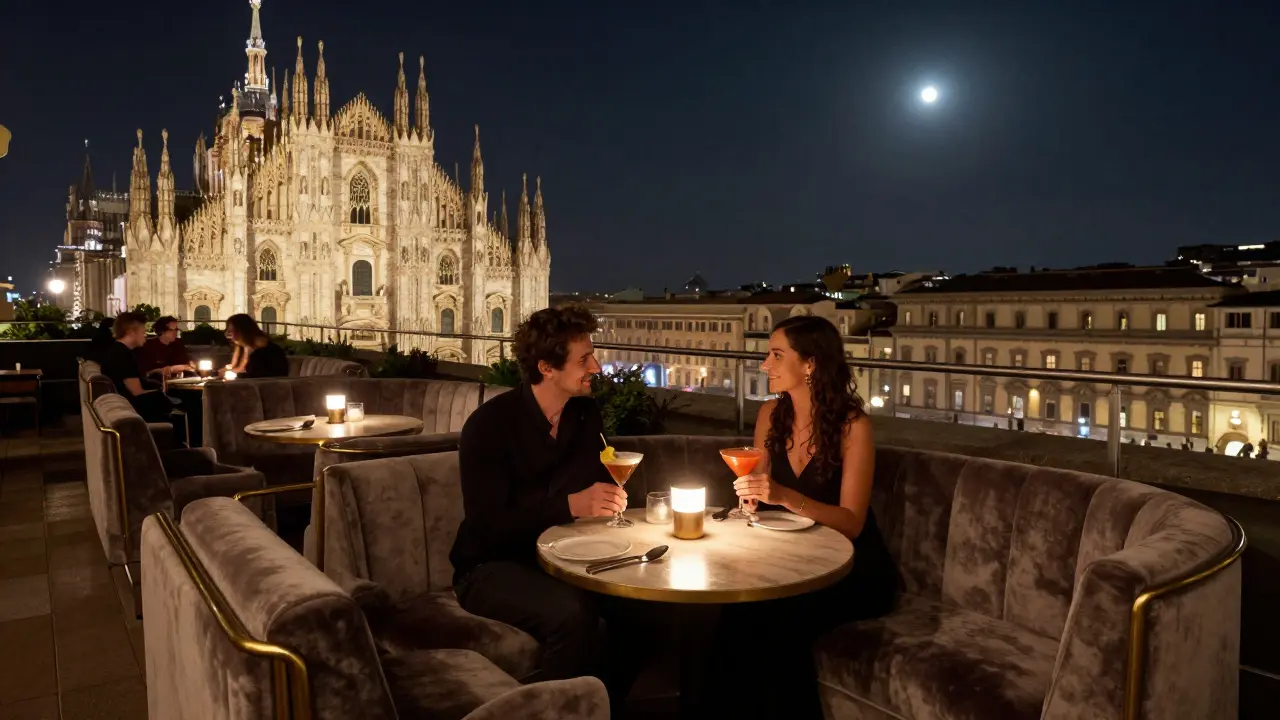
Not every night needs dancing. Sometimes you want velvet booths, dimmed lights, and a bartender who knows your name before you speak. Terrazza Triennale sits atop the Triennale Design Museum. It’s not a club. It’s an experience. The cocktails are named after Italian poets. The music? Ambient jazz mixed with distant city hums. The view? The entire city skyline, including the Galleria Vittorio Emanuele II, lit like a painting. Reservations are required. No one rushes you. You’re meant to linger. It’s expensive-around €25 for a drink-but you’re paying for atmosphere, not alcohol.
The hidden gem: Albatros Jazz Club
Most people don’t know Albatros even exists. It’s tucked under a staircase in Brera, Milan’s artsy district. The sign? A faded neon bat. Inside, it’s all wood paneling, vintage posters, and a stage barely bigger than a dining table. The jazz here isn’t background noise-it’s the main event. Local legends like pianist Giorgio D’Alessandro play weekly, often improvising for over two hours. No cover charge before 11 p.m. After that, it’s cash only. Bring euros. The crowd is quiet, respectful. You’ll hear more whispers than applause. It’s the kind of place where you leave feeling like you stumbled into a secret that wasn’t meant for you.
Weekend energy: The clubs that go until dawn
For those who want to dance until the sun comes up, two spots dominate: Armani/Silos Club and Magazzini Generali.
Armani/Silos Club isn’t just a venue-it’s a statement. It’s attached to the Armani museum, but the club operates on its own rhythm. Think minimalist design, mirrored ceilings, and DJs spinning house and deep techno. The dress code is strict: no sneakers, no logos, no casual wear. You’ll see tailored coats, silk shirts, and heels that click on marble floors. It’s not for everyone. But if you want to feel like you’re in a fashion film, this is it.
Magazzini Generali, on the other hand, is raw. It’s a converted warehouse with concrete walls, exposed pipes, and a sound system imported from Berlin. The lineup changes weekly-local DJs, international guests, even experimental noise artists. The crowd is mixed: artists, designers, students, expats. It opens at 11 p.m. and doesn’t turn off the lights until 7 a.m. There’s no VIP list. No bottle service. Just music, beer on tap, and a crowd that moves as one.
What to avoid
There are clubs in Milan that target tourists with overpriced drinks and fake exclusivity. Avoid anything with a sign that says “VIP Entrance” or “Exclusive Night.” If the bouncer is wearing a headset and checking your ID like you’re a suspect, walk away. The same goes for places that charge €50 for a cocktail. Real Milanese nightlife doesn’t need to scream. It whispers-and those who listen find the best spots.
Timing matters
Milan doesn’t start partying until after 11 p.m. Bars fill up around midnight. Clubs hit their stride at 1 a.m. If you show up at 9 p.m., you’ll be the only one there. Don’t rush it. Dinner ends at 10:30. Drinks start at 11. Dancing doesn’t begin until after 1 a.m. That’s the rhythm. Respect it.
How to get around
Public transport runs until 1:30 a.m. on weekdays and 2:30 a.m. on weekends. After that, you’ll need a taxi or rideshare. Uber is available but expensive. Local apps like FreeNow or Beat are cheaper and more reliable. Never drive yourself. The city’s narrow streets and parking chaos make it a nightmare.
What to wear
Milanese nightlife isn’t about flashy outfits. It’s about polish. Men: dark jeans, button-down shirt, clean shoes. No hoodies. No baseball caps. Women: dresses or tailored pants, heels or stylish flats. No flip-flops. Even in winter, layers matter. A long coat beats a puffer jacket. You’re not going to a festival-you’re going to a city that dresses for its nights.
Final tip: Talk to the bartenders
They know more than any guidebook. Ask them, “Where do you go after your shift?” Nine times out of ten, they’ll point you to a place you’ll never find on Google. That’s the real Milan. Not the one in brochures. The one that lives after midnight.
What time do Milan clubs usually close?
Most clubs in Milan stay open until 3 a.m. or 4 a.m., especially on weekends. Magazzini Generali and Officine Ufo often run until 7 a.m. during peak season. Bars in Naviglio Grande stay open until 2 a.m., while lounges like Terrazza Triennale close around midnight unless there’s a special event.
Is there a dress code for Milan nightlife?
Yes, but it varies. High-end venues like Armani/Silos Club require smart casual-no sneakers, no logos, no shorts. Underground spots like Officine Ufo have no dress code-comfort matters more than style. Lounges like Terrazza Triennale lean elegant but relaxed. When in doubt, dress slightly nicer than you think you need to. Milan notices details.
Are Milan clubs expensive?
It depends. Cocktail lounges charge €20-€30 for a drink. Clubs like Magazzini Generali have €10-€15 entry fees and €8-€12 for drinks. Bars in Naviglio Grande are affordable-€5 for a beer, €7 for a spritz. Avoid places that charge more than €25 for a cocktail unless it’s a special tasting. The best experiences don’t cost the most.
Is it safe to go out at night in Milan?
Yes, but stay aware. The main nightlife zones-Naviglio Grande, Lambrate, Brera, and Porta Venezia-are well-lit and patrolled. Avoid walking alone through empty streets after 3 a.m., especially near train stations. Use taxis or rideshares after midnight. Pickpocketing is rare in clubs but common near tourist areas like the Duomo. Keep your phone and wallet secure.
What’s the best night to go out in Milan?
Friday and Saturday are the busiest, but Thursday nights are when locals go out. That’s when you’ll find the most authentic crowds-fewer tourists, better music, and cheaper drinks. If you want to experience Milanese nightlife like a local, skip the weekend rush and go on Thursday.