
An Insider's Guide to Nightlife in Milan: Where to Go and What to Do
 Nov, 29 2025
Milan doesn’t sleep when the sun goes down. While it’s known for fashion and design, the city’s real pulse kicks in after 10 p.m. This isn’t just about drinking - it’s about movement, music, and meeting people who live for the rhythm of the night. If you think Milan is all about daytime runway shows and espresso bars, you’re missing half the story.
Start in Navigli - Where the Canals Come Alive
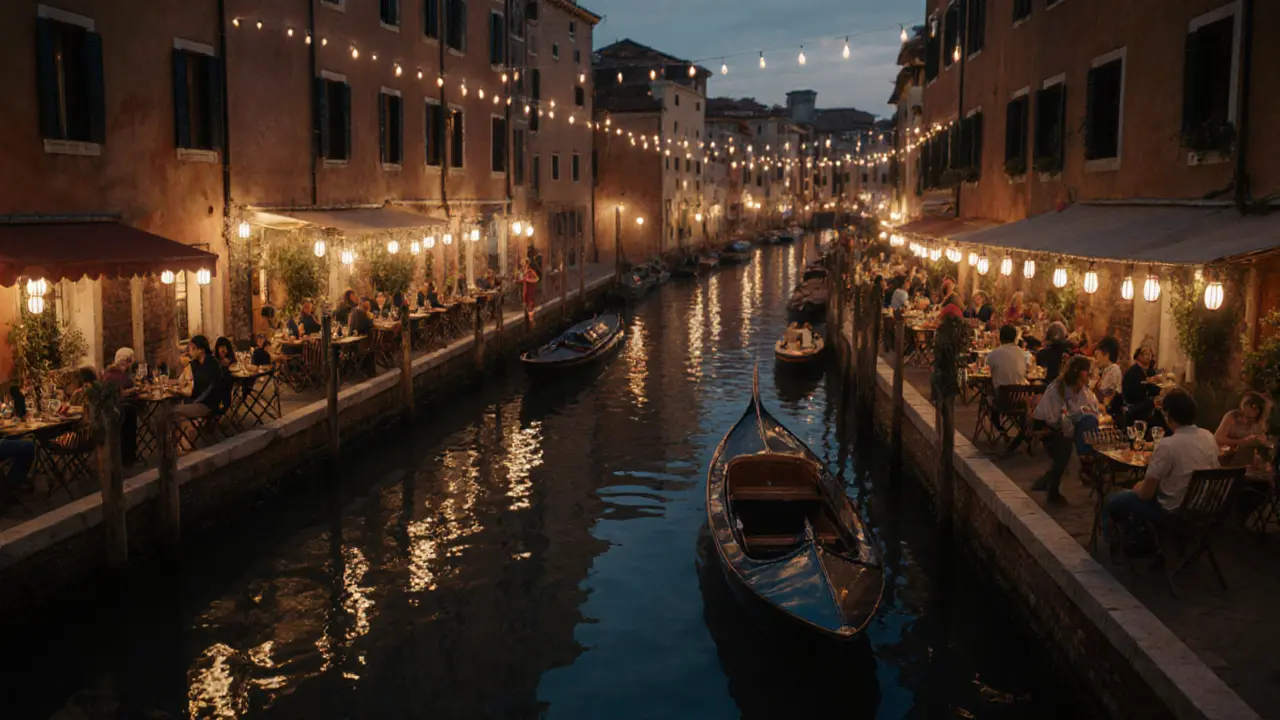
Head to Navigli, the canal-lined neighborhood that turns into an open-air party after dark. This is where locals unwind, not tourists posing for photos. The canals are lined with terraces where you can sip an Aperol Spritz while boats drift by. Don’t just walk through - sit down. Order a local wine like Franciacorta or a craft beer from Birrificio Italiano. The vibe is relaxed, but the energy builds as the night goes on.
By midnight, the crowd shifts from couples and friends to groups ready to dance. Skip the tourist traps near the main bridge. Instead, walk a few blocks south to Bar Basso, a legendary spot that invented the Negroni Sbagliato. It’s small, unassuming, and packed with people who know what they’re doing. You won’t find neon signs or DJs here - just perfect drinks and quiet conversation.
Clubs That Actually Matter: From Underground to Iconic
Milan’s club scene isn’t about big names - it’s about authenticity. If you want to see real Italian nightlife, skip the overpriced lounges in the Brera district. Go where the music matters.
Armani/Silos hosts exclusive after-parties during Fashion Week, but you don’t need a designer invite to get in. Look for their public events - they often open the doors to DJs from Berlin and Tokyo. The sound is crisp, the lighting is minimalist, and the crowd is sharp. No one’s here to be seen. Everyone’s here to feel the beat.
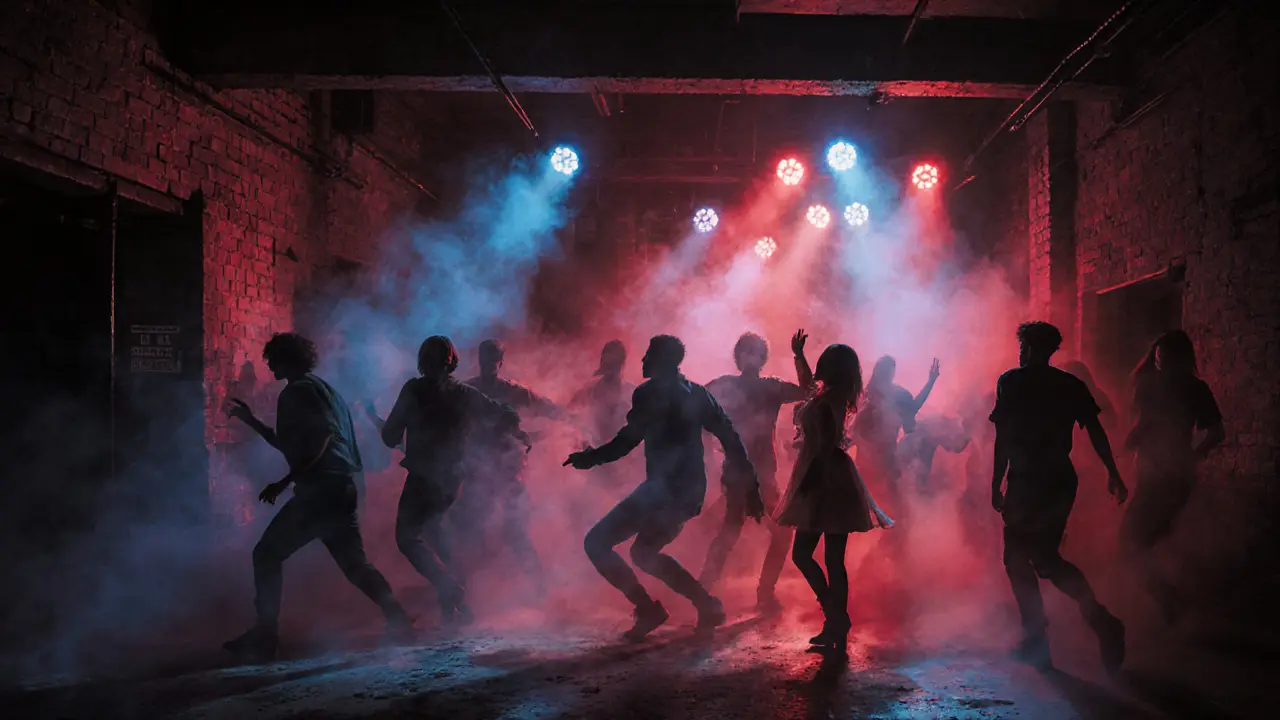
For something raw and underground, head to La Bicocca in the industrial zone. It’s not on Google Maps. You’ll need a tip from a local. The entrance is hidden behind a warehouse door. Inside, it’s dark, sweaty, and loud. Techno, house, and experimental beats play until 6 a.m. No VIP section. No dress code. Just music and movement.
And if you want to dance like it’s 1999, Baggio is your spot. It’s a former disco that never changed. The walls still have the original mirror balls. The playlist is all 80s and 90s Italo-disco. You’ll see people in their 50s dancing like they’re 25. It’s chaotic, joyful, and totally unique to Milan.
Where to Drink Before the Club: Aperitivo Culture
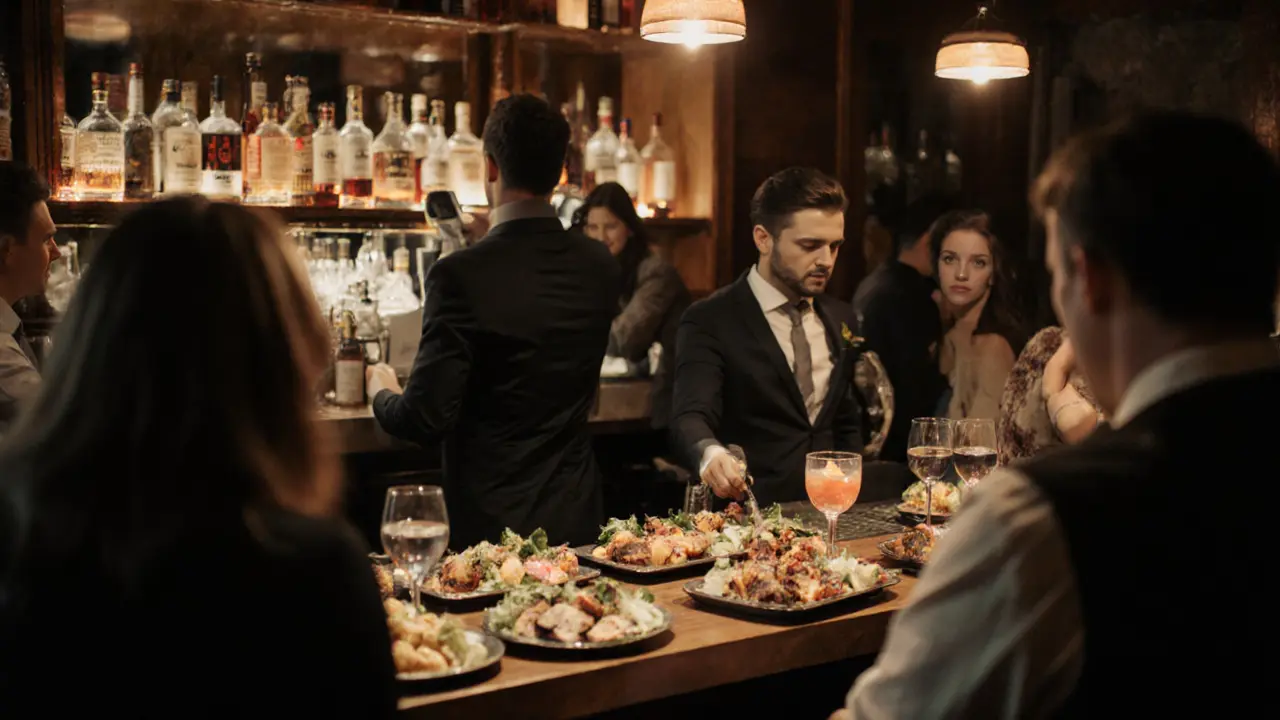
Milan’s aperitivo isn’t just a drink - it’s a ritual. Between 7 p.m. and 9:30 p.m., bars offer free snacks with any cocktail. This isn’t a buffet of chips and olives. Think fresh pasta, truffle arancini, grilled vegetables, and even mini risottos. You pay for the drink, and the food comes free.
Terrazza Aperol on Piazza XXV Aprile is the most Instagrammed spot, but the real gem is Bar Basso again - yes, it does aperitivo too. Or try Il Salumaio near Porta Venezia. Their aperitivo includes cured meats from northern Italy and local cheeses you’ve never heard of. The staff will tell you the story behind each one.
Pro tip: Go early. By 8:30 p.m., these places fill up. If you want to eat well and save money for the club later, this is the smartest move.
Live Music and Jazz - More Than Just Background Noise
Milan has one of Europe’s strongest jazz scenes. It’s not a side attraction - it’s a core part of the city’s identity. Blue Note Milano brings in artists from New York and Paris. Tickets start at €25, but the experience is worth it. The room is intimate. You can hear the saxophone breathe. You’ll see people closing their eyes, nodding slowly, completely lost in the music.
For something less formal, try La Casa del Jazz in the Lambrate district. It’s in a converted apartment. The owner plays vinyl between sets. No stage. No spotlight. Just a guy in a sweater and a woman singing with a microphone held in one hand. It feels like you’ve been invited into someone’s living room.
And if you’re into indie rock or electronic, check out Ex Dogana - a former customs building turned music venue. Bands from Milan’s underground scene play here weekly. The sound system is professional. The crowd is young, loud, and totally into it.
What Not to Do - And Where to Avoid
Not every place with a neon sign is worth your time. Avoid the clubs around Piazza San Babila. They’re overpriced, crowded with tourists, and play the same Top 40 hits you hear everywhere. You’ll pay €15 for a cocktail that tastes like syrup.
Same goes for the “VIP” lounges in the Duomo area. They’re designed to look exclusive, but they’re not. The bouncers are rude. The music is terrible. And you’ll leave feeling like you wasted your evening.
Also, don’t assume everyone speaks English. Learn a few phrases. “Un’aperitivo, per favore.” “Quanto costa?” “Grazie.” Italians appreciate the effort. It opens doors.
When to Go - Timing Is Everything
Milan doesn’t move like New York or London. Dinner starts at 9 p.m. Aperitivo ends at 9:30. Clubs don’t fill up until 11:30. And the real party? It starts at 1 a.m.
Weekends are packed. But Thursday and Friday nights are the sweet spot. The crowd is younger, the music is better, and the lines are shorter. If you’re staying longer, plan your nights around local events. Check Milano Notte - the city’s official nightlife calendar. They list free concerts, pop-up bars, and themed nights you won’t find on tourist sites.
How to Get Around - No Cars, Just Trams and Walks
Don’t rent a car. Parking is a nightmare. Instead, use the metro. Line M1 (red) runs from Navigli to the city center. Line M2 (green) connects to Lambrate and Baggio. A single ticket costs €2.20 and works for 90 minutes on buses and trams too.
Or just walk. Milan is compact. From Navigli to Armani/Silos is a 20-minute stroll. From there to Blue Note is another 15. You’ll discover hidden courtyards, street art, and little bakeries open late. That’s the real Milan - not the one on postcards.
Final Rule: Be Present
Milan’s nightlife isn’t about checking boxes. It’s not about taking selfies with a cocktail in front of a fancy bar. It’s about being there - listening to the music, tasting the wine, talking to the person next to you. The best moments happen when you stop trying to find the ‘perfect’ spot and just let the night lead you.
Follow the sound of laughter. Turn down the alley that looks quiet. Sit where the locals sit. You’ll end up somewhere unforgettable - even if you didn’t plan it.
What’s the best time to start nightlife in Milan?
Start with aperitivo around 7 p.m., then head to dinner at 9 p.m. Clubs don’t get busy until after 11:30 p.m., and the real energy kicks in after 1 a.m. Don’t rush - Milan moves slower than other European cities.
Is Milan nightlife safe for solo travelers?
Yes, especially in Navigli, Lambrate, and Brera. These areas are well-lit and full of people. Avoid isolated streets after 3 a.m., and don’t carry large amounts of cash. Public transport runs until 1:30 a.m. on weekends, and taxis are easy to find via apps like FreeNow.
Do I need to dress up for Milan clubs?
It depends. For places like Armani/Silos or Blue Note, smart casual works - no shorts, no sneakers. For underground spots like La Bicocca, jeans and a clean shirt are fine. The rule is simple: if you look like you’re trying too hard, you’re probably doing it wrong.
Are there any free nightlife events in Milan?
Yes. Check Milano Notte’s calendar - they list free jazz nights, open-air cinema in parks, and pop-up bars in abandoned buildings. Many local galleries also host after-hours openings on Fridays with drinks and live music. These events are rarely advertised to tourists.
What’s the average cost for a night out in Milan?
Aperitivo with food: €10-15. Cocktail at a bar: €12-18. Club entry: €10-20 (sometimes free before midnight). Drinks inside: €8-12. You can have a full night out for €40-60 if you avoid tourist traps and stick to local spots.