
Best Nightlife in Monaco for Music Lovers: Clubs, Live Venues, and Hidden Gems
 Dec, 5 2025
Monaco isn’t just about yachts and casinos. If you love music, the principality comes alive after dark in ways most tourists never see. Forget the clichés-this isn’t a place where you sip champagne in silence. It’s where world-class DJs spin under the stars, jazz legends play in intimate lounges, and underground beats pulse through converted warehouses. The music scene here doesn’t just cater to tourists; it’s woven into the fabric of the city’s identity.
Where the Beats Are Loudest: The Top Clubs
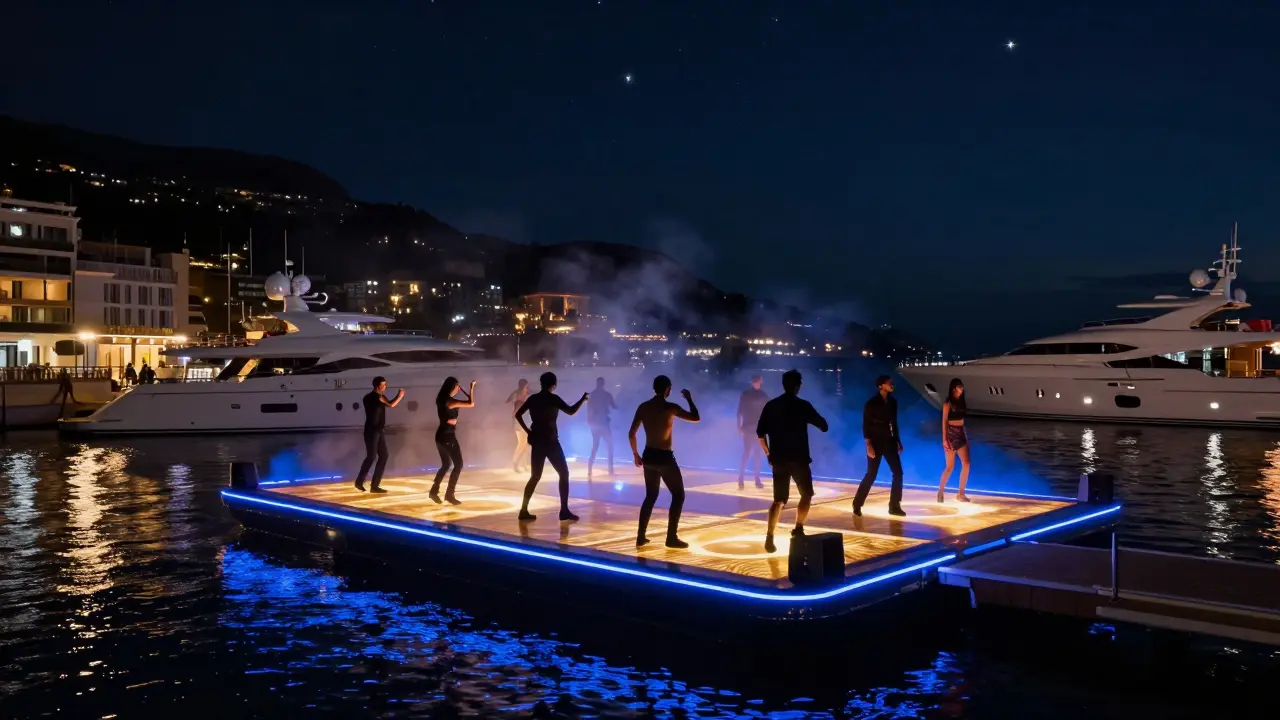
If you’re after high-energy nights, Yacht Club is the place. Open since 2023, it’s the only club in Monaco with a floating dance floor on the harbor. DJs like Carl Cox and Charlotte de Witte have headlined here, and the sound system-custom-built by German engineers-delivers bass you feel in your chest. The crowd? Mostly locals and serious music fans, not just rich tourists looking for photos.
Then there’s Le Rocking Chair, a retro-inspired club tucked behind the Monte Carlo Casino. It doesn’t look like much from the outside-industrial lights, mismatched sofas-but inside, it’s pure vinyl heaven. Every Friday, they host a 12-hour set where DJs play only records from the 70s to early 2000s. No playlists. No streaming. Just analog warmth. Regulars say it’s the only place in Europe where you can hear a rare original pressing of a 1982 New Order track and not have to pay $500 for it.
For electronic music purists, La Cigale is the underground answer. No signage. No website. You get in by text message only, sent after 10 PM to a number posted on a single bulletin board near the train station. Inside, the walls are lined with soundproof foam, and the lighting shifts with the tempo. It’s been called the “Berlin of the Mediterranean,” and it’s where local producers test new tracks before dropping them online.
Live Music That Doesn’t Feel Like a Tourist Show
Monaco’s live music scene isn’t just about DJs. The Opéra de Monte-Carlo hosts jazz nights every Thursday in its smaller hall, the Salle Garnier. It’s not the main opera stage-it’s quieter, cozier, with only 200 seats. Artists like Esperanza Spalding and Nils Landgren have played here. Tickets start at €45, but if you arrive early, you can often snag a standing spot for €15. The acoustics? Better than most jazz clubs in Paris.
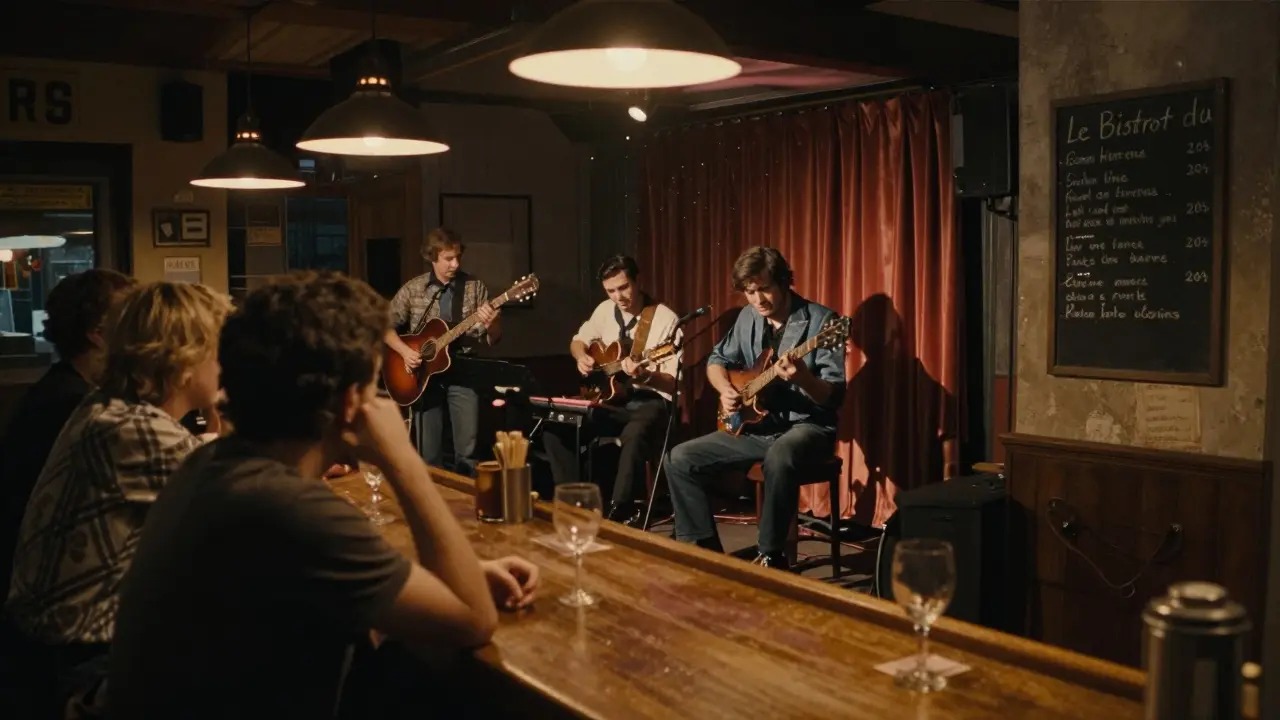
For something grittier, head to Le Bistrot du Port. It’s a fishmonger’s turned bar in the old port, with a tiny stage in the back. Local bands play blues, rock, and French chanson every Saturday. No cover charge. No drinks menu-just a chalkboard with prices scribbled in marker. The owner, Michel, has been booking acts since 1998. He doesn’t care if you’re famous. He cares if you sound real. A band called Les Ombres played here for three years before getting signed by a Paris label.
Hidden Spots Only Locals Know
There’s a rooftop bar above a pharmacy in La Condamine called Le Toit de la Pharmacie. You walk up a narrow staircase, past bottles of aspirin and cough syrup, and emerge onto a terrace with string lights and a turntable spinning soul records. It’s open only on weekends, from 10 PM to 2 AM. No reservations. No alcohol license-so you bring your own wine. The owner, a retired violinist, plays piano on Tuesdays. He doesn’t announce it. You just hear it when you walk in.
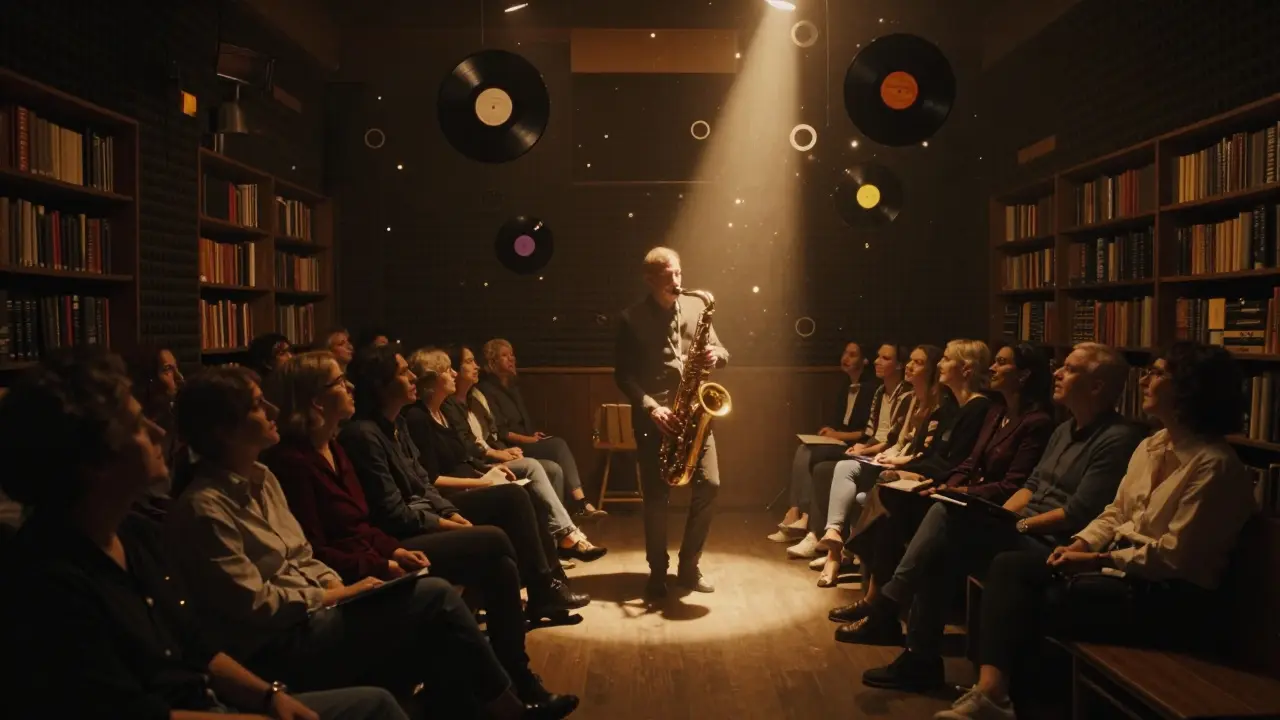
Then there’s the Underground Jazz Cellar beneath a bookstore in Fontvieille. You need a password, which changes monthly. It’s posted on a local Facebook group with 1,200 members. The room is small-barely 30 people fit. The sound is intimate, the vibe sacred. No phones allowed. No talking during sets. People come here to listen, not post. One attendee told me they’ve been coming for 11 years. “It’s the only place,” they said, “where I feel like music still matters.”
Seasonal Events That Music Fans Shouldn’t Miss
Every May, the Monaco International Jazz Festival fills the Place du Palais with free outdoor concerts. Over 30 acts play across three days. In 2024, it drew 42,000 people. The lineup mixes legends like Herbie Hancock with rising stars from Senegal and Brazil. Bring a blanket. The grass is soft. The air smells like salt and espresso.
During the Formula 1 Grand Prix weekend, the city turns into a pop-up music hub. Pop-up stages appear on the harborfront, and local artists perform sets synced to the race’s timing. In 2023, a DJ from Marseille played a live remix of the race’s engine sounds-beat by beat. It went viral. Now it’s an annual tradition.
And if you’re here in late October, don’t miss Les Nuits du Port. It’s a three-night event where the entire old port transforms into an open-air music gallery. Musicians perform on boats, on docks, even on floating rafts. You walk from one sound to the next-reggae, flamenco, techno-without ever leaving the water’s edge.
What to Know Before You Go
Monaco’s nightlife isn’t cheap. Drinks start at €18. Cover charges at major clubs range from €30 to €80. But here’s the trick: many venues offer free entry before midnight if you arrive with a group of four or more. Ask at the door. Most bouncers will say yes.
Transportation is easy. The Monaco train station connects to Nice and Menton, and the free shuttle buses run until 2 AM. Taxis are expensive, but ride-sharing apps like Bolt work well. Don’t rely on walking-some clubs are tucked into hillsides with no sidewalks.
And dress code? It’s relaxed. Jeans and a nice shirt are fine everywhere except Yacht Club, where they check for no sneakers. But even there, if you look like you know your way around a beat, they’ll let you in.
Why Monaco’s Music Scene Feels Different
This isn’t Ibiza. It’s not Las Vegas. Monaco doesn’t need to scream to attract attention. Its music scene thrives because it’s quiet, selective, and deeply rooted in authenticity. You won’t find chain clubs or branded bottle service. You’ll find people who care about the music-not the brand on their shirt.
It’s also small. That’s the advantage. In most cities, you need to hunt for hidden gigs. In Monaco, you stumble into them. A band you’ve never heard of plays on a Tuesday. You stay for three songs. You leave with a new favorite. That’s the rhythm here.
Music lovers don’t come to Monaco for the glitz. They come because the sound is real, the crowds are genuine, and the nights feel like they were made for listening-not just partying.
Is Monaco’s nightlife only for the rich?
No. While some venues are upscale, many-like Le Bistrot du Port, Le Toit de la Pharmacie, and the Underground Jazz Cellar-have no cover charge or low prices. Free events like the Jazz Festival and Les Nuits du Port draw locals and visitors alike. You don’t need a private jet to enjoy the music.
What’s the best night to go out for live music in Monaco?
Friday and Saturday are busiest, but Tuesday and Thursday offer the most intimate experiences. The Opéra de Monte-Carlo’s jazz nights are on Thursdays, and Le Toit de la Pharmacie’s piano nights are on Tuesdays. These nights are less crowded, and the music is often more experimental.
Can I find electronic music outside of Yacht Club and La Cigale?
Yes. During the Formula 1 weekend, pop-up stages feature techno and house DJs. Also, check the Facebook group “Monaco Underground Music” for last-minute warehouse parties in Fontvieille. These aren’t advertised publicly-they’re shared only among members.
Are there any music venues open during the day?
Not traditional venues, but some cafes like Café de Paris and Le Comptoir du Port host acoustic sessions from 3 PM to 6 PM on weekends. These are low-key, perfect for coffee and a guitar set. No alcohol, no noise complaints.
Is it safe to walk around Monaco at night after clubs close?
Yes. Monaco has one of the lowest crime rates in Europe. The streets are well-lit, and police patrols are frequent. The biggest risk is getting caught in a late-night traffic jam near the casino. Stick to the main paths, and use the free shuttle if you’re tired.