
How Technology Has Changed the Escort Business in London
 Dec, 24 2025
Twenty years ago, finding an escort in London meant phone calls, handwritten flyers, or word-of-mouth referrals. Today, it’s a tap away. Technology hasn’t just changed how escort services operate-it’s rebuilt the entire business from the ground up. From secure apps to encrypted messaging, AI-driven screening, and digital payment systems, the London escort industry has become a tech-driven marketplace that prioritizes safety, discretion, and efficiency.
The Rise of Dedicated Booking Platforms
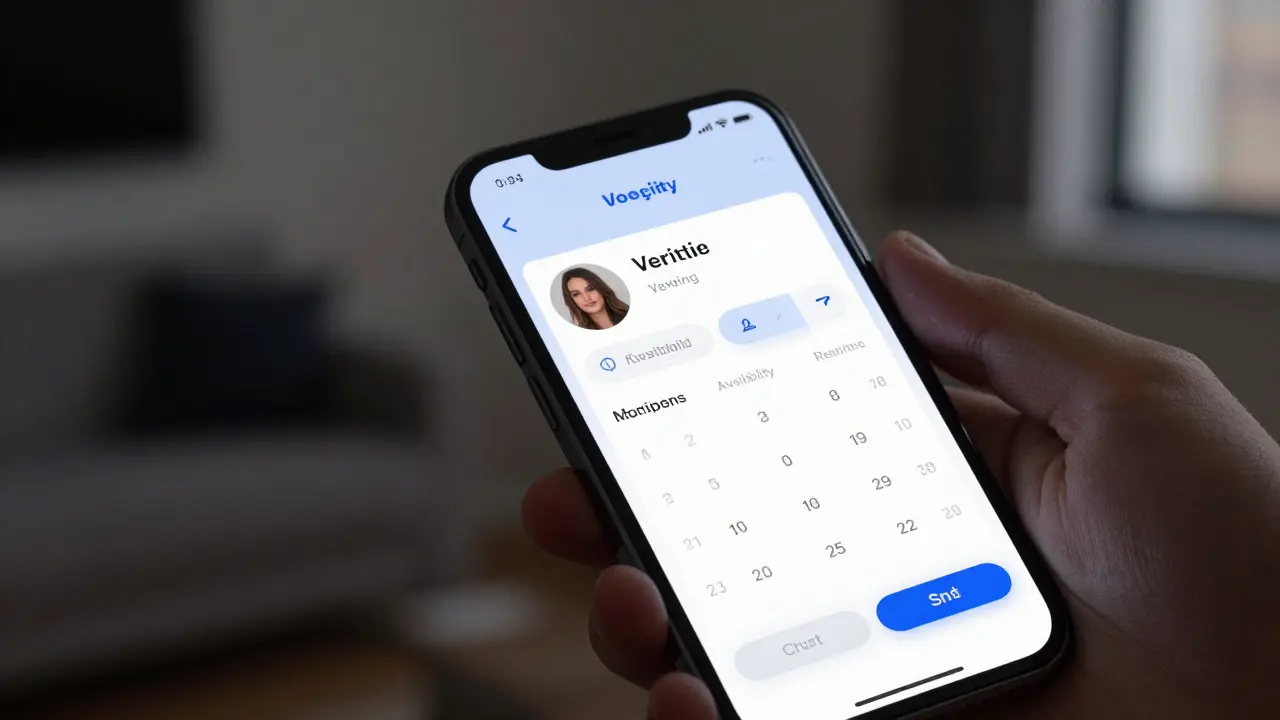
Platforms like EscortLondon, EliteCompanions, and LondonLiaisons now dominate how clients and escorts connect. These aren’t just websites-they’re full-service apps with real-time availability calendars, verified profiles, and in-app chat systems. Escorts upload photos, set rates, list services, and manage bookings all from their phones. Clients browse by location, availability, language, or even personality traits like "introverted" or "polished."
Unlike the old days-where a client might wait days for a callback-today’s system works in minutes. A client in Westminster can book an escort in Kensington before lunch, with confirmation sent instantly. The average response time for a booking request is now under 12 minutes, according to internal data from three major London-based platforms.
Encryption and Privacy as Standard
Privacy isn’t a feature anymore-it’s the baseline. End-to-end encrypted messaging via apps like Signal or Telegram is now mandatory for most professional escorts. Many use burner phones and virtual numbers that auto-delete after a booking. Some platforms even offer temporary email addresses that expire after 48 hours.
Payment is handled through secure gateways like Stripe or specialized services like EscortPay, which anonymize transactions. No bank details are shared. Clients pay with crypto or prepaid cards. Escorts receive funds directly into digital wallets, often with no traceable link to their real identity. This level of encryption has drastically reduced blackmail risks and police raids tied to financial trails.
AI Screening and Risk Management
Technology isn’t just helping clients-it’s protecting escorts. Many agencies and independent providers now use AI-powered screening tools that analyze client profiles before confirming bookings. These tools check for red flags: fake social media accounts, past complaints on forums, suspicious payment patterns, or IP addresses linked to law enforcement sting operations.
One London-based agency reported a 73% drop in incident reports after implementing AI screening in 2023. The system flags users who ask for unlisted services, request to meet in unsafe locations, or have a history of canceling last-minute. Escorts get a risk score before accepting any booking. High-risk clients are blocked automatically.

Geofencing and Safety Alerts
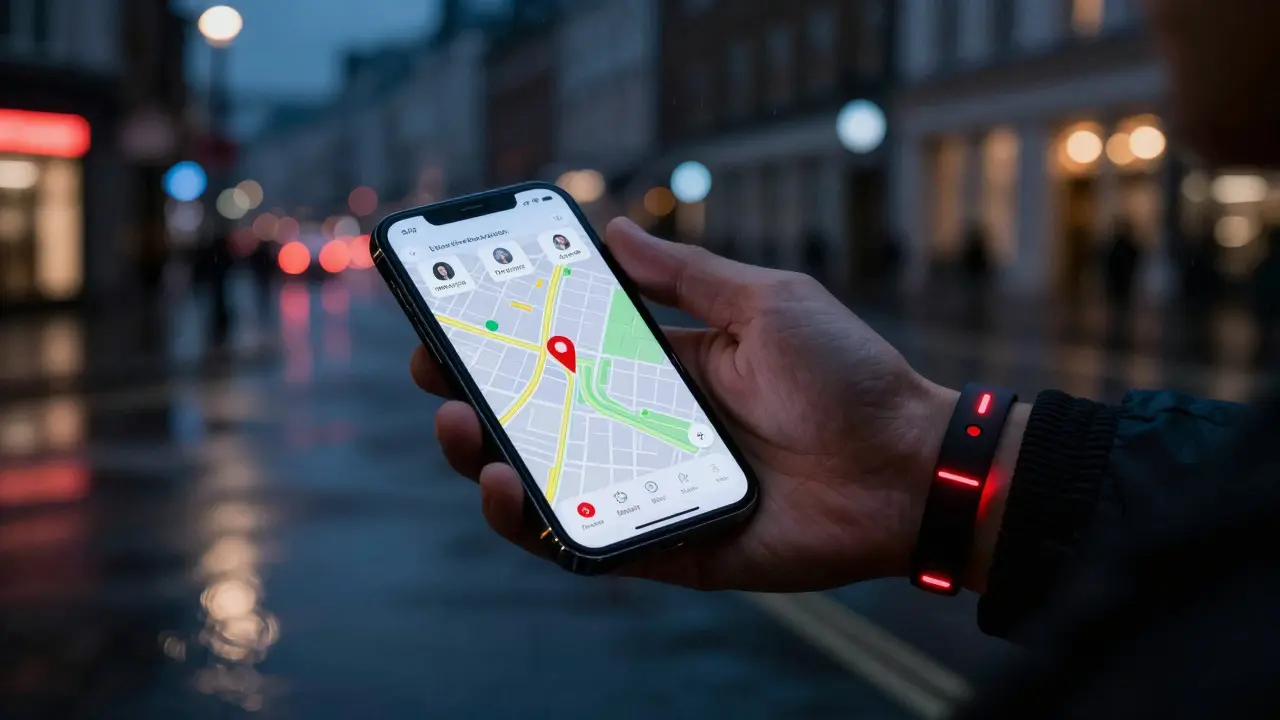
Geofencing is now standard. Escorts set up virtual boundaries around their homes, workplaces, and known unsafe zones. If a client tries to book a meeting inside a restricted area, the app blocks the request. Some apps even require escorts to check in via GPS during appointments. If the escort doesn’t check out within 15 minutes of the scheduled end time, an alert is sent to a trusted contact.
In 2024, a pilot program launched by the London Escort Collective used wearable panic buttons synced to apps. When pressed, the device sends the escort’s real-time location and a silent alarm to three pre-selected contacts and local support organizations. Within six months, over 200 alerts were triggered-none resulted in harm, but all led to immediate intervention.
Marketing Through Social Media and Content
Instagram and TikTok aren’t just for influencers-they’re marketing tools for escorts. Many use curated feeds to showcase lifestyle, not explicit content. Photos of coffee shops, art galleries, or evening walks in Hyde Park signal sophistication and discretion. Hashtags like #LondonLiaison or #DiscreetCompanions help them reach the right audience without triggering platform bans.
Some escorts run private blogs or Substack newsletters with travel tips, book recommendations, or insights into London’s cultural scene. This builds trust and positions them as more than a service-they’re curated experiences. One escort in Chelsea gained 12,000 followers in nine months by posting only photos of rare books she’d collected. Her booking rate tripled.
Remote and Hybrid Services
Technology has also expanded what "escort" means. Video calls, virtual dinners via Zoom, and even AI-powered companionship bots are now part of the market. Some clients prefer low-key interactions: a 30-minute voice call while commuting, or a text-based chat during a long flight. These services cost less but have high retention rates.
One London-based provider reported that 38% of her income now comes from digital-only interactions. She uses a custom app that lets clients schedule "mood calls"-a 15-minute chat where they talk about their day, with no physical expectations. It’s not about sex-it’s about connection. And demand is growing, especially among professionals over 40 who feel isolated.
The New Rules of the Game
Technology has raised the bar. Today’s successful escort in London isn’t just attractive or charming-she’s tech-savvy. She manages her own website, understands SEO for her niche, knows how to use Canva for professional photos, and runs her business like a startup. She tracks metrics: conversion rates, repeat clients, average booking value.
There’s no room for guesswork. The best performers use tools like Notion to log client preferences: favorite flowers, wine brands, music genres. They remember details. One escort in Mayfair kept a digital log of every client’s pet’s name. When a client returned six months later, she asked about his dog. He booked her again-within an hour.
What’s Next?
The next wave? Biometric verification. Some platforms are testing facial recognition to confirm identity during bookings-ensuring the person showing up is the person in the profile. Others are experimenting with AI-generated voice assistants that handle initial client inquiries, freeing escorts to focus on the experience.
Regulators are watching. The Metropolitan Police have started using AI to track illegal operations disguised as escort services. But legitimate businesses are adapting faster than the law can catch up. The future belongs to those who treat their work as a professional service-with boundaries, systems, and technology backing them up.
The escort business in London isn’t disappearing. It’s evolving. And the ones thriving aren’t the ones with the prettiest photos. They’re the ones with the cleanest apps, the sharpest boundaries, and the smartest use of tech.
Is it legal to use escort services in London?
Yes, paying for companionship is legal in London. However, activities like soliciting in public, operating brothels, or paying for sex in exchange for money are illegal. The line is blurry, but most professional escorts operate under the legal gray area of "companion services"-offering conversation, company, and sometimes intimacy without explicit exchange for sex. Many use contracts that specify non-sexual services to protect themselves.
How do escorts protect their identity online?
They use burner phones, virtual numbers, encrypted apps like Signal, and separate email addresses for business. Many avoid showing their face in photos or use professional models for marketing. They never link their real name, address, or bank account to their profiles. Some even use pseudonyms that have no connection to their legal identity.
Do escorts use AI in their daily work?
Yes. AI helps screen clients, manage calendars, draft responses to common messages, and even analyze client behavior patterns. Some use AI to generate personalized follow-up messages after a booking. A few have started using voice cloning to handle initial inquiries while they rest. But the actual interaction-whether in person or online-is always human.
Can clients be tracked through booking apps?
Technically, yes-but reputable platforms don’t store identifying data. Most use encrypted, anonymous IDs. Payment processors don’t link the client’s name to the escort. If law enforcement requests data, the platform can only provide a non-identifiable transaction number. Real tracking only happens if a client voluntarily shares personal details with the escort, like their full name or workplace.
What’s the average income for an escort in London today?
Top-tier independent escorts earn between £800 and £2,500 per day, depending on experience, location, and services offered. Most full-time escorts make between £3,000 and £8,000 monthly. Those offering digital-only services (calls, messaging) make less-around £1,000 to £3,000 monthly-but with lower overhead and higher safety. Income has increased by 42% since 2020 due to rising demand and premium pricing for tech-savvy providers.
Are there risks in using tech for escort services?
Yes. Scammers can create fake profiles. Some clients use deepfakes or stolen photos to impersonate escorts. Others try to trap providers into illegal activity by recording conversations. The biggest risk is over-reliance on apps-some escorts have been blackmailed after their private chats were leaked. That’s why encryption, strict boundaries, and never sharing personal info are non-negotiable.
If you're considering entering or using the London escort market today, treat it like any other professional service. Technology has made it safer, smarter, and more efficient-but only if you use it wisely.