
Istanbul's Nightlife: A Melting Pot of Cultures and Experiences
 Jan, 15 2026
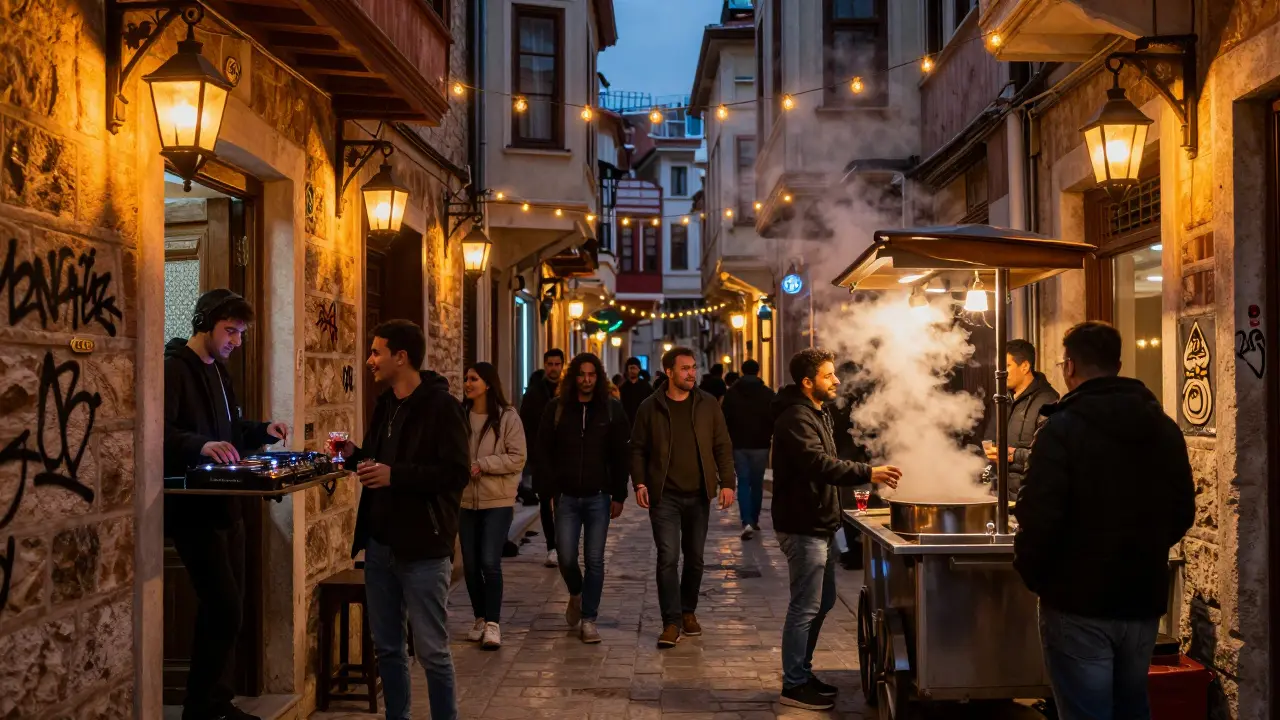
Walk through the back alleys of Beyoğlu after midnight and you’ll hear Arabic pop blending with techno beats, French jazz drifting from a hidden rooftop, and the clink of raki glasses echoing off Ottoman-era walls. Istanbul’s nightlife isn’t just about drinking or dancing-it’s a living mosaic of centuries, continents, and contradictions. This isn’t a city that turns off when the sun sets. It wakes up.
Where East Meets West, One Drink at a Time
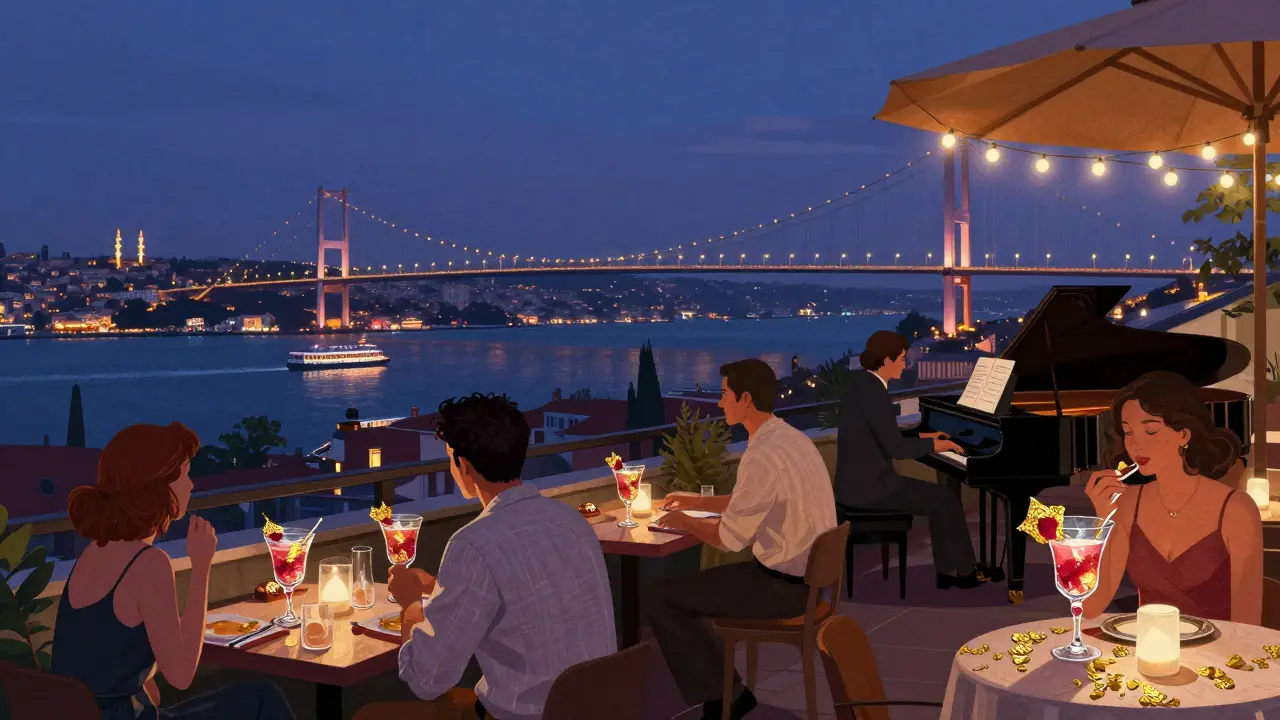
On one side of the Bosphorus, you’ll find traditional meyhanes in Kadıköy where elderly men play backgammon under dim lanterns, sipping raki with meze plates of eggplant, grilled octopus, and pickled turnips. The air smells of garlic, smoke, and history. On the other side, in Nişantaşı, sleek cocktail bars serve gin infused with rosewater and black sesame, garnished with edible gold leaf. Both places are equally Istanbul. Neither is more authentic than the other-they’re just different chapters of the same story.
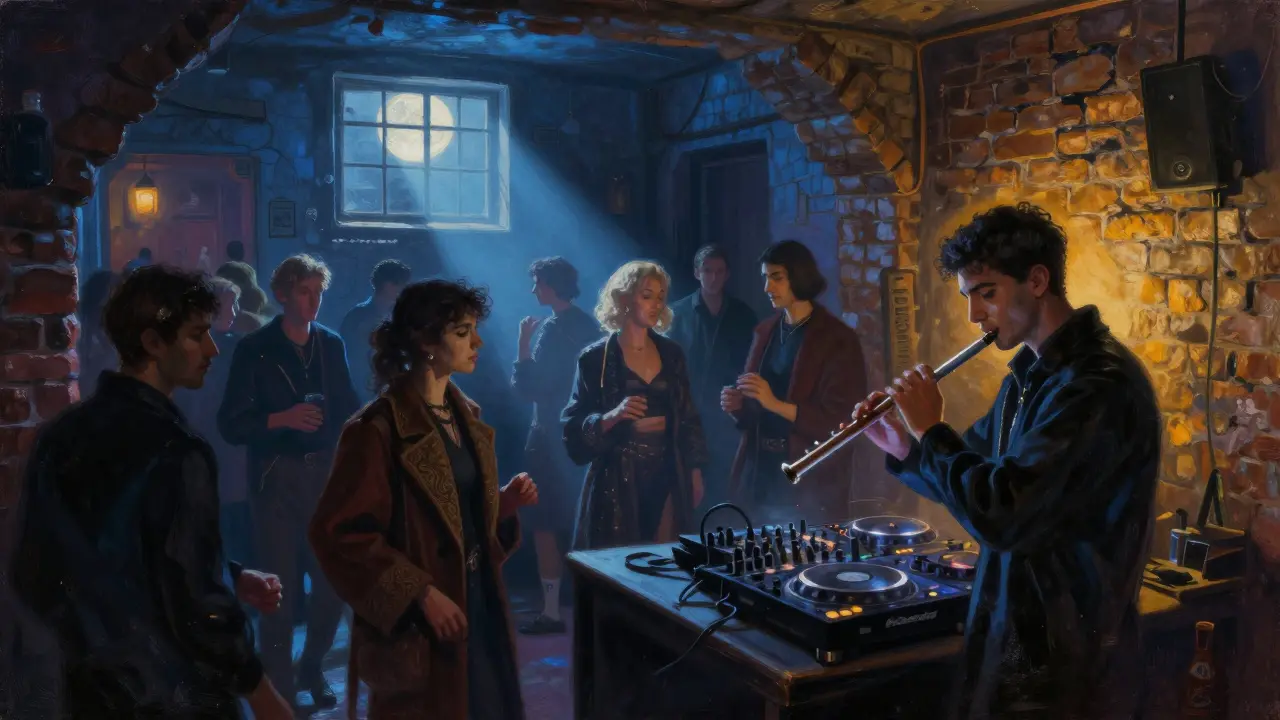
What makes Istanbul’s nightlife unique isn’t the quantity of venues-it’s the layering. You can start your night with a cup of Turkish coffee at a 19th-century café in Çukurcuma, then hop on a ferry to Üsküdar for live Sufi music at a converted Ottoman mansion. By 2 a.m., you’re in a basement club in Karaköy where a DJ mixes ney flutes with house beats, and the crowd is half locals, half expats, half tourists who somehow found their way here without a guidebook.
From Rooftops to Underground: The Scene Has Layers
Forget the clichés. Istanbul doesn’t have one nightlife scene-it has ten. Each neighborhood has its own rhythm.
In Karaköy, the vibe is industrial-chic. Old warehouses turned into clubs like Karaköy Güneş host underground electronic acts and experimental sound installations. The walls are raw brick, the lighting is low, and the crowd doesn’t care if you’re dressed up or in jeans. This is where Istanbul’s young creatives come to be heard, not seen.
On the other end of the spectrum, the rooftop lounges of Beşiktaş offer panoramic views of the Bosphorus Bridge, live piano jazz, and cocktails named after Ottoman sultans. Places like The Deck or 360 Istanbul attract a mix of diplomats, artists, and business travelers who want elegance without pretension. You’ll find CEOs in linen shirts next to poets reading their work between sets.
And then there’s the underground. Hidden behind unmarked doors in Cihangir or Balat, you’ll find queer-friendly spaces like Bar 102 or Chai Lounge, where drag performers, trans DJs, and non-binary MCs command the stage. These aren’t tourist traps-they’re sanctuaries. And they’ve been around longer than most people realize.
The Food That Keeps the Night Alive
No night in Istanbul ends without food. And no food is more essential to the scene than street snacks. Around 1 a.m., the kebab carts roll out. The smell of charcoal-grilled lamb and cumin hits you before you even see the light. At Çiya Sofrası in Kadıköy, you can order lamb liver wrapped in flatbread with pomegranate molasses and crushed walnuts-something you won’t find on any tourist menu.
Then there’s the simit sellers. These are the unsung heroes of Istanbul nights. You’ll find them outside clubs, near ferry docks, and on street corners, handing out sesame-crusted bread rings to people stumbling out after midnight. It’s not just a snack-it’s a ritual. Eat it with a glass of ayran, and you’re doing it right.
And don’t skip the late-night desserts. Bademli Helva in Eminönü serves warm semolina halva with crushed almonds and a drizzle of syrup, served in paper cups. It’s messy, sweet, and perfect after a long night. Locals know: if you’re still awake at 3 a.m., you’re not alone-and you definitely need dessert.
Cultural Crossroads: Music That Doesn’t Know Borders
Istanbul’s music scene is a living archive. You’ll hear bağlama strings one night, and the next, a band playing post-punk in Turkish with samples of call to prayer. At Boğaziçi Jazz Club, you might catch a Turkish jazz quartet reimagining Bill Evans with kanun and darbuka. At Bar 12, a Kurdish folk singer and a German electronic producer improvise a set that leaves the crowd speechless.
This isn’t fusion for the sake of trendiness. It’s survival. For decades, musicians from Syria, Iraq, Iran, and the Balkans have settled in Istanbul, bringing their sounds with them. They didn’t come to perform for tourists. They came because the city let them in. And now, their music is part of the city’s heartbeat.
Even the traditional Turkish music scene has evolved. Sufi ceremonies in Galata aren’t just for visitors anymore. Locals now attend weekly zikr gatherings, where the whirling dervishes move in rhythm with ambient electronic drones. It’s spiritual. It’s modern. It’s Istanbul.
Who’s Really Out There?
Don’t expect to see only young people in Istanbul’s clubs. You’ll find retirees dancing to arabesque at open-air venues in Üsküdar. You’ll see grandmothers sipping tea on balconies while their grandchildren dance below. You’ll spot students from Ankara, expats from Berlin, and Syrian refugees who now run their own music cafes in Fatih.
The diversity isn’t performative. It’s lived. You’ll hear Arabic, Russian, English, Kurdish, and Greek spoken in the same bar. People don’t ask where you’re from. They ask what you’re drinking. And if you don’t know the name of the drink, someone will pour you one anyway.
This is the real magic of Istanbul’s nightlife: no one is an outsider. Not really. Even if you’ve never been here before, you’ll feel like you’ve always belonged.
How to Navigate It Without Getting Lost
Here’s what actually works:
- Start in Karaköy or Beyoğlu after 9 p.m. and walk. The streets are safe, well-lit, and full of energy.
- Take the ferry. It costs less than a coffee and connects you to neighborhoods you’d never find on foot.
- Don’t rely on Uber. Taxis are cheap, but they’ll take you to tourist traps. Use BiTaksi instead-it’s local, reliable, and cheaper.
- Bring cash. Many small bars and underground spots don’t take cards.
- Learn to say “şerefe” (to your health) when clinking glasses. It’s not just polite-it’s expected.
And if you’re unsure where to go? Just follow the music. If you hear a ney flute and a bassline at the same time, you’re on the right path.
It’s Not a Party. It’s a Conversation.
Istanbul’s nightlife doesn’t scream. It whispers. It invites. It remembers. You won’t find neon signs saying “THE BEST CLUB IN TURKEY.” You won’t see influencers posing with cocktails. You’ll find people-real people-sharing stories, music, and food under the same sky that once watched Ottoman sailors and Venetian merchants pass by.
This isn’t about checking off a list of clubs. It’s about letting the city speak to you. Listen closely. The night will answer.
Is Istanbul nightlife safe for solo travelers?
Yes, especially in areas like Karaköy, Beyoğlu, and Nişantaşı. The streets are well-lit, locals are friendly, and police presence is common near popular spots. Avoid isolated alleys after 3 a.m., but most nightlife zones are safe for solo travelers. Just use common sense-don’t flash valuables, and stick to busy areas.
What’s the best time to experience Istanbul’s nightlife?
The real scene starts around 11 p.m. and peaks between 1 a.m. and 4 a.m. Bars open at 9 or 10, but the energy doesn’t build until after midnight. Clubs don’t fill up until 2 a.m., and the real magic happens after 3 a.m.-when the crowds thin, the music gets deeper, and the locals take over.
Are there quiet options for people who don’t like loud clubs?
Absolutely. Try a meyhane in Kadıköy with live bağlama music, a rooftop tea lounge in Beşiktaş, or a book café in Cihangir that turns into a jazz spot after 10 p.m. Many venues have cozy corners where conversation flows louder than the music. Look for places with dim lighting, wooden tables, and no dance floor.
Do I need to dress up for Istanbul nightlife?
No. Istanbul is surprisingly casual. In most places, clean jeans and a nice shirt are enough. Some upscale rooftop bars might expect smart-casual, but you won’t see suits or evening gowns unless it’s a special event. Locals dress to feel comfortable, not to impress. If you’re overdressed, you’ll stand out-for the wrong reason.
Can I find vegetarian or vegan food at night?
Yes, more than you’d think. Many meyhanes offer vegan meze like stuffed grape leaves, roasted eggplant, lentil soup, and hummus. In Karaköy and Cihangir, you’ll find dedicated vegan bars serving jackfruit kebabs and plant-based raki cocktails. Just ask-most places are happy to adapt.
Is there a dress code for Sufi ceremonies?
Yes, but it’s simple. Modest clothing is expected-no shorts, tank tops, or revealing outfits. Shoes must be removed before entering. These aren’t tourist shows; they’re spiritual gatherings. If you’re respectful, you’ll be welcomed. No photography during the ceremony, but you can take pictures afterward.