
Istanbul's Nightlife: A Symphony of Lights, Sounds, and Flavors
 Dec, 6 2025
When the sun sets over the Bosphorus, Istanbul doesn’t sleep-it wakes up. The city’s nightlife isn’t just about drinking or dancing. It’s a layered experience: the clink of glasses on rooftop terraces, the hum of ney flutes drifting from a hidden meyhane, the bass thumping through underground clubs in Karaköy, the smell of grilled mackerel from a 2 a.m. street cart. This isn’t a tourist show. It’s a living rhythm that’s been going for centuries, and it’s still changing every year.
Where the City Comes Alive After Dark
Istanbul’s nightlife isn’t one scene. It’s dozens of them, scattered across neighborhoods that each have their own pulse. In Beyoğlu, the main drag of İstiklal Caddesi buzzes with people walking, laughing, arguing, and dancing. But if you turn down any side street, you’ll find something completely different. One alley might lead to a jazz bar where a pianist plays Bill Evans while tourists sip raki. The next might open into a 1920s-style speakeasy hidden behind a bookshelf, where the bartender knows your name even if you’ve never been before.Çemberlitaş and Sultanahmet feel quiet at night, but just a 10-minute walk away, in the narrow alleys of Cihangir, the energy shifts. Locals gather in tiny wine bars with no signs, just a single string of fairy lights. You’ll find people talking politics, poetry, or the latest football match. No one’s there to be seen. They’re there because it feels like home.
The Raki Ritual and the Modern Mezze Revolution
You can’t talk about Istanbul’s nightlife without talking about raki. It’s not just a drink-it’s a social contract. Served with ice and water, it turns milky white when diluted. It’s meant to be sipped slowly, paired with small plates of food called meze. In a traditional meyhane, you’ll get dolma, haydari, grilled octopus, and patlıcan salatası. But the new wave of places-like Muzaffer in Karaköy or Kanaat in Nişantaşı-are reimagining mezze. Think truffle-infused cacık, smoked eggplant with pomegranate molasses, or lamb tartare with wild mint.Don’t expect a menu. At places like Kanaat, the chef brings out what’s fresh that day. You eat what’s on the table. The rule? No one leaves until the bottle’s empty and the last plate is clean. It’s not about drinking to get drunk. It’s about the time between the first and last sip.
Clubs That Don’t Care About Opening Hours
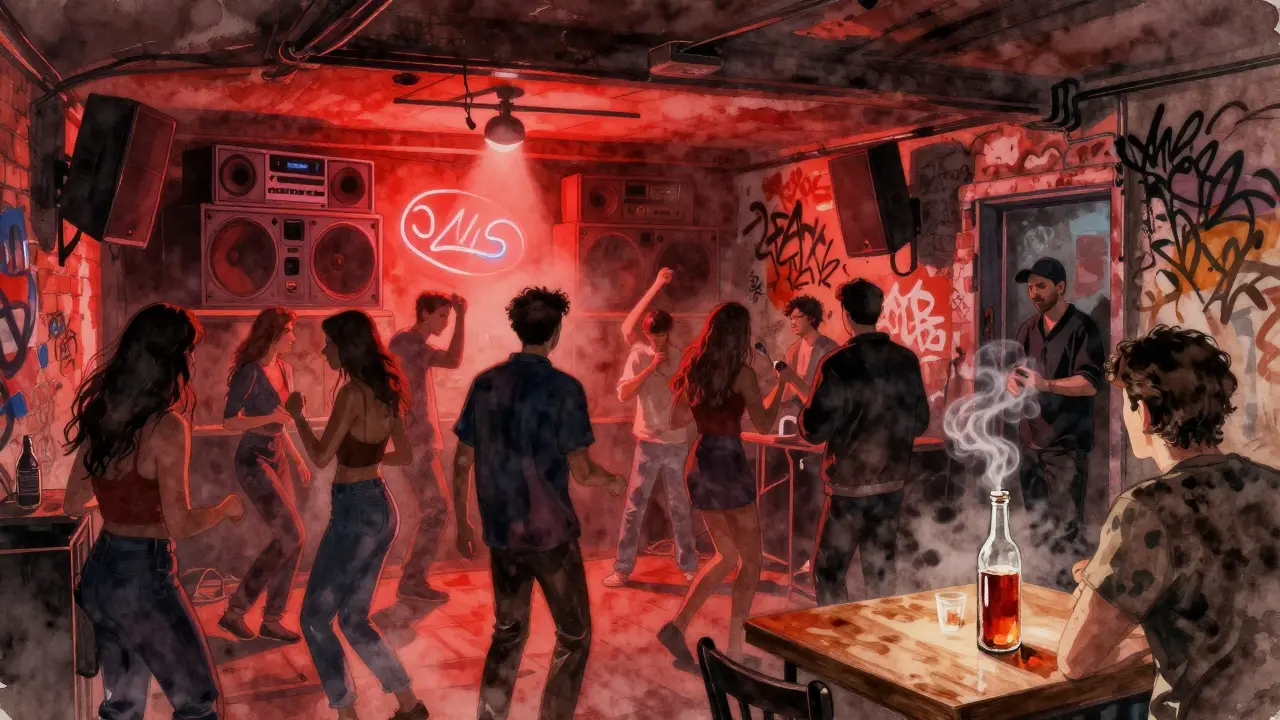
Istanbul’s club scene is raw, real, and relentless. If you want to dance until sunrise, you go to Reina or Karga. Reina, perched on the Bosphorus shore, has been a landmark since the 90s. It’s where international DJs play and locals show up in designer clothes, but the vibe is still loose. You’ll see a grandmother in a fur coat sipping champagne next to a 22-year-old rapper in cargo shorts.But the real magic happens in the basement clubs. Places like Karga, tucked under a parking garage in Karaköy, don’t advertise. You find them through word of mouth. The music? House, techno, experimental Turkish electronica. The crowd? Artists, musicians, students, expats, and Istanbul natives who’ve been coming here since they were 18. No velvet ropes. No cover charge before midnight. Just a door, a bouncer who nods if you look like you belong, and a sound system that shakes your ribs.
Some clubs don’t even open until 3 a.m. and don’t close until noon. That’s normal. In Istanbul, night doesn’t end-it evolves.
Hidden Rooftops and Secret Gardens
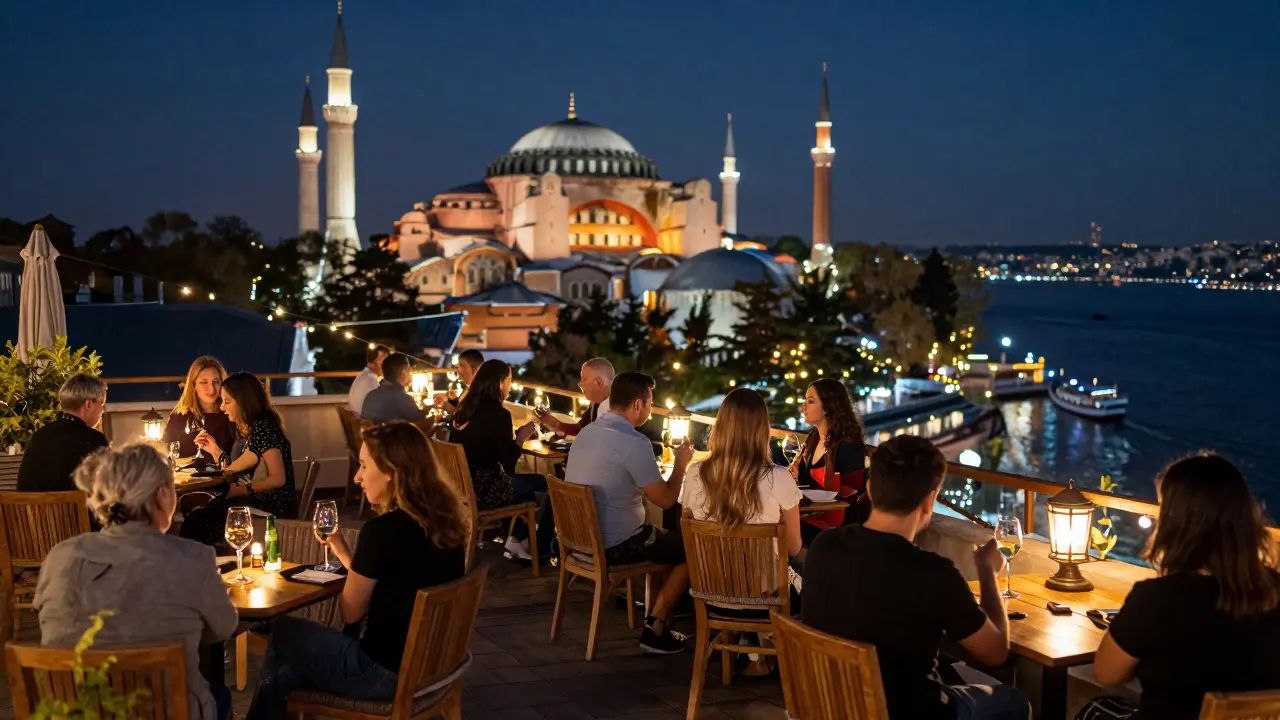
The best views of Istanbul’s skyline aren’t from the top of a hotel. They’re from rooftops you have to know about. In Nişantaşı, there’s a place called Asmalı Konak-a rooftop garden with mismatched chairs, string lights, and a view of the Hagia Sophia lit up like a jewel. You order a glass of local white wine and sit in silence as the call to prayer echoes across the city. It’s not loud. It’s not crowded. It’s exactly what you need after a night of noise.On the Asian side, in Kadıköy, there’s a rooftop called Bar 1907 that used to be a 19th-century printing press. Now it’s a cozy spot with low lighting, vinyl records spinning, and cocktails made with Turkish herbs like sumac and rosehip. No one takes photos here. Everyone just talks. And when the wind blows off the Sea of Marmara, it carries the scent of salt and smoke.
Street Food That Never Sleeps
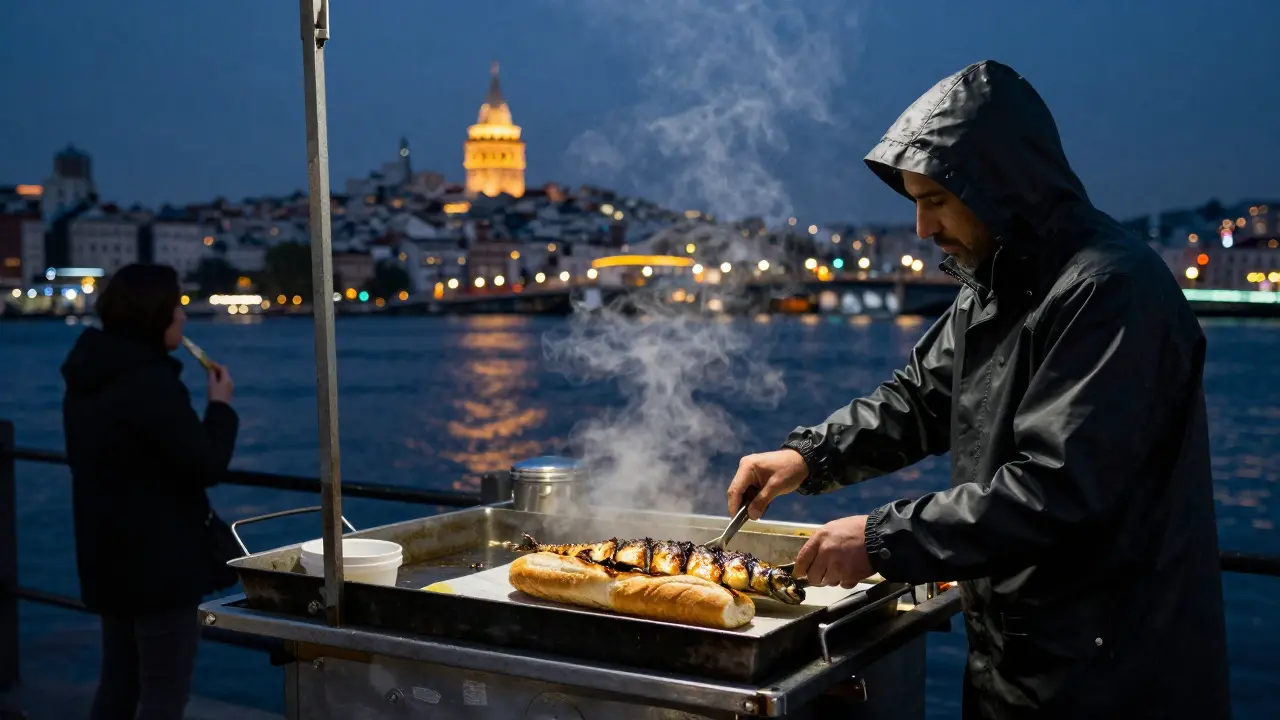
No matter how late you’re out, food is always nearby. In Istanbul, the night doesn’t end with a drink-it ends with a bite. Around 2 a.m., the kebab carts roll out near Taksim and Eminönü. The best doner? It’s the one with the slow-turning meat, crispy edges, and fresh flatbread. You eat it standing up, hands sticky with sauce, while a guy behind you argues about football.Then there’s the balık ekmek boats near the Galata Bridge. Freshly grilled mackerel in a crusty roll, with onions, lettuce, and a squeeze of lemon. You buy it from a man in a raincoat, standing on a wooden boat, as the Bosphorus glows under the bridge lights. It costs 35 Turkish lira. You’ll remember it longer than any club.
And if you’re still awake at 4 a.m., find a simit cart. Warm sesame bread, soft inside, crunchy outside. Eat it with a cup of Turkish tea. No sugar. Just the tea, the bread, and the quiet.
What You Won’t Find in Istanbul’s Nightlife
Istanbul doesn’t have chain bars. You won’t find a Starbucks open until 3 a.m. serving pumpkin spice lattes. There are no neon-lit pubs with DJs playing Top 40 hits on loop. The city doesn’t cater to tourists looking for a “typical night out.”You won’t find safety in crowds here. You find it in familiarity. Locals don’t go out to be entertained. They go out to connect. To laugh. To argue. To sit in silence with someone who understands without saying a word.
And if you’re looking for a party that lasts until morning? You’ll find it. But it won’t be loud. It won’t be flashy. It’ll be the kind of night that stays with you because it felt real.
How to Navigate Istanbul’s Night Without Getting Lost
Start early. Don’t wait until midnight to figure out where to go. Walk around Beyoğlu in the early evening. Let yourself get turned down alleys. Ask a local where they go after work. They’ll take you somewhere you’d never find on Google Maps.Use public transport. The Tünel funicular from Karaköy to Beyoğlu runs until 2 a.m. The tram on İstiklal Caddesi runs until 1 a.m. After that, take a taxi. They’re cheap, and drivers know every hidden bar.
Carry cash. Many small places don’t take cards. And always have a bottle of water with you. Raki is strong. Drink slowly. Eat often.
And don’t rush. The best nights in Istanbul aren’t planned. They’re stumbled into.
Is Istanbul nightlife safe for tourists?
Yes, Istanbul’s nightlife is generally safe for tourists, especially in popular areas like Beyoğlu, Karaköy, and Nişantaşı. Stick to well-lit streets, avoid isolated alleys late at night, and don’t carry large amounts of cash. Most locals are welcoming and will help if you seem lost. As long as you use common sense-just like in any big city-you’ll be fine.
What’s the best time of year to experience Istanbul nightlife?
Late spring through early autumn (May to October) is ideal. The weather is mild, rooftop bars are open, and outdoor seating is everywhere. Summer nights are electric, especially in July and August. Winter nights are quieter but more intimate-many locals prefer the cozy meyhanes and hidden jazz spots during colder months. You’ll still find plenty of action, just with fewer crowds.
Do I need to dress up for Istanbul clubs?
It depends. Reina and other upscale venues expect smart casual-no flip-flops or tank tops. But most underground clubs, like Karga or Sinek, are completely relaxed. Jeans, a clean shirt, and sneakers are fine. The crowd cares more about your vibe than your brand. In meyhanes, even sweaters and sneakers are normal. Dress for comfort, not status.
Are there any places I should avoid at night?
Avoid walking alone in the backstreets of Fatih or the industrial zones near the docks after midnight. These areas aren’t dangerous per se, but they’re not built for nightlife. Stick to the main districts: Beyoğlu, Karaköy, Nişantaşı, Kadıköy, and Cihangir. If you’re unsure, ask your hotel staff or a local. They’ll point you to the right place.
Can I find English-speaking bartenders in Istanbul?
In tourist-heavy areas like İstiklal Caddesi or Reina, yes-most bartenders speak English. But in the hidden meyhanes and basement clubs, they might not. That’s part of the charm. Learn a few Turkish phrases: "Teşekkür ederim" (thank you), "Bir şey değil" (it’s nothing), and "Bir raki lütfen" (a raki please). Locals appreciate the effort, and it opens doors you didn’t know existed.