
Nightlife in Istanbul: A Journey Through Time and Space
 Dec, 1 2025
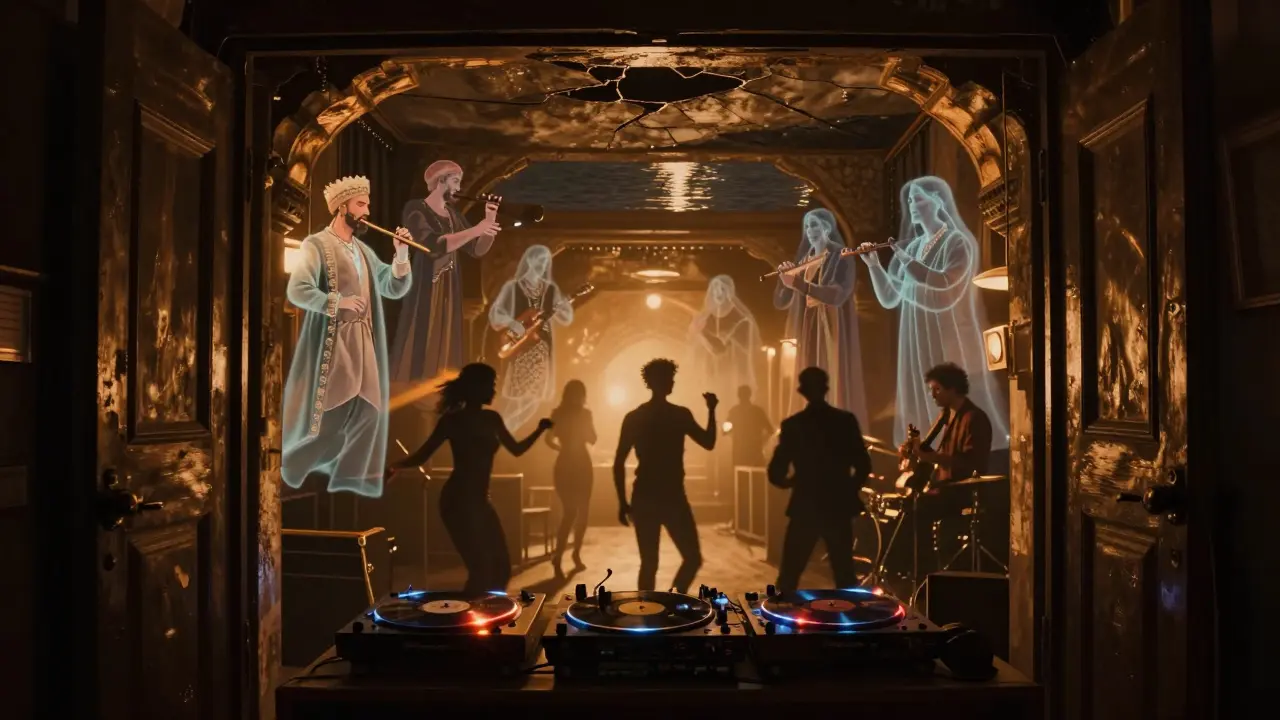
When the sun sets over the Bosphorus, Istanbul doesn’t sleep-it transforms. The city that once echoed with the call to prayer and the clatter of Ottoman carriages now pulses with bass from hidden rooftop clubs, the clink of raki glasses in dimly lit meyhanes, and the laughter of locals and visitors dancing under string lights in alleyways older than most European capitals. This isn’t just a night out. It’s a walk through centuries, where Byzantine walls hold modern DJs, and centuries-old taverns serve cocktails named after Sultans.
The Soul of Beyoğlu: Where the Night Begins
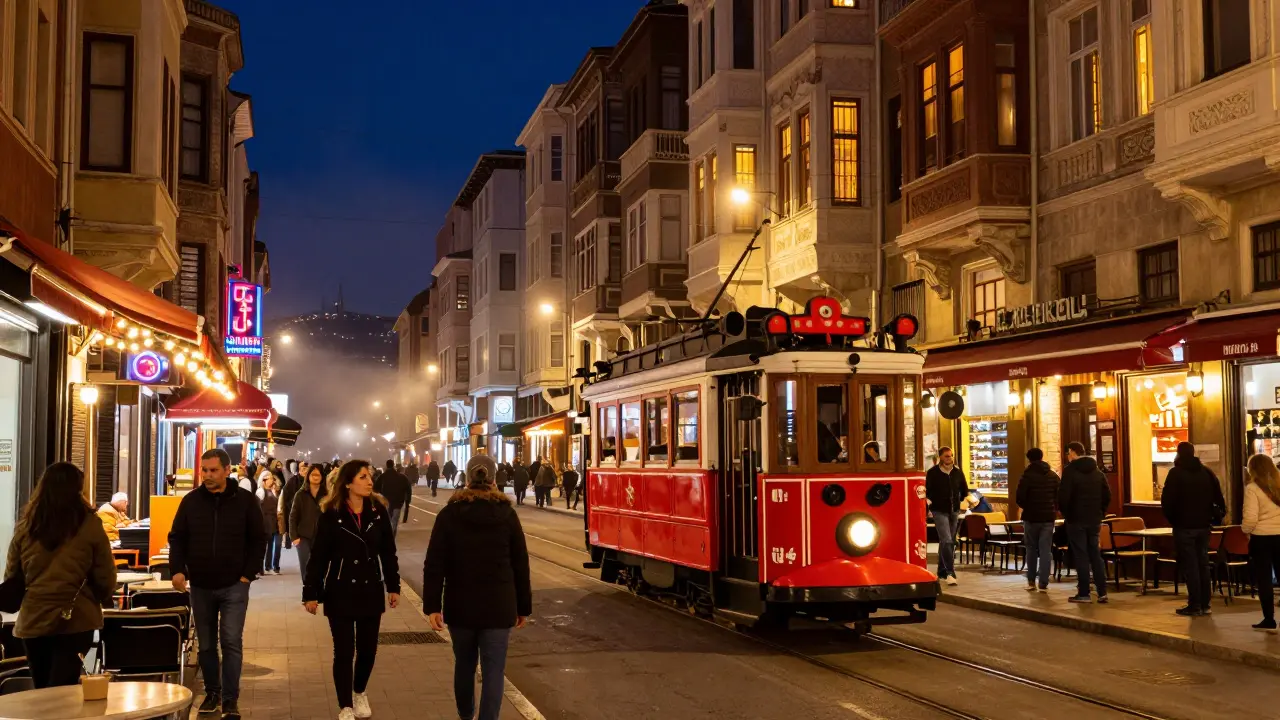
Beyoğlu is the beating heart of Istanbul’s nightlife. Walk down İstiklal Avenue after 9 p.m., and you’ll feel the city’s energy shift. The tram still rattles along its century-old tracks, but now it’s surrounded by neon signs for cocktail bars, vinyl shops, and live jazz clubs. This isn’t a tourist trap-it’s a living neighborhood where students, artists, and expats mingle like they’ve always done.
Head down to the side streets like Cihangir or Nişantaşı, and you’ll find places that don’t advertise. Bar 1914 sits in a converted Ottoman apartment, serving craft gin cocktails with names like ‘Küçük Ay’ (Little Moon) and playing Turkish jazz from the 1970s. No menus. No reservations. You just show up, and if the owner likes your vibe, you get a seat. That’s the rule here.
Don’t miss Karaköy Güverte, a rooftop bar built on an old warehouse. The view of the Golden Horn at sunset is worth the climb alone. But stay past dusk. The music changes. The crowd changes. The city changes.
The Meyhane Experience: More Than Just Drinks
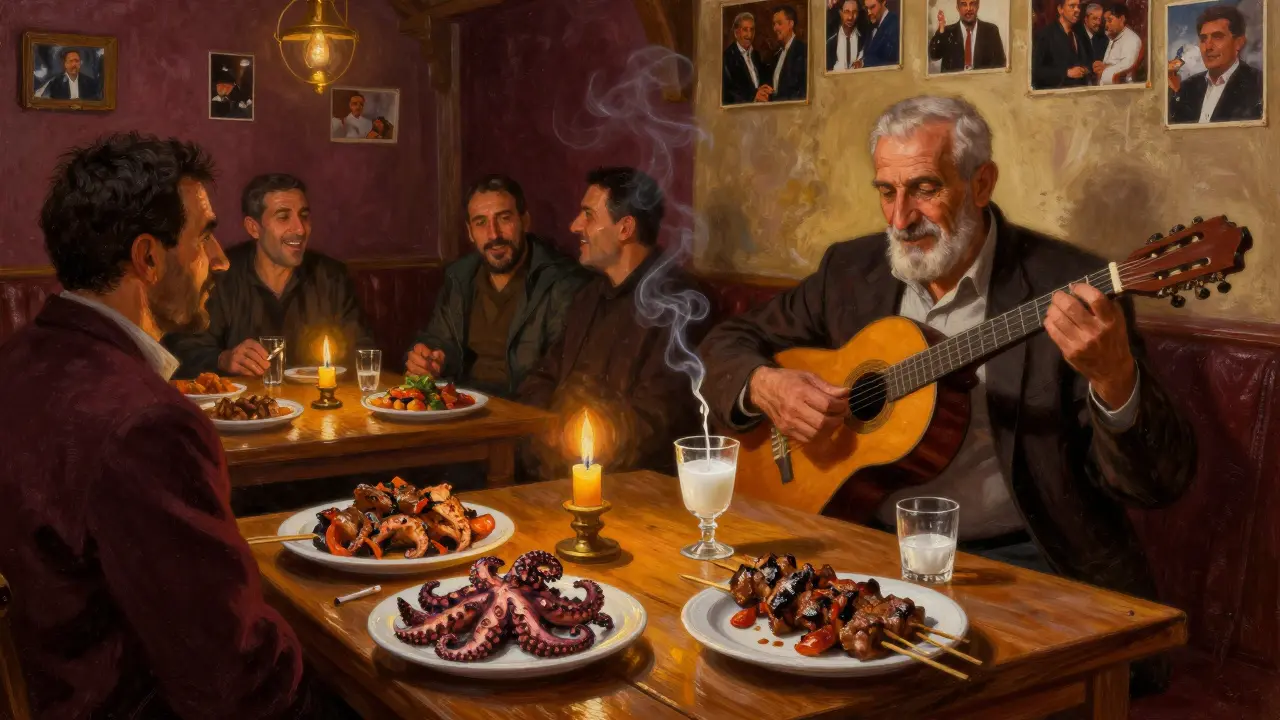
If you think nightlife means loud music and flashing lights, you haven’t been to a proper meyhane. These traditional Turkish taverns are where time slows down. Think wooden tables, candlelight, and the smell of grilled octopus and lamb kebabs. The drinks? Raki, of course. Clear, anise-flavored, and served with water and ice-it turns milky white when mixed, like a slow-motion magic trick.
Çiya Sofrası in Kadıköy is the oldest meyhane in the city, dating back to 1898. It doesn’t look like much from the outside, but inside, you’ll find locals singing folk songs with a guitarist, sharing plates of haydari (yogurt dip with dill), and arguing passionately about football. No one rushes you. No one asks for your passport. You’re just another guest at the table.
At Asmalı Mescit in Beyoğlu, the walls are covered in photos of musicians who played here decades ago. The owner still plays old Turkish records on a vinyl player. You can order a glass of raki and a plate of stuffed grape leaves, and sit for hours. That’s the point. It’s not about how many drinks you have-it’s about how many stories you hear.
The Underground Scene: Clubs That Don’t Exist on Google Maps
Istanbul’s underground clubs aren’t in travel guides. They’re passed by word of mouth. Some are in basements. Others are in abandoned factories or behind unmarked doors in Karaköy. You need a friend. Or a local. Or a very patient taxi driver.
Club 21 in Karaköy is one of the few that’s lasted since the early 2010s. It’s small, no bigger than a living room, with a sound system that makes your chest vibrate. The music? Experimental techno mixed with Turkish folk samples. The crowd? Mostly artists, designers, and students who’ve been coming since they were 18. No bouncers. No dress code. Just a guy at the door who nods if you look like you belong.
Then there’s Bar 24-a secret club that only opens after midnight on Fridays. You text a number, get a code, and walk through a laundry room to get in. Inside, it’s dim, warm, and packed with people dancing to house music played on analog vinyl. No one takes photos. No one posts online. It’s the last real underground space left in the city.
The Bosphorus After Dark: Waterfront Nights
Not all nightlife is loud. Some of Istanbul’s most unforgettable nights happen along the water. Take a ferry from Eminönü to Üsküdar after 10 p.m. The lights of the city shimmer across the water. Locals sit on the docks with coffee, watching the ships pass. You can join them.
Or book a Bosphorus dinner cruise-not the touristy ones with belly dancers, but the ones run by families who’ve been doing it for generations. The boat is small, the food is home-cooked: grilled fish, lentil soup, baklava. The music? A ney flute player, soft and haunting. You’ll hear stories about how the Bosphorus used to be the main highway of the Ottoman Empire. And how, even now, it still connects people.
When the Night Ends: Sunrise in Kadıköy
Most people think the night ends at 3 a.m. But in Istanbul, it ends at sunrise. Head to Kadıköy on the Asian side. The streets are quiet. The bakeries are open. You’ll find people sitting on benches, eating simit (sesame bread rings) and drinking çay from small glasses.
Çiçek Pasajı-once a 19th-century arcade filled with wine shops-is now a mix of retro bars and street food stalls. At 6 a.m., it’s the only place in the city where you can order a Turkish coffee, a fresh simit, and a cigarette, all while watching the sun rise over the Princes’ Islands.
This is when you realize: Istanbul’s nightlife isn’t about partying. It’s about connection. It’s about sitting with strangers who become friends. It’s about listening to music that’s been played for 500 years, and knowing you’re part of its story now.
What to Know Before You Go
- Drinking laws: Alcohol sales stop at 10 p.m. in convenience stores, but bars and restaurants serve until closing. No problem if you’re already inside.
- Transport: The metro runs until midnight, but night buses (N-series) cover the whole city. Taxis are cheap and plentiful-use BiTaksi app, not hailing on the street.
- Dress code: Casual is fine everywhere except high-end rooftop spots. No need for suits or heels.
- Language: English is spoken in tourist areas, but learning a few Turkish phrases-Teşekkür ederim (thank you), Lütfen (please)-goes a long way.
- Respect: Istanbul is a Muslim-majority city. Public intoxication or loud behavior after midnight can draw unwanted attention. Keep it low-key.
Final Thoughts: The Night Has No End
Istanbul’s nightlife isn’t a checklist. It’s not about hitting five clubs in one night. It’s about finding the right corner, the right table, the right moment. It’s about letting the city pull you in-not the other way around.
You’ll leave with more than photos. You’ll leave with stories. The one about the old man who played the ney flute on the ferry. The one about the bartender who remembered your name after one drink. The one about the sunrise over the Golden Horn, when the city finally slowed down-and you realized you were exactly where you needed to be.
Is Istanbul nightlife safe for tourists?
Yes, Istanbul’s nightlife is generally safe for tourists, especially in areas like Beyoğlu, Karaköy, and Kadıköy. These neighborhoods are well-lit, patrolled, and frequented by locals and visitors alike. Avoid isolated streets after 2 a.m., and don’t carry large amounts of cash. Taxis are reliable if you use the BiTaksi app. Petty theft is rare, but stay aware in crowded bars.
What’s the best night to go out in Istanbul?
Friday and Saturday nights are the busiest, especially in Beyoğlu and Karaköy. But if you want a more authentic experience, go on a Thursday. The crowds are smaller, the music is better, and locals are just getting into the groove. Some underground clubs only open on weekends, so check ahead.
Can you drink alcohol in Istanbul?
Yes, alcohol is widely available in bars, restaurants, and hotels. Turkey has a strong drinking culture, especially with raki and wine. However, alcohol sales are banned in convenience stores after 10 p.m., and public intoxication can lead to fines. Drinking on the street is tolerated in tourist areas but frowned upon in conservative neighborhoods.
Are there any age restrictions for nightlife in Istanbul?
The legal drinking age in Turkey is 18. Most bars and clubs enforce this, especially in tourist zones. Some underground venues may not check IDs, but it’s best to carry a passport or ID card. Clubs with live music or late hours often have a minimum age of 21.
What’s the difference between Beyoğlu and Kadıköy nightlife?
Beyoğlu is louder, trendier, and more tourist-heavy. It’s where you’ll find rooftop bars, live bands, and clubs with international DJs. Kadıköy is quieter, more local, and more relaxed. It’s where students hang out, indie bands play in small venues, and meyhanes stay open until dawn. Beyoğlu is for dancing. Kadıköy is for talking.
Do I need to book tables in advance?
For popular spots like Karaköy Güverte or Çiya Sofrası, yes-especially on weekends. For smaller meyhanes and underground clubs, no. In fact, showing up without a reservation is often the best way to get in. Walk in, find an empty seat, and let the night decide your path.
Next Steps: Where to Go After This
If you loved the underground clubs, check out the jazz scene in Cihangir. If you fell for the meyhanes, try a traditional Turkish bath after midnight-some still open until 2 a.m. And if you want to see how the city wakes up, catch the morning ferry to the Princes’ Islands. The silence there, after a night in Istanbul, is the perfect ending.