
Nightlife in Milan: The Ultimate Party Guide
 Dec, 9 2025
Milan doesn’t sleep. Not really. By 10 p.m., the city’s fancy boutiques close, but the real action is just starting. While tourists think of fashion shows and museums, locals know Milan’s soul comes alive after sunset. This isn’t just a city with bars-it’s a place where the rhythm changes when the sun goes down. You want to know where the real crowd goes? Where the music drops hard and the drinks flow without apology? Here’s how to navigate Milan’s nightlife like someone who’s been doing it for years.
Where the locals actually go
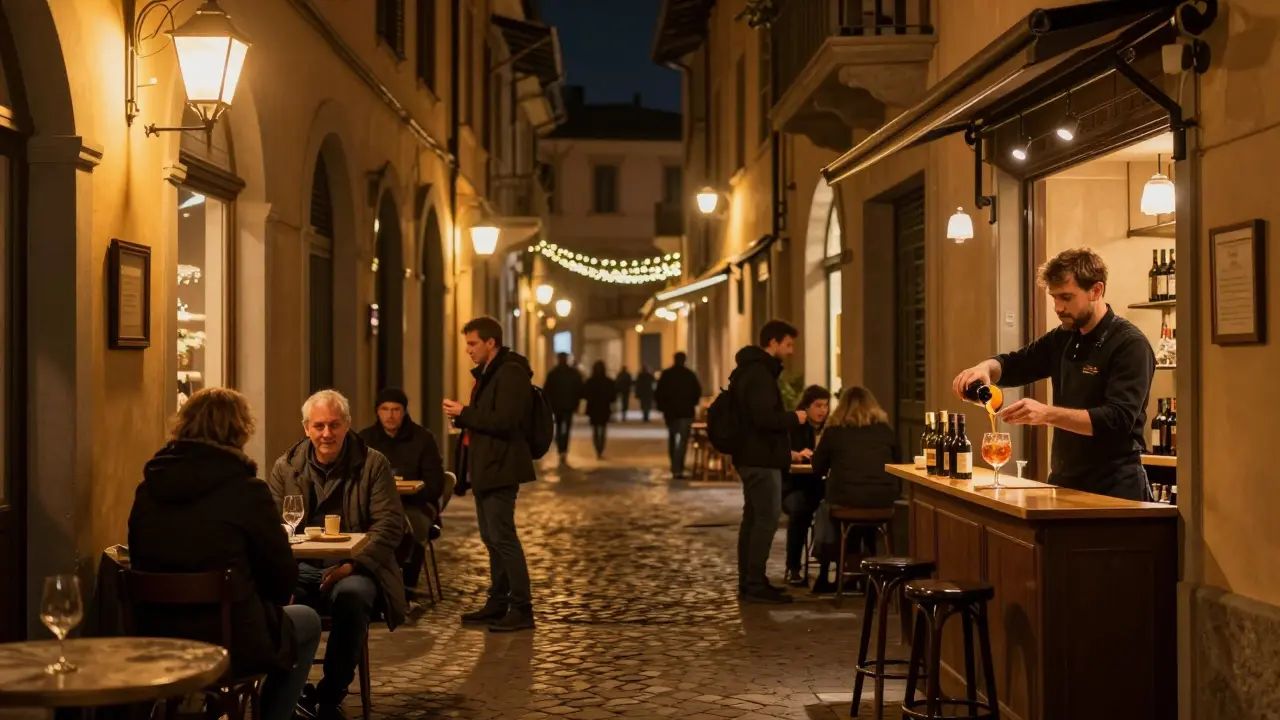
Forget the tourist traps near Duomo. If you’re looking for authentic Milanese nightlife, head to Brera. It’s the neighborhood where artists, designers, and students unwind after work. The streets are narrow, lit by warm lanterns, and lined with tiny wine bars that don’t even have signs. Try Bar Basso-it’s been around since 1982 and still serves the best Negroni in town. No menu. Just ask for the house special. They know you’re not a tourist when you don’t ask for ice.
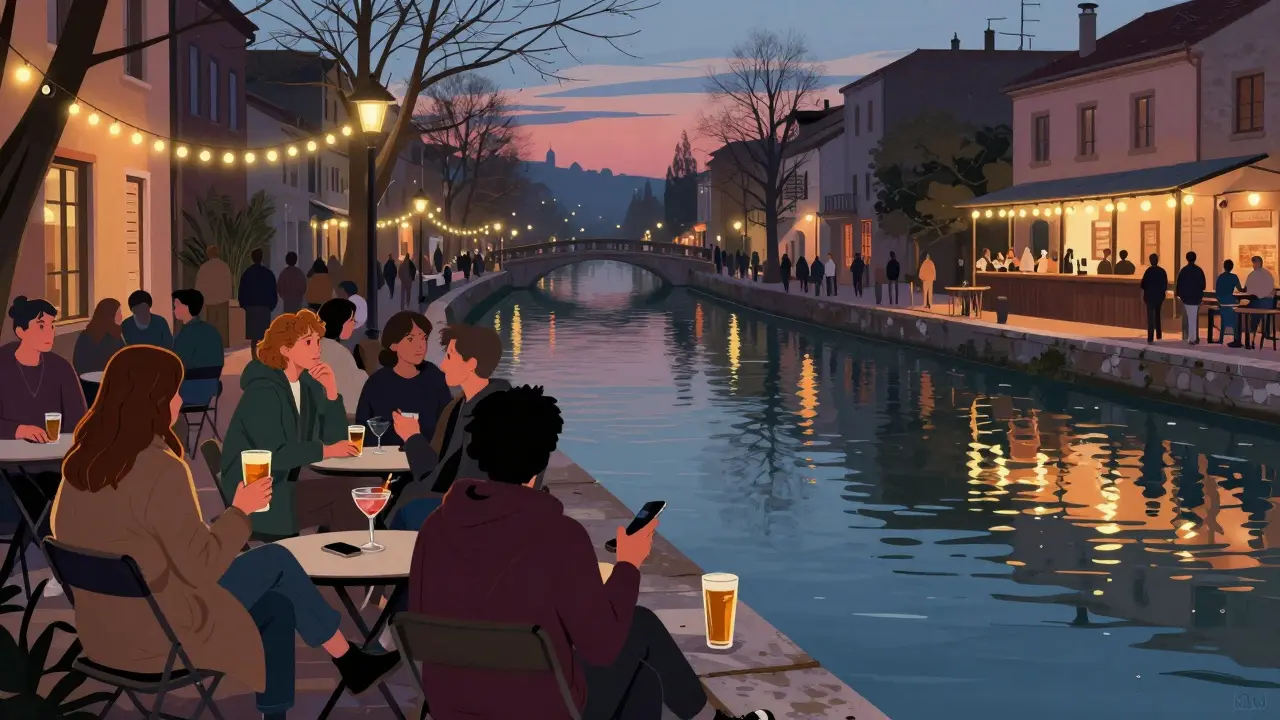
Then there’s Navigli. This is where the weekend crowd explodes. Canalside bars spill onto cobblestone sidewalks. It’s not just drinking-it’s a scene. People bring their own snacks, sit on folding chairs, and talk for hours. The music here isn’t loud enough to drown out conversation, which is exactly why locals love it. Try La Bitta for craft beer or Bar del Fico for cocktails made with seasonal fruit. You’ll see people in designer coats next to students in hoodies. That’s Milan.
Clubbing like a Milanese
If you’re here for clubs, you need to know the rules. First, dress code isn’t optional. No sneakers. No baseball caps. No hoodies. You don’t need a suit, but you do need to look like you care. Jeans? Fine. Clean, dark, no rips. Shirt? Buttoned. Shoes? Leather. If you show up looking like you just rolled out of bed, you’re getting turned away at the door.
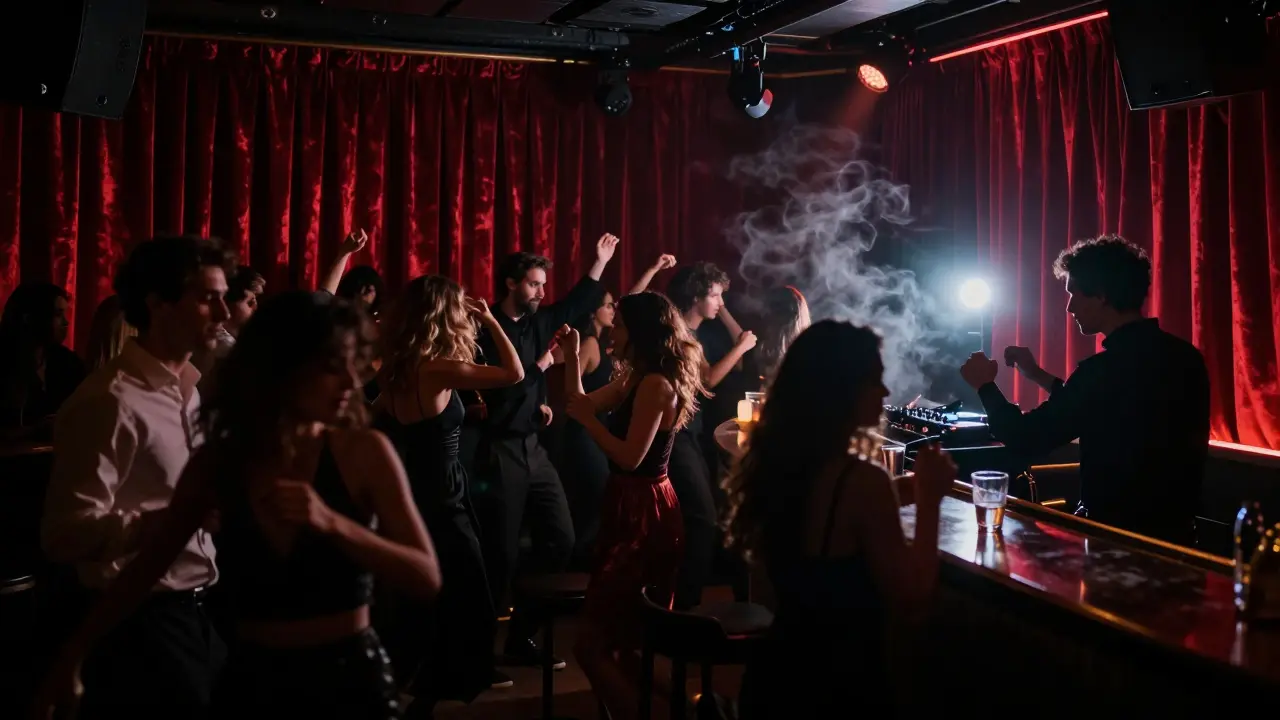
The top clubs? Armani/Privé is the place for the elite. It’s tucked inside the Armani hotel. No outside alcohol. No photos. Just velvet ropes, Italian techno, and people who don’t need to prove they’re rich. Then there’s La Scala Club-yes, named after the opera house. It’s underground, literally. You descend a narrow staircase and enter a cavernous space where bass hits your chest before you even see the DJ. The crowd? Mix of models, architects, and expats who’ve been here too long to care about trends.
For something different, try Club 10 in the Porta Romana area. It’s not fancy, but it’s real. The music is house and disco, the drinks are cheap, and the dance floor is always packed. You’ll find people here who’ve been coming since the 90s. No Instagram influencers. Just pure energy.
When to go-and when to skip
Thursday is the warm-up. Friday is the explosion. Saturday is the chaos. Sunday? That’s when the real insiders go. Some clubs stay open until 7 a.m. on Sundays, and the crowd shifts. It’s quieter, slower, more intimate. You’ll find people who’ve been dancing since Friday night, now sipping espresso and talking about art. It’s the best night to feel like you’ve found the secret.
Don’t go on Monday. Most places are closed. Tuesday? A few bars open, but it’s dead. Wednesday? Only if you’re into jazz lounges or underground poetry readings. Stick to Thursday through Sunday if you want to feel the pulse.
What to drink
Milan doesn’t do shots. It does cocktails. And not the sweet, fruity ones you get in Vegas. Here, it’s about balance. The Negroni is the city’s unofficial drink. Equal parts gin, Campari, and sweet vermouth. Served over ice with an orange peel. Order it wrong, and the bartender will give you a look.
Try an Aperol Spritz if you’re new to Italian drinks. It’s light, bitter-sweet, and perfect for sipping while watching the sunset over Navigli. But don’t order it after 9 p.m. Locals think it’s a daytime drink. For something stronger, go for a Bellini-fresh peach puree and prosecco. It’s simple, elegant, and made with real fruit, not syrup.
And if you’re feeling adventurous, ask for a Strega Sour-a local twist on the classic. Strega is a herbal liqueur made in Benevento, and when mixed with lemon and sugar, it’s unlike anything you’ve had before.
How to get around
Taxis? Expensive and slow. Uber? Available, but not reliable after midnight. The metro shuts down at 1 a.m. So what do locals do? They walk. Milan is compact. Most clubs and bars are within a 20-minute walk of each other. If you’re going from Brera to Navigli, just follow the lights. You’ll hear the music before you see the crowd.
If you’re heading farther out, use the night buses. Line N1 runs from Porta Garibaldi to Navigli. Line N2 goes from Centrale Station to Brera. They run every 30 minutes. Don’t rely on your phone for directions-many bars don’t have addresses. Just ask someone. Italians love giving directions. They’ll walk you halfway there if you look lost.
What to avoid
Don’t go to the clubs advertised on Instagram. The ones with flashy logos and influencers posing outside? They’re overpriced, crowded with tourists, and play generic EDM. You’ll pay €30 for a drink that costs €5 in a local bar.
Don’t try to haggle. Tipping isn’t expected, but leaving a euro or two on the table for good service is appreciated. Don’t ask for “American-style” service. Italians don’t do “how are you today?” with every order. They’re polite, but they’re not your friend.
And never, ever take a photo inside a club without asking. Many places have strict no-photography rules. Violate that, and you’ll be asked to leave. No warning. No second chance.
When the party ends
Milan doesn’t have 24-hour diners. But it does have trattorie that open at 4 a.m. for post-club breakfasts. Try Trattoria da Vittorio near Porta Venezia. They serve scrambled eggs with truffle, warm bread, and strong coffee. It’s the only place where you’ll see a woman in a sequined dress eating pasta at 5 a.m. with a man in a tailored coat. That’s Milan. The party ends. The night doesn’t.
By 7 a.m., the streets are quiet again. The clubs lock up. The bars clean their glasses. And the city waits for tomorrow’s fashion show, another meeting, another night. But for a few hours, it was alive. And if you were there, you know why.
What’s the best night to experience Milan’s nightlife?
Saturday is the peak, but Sunday morning is when the real insiders stay out. Clubs like La Scala Club and Club 10 stay open until 7 a.m., and the crowd becomes more relaxed, more authentic. You’ll find people who’ve been dancing for days, now sipping espresso and talking about music or art. It’s quieter, deeper, and more memorable than Friday or Saturday night.
Do I need to dress up to get into Milan clubs?
Yes. Milan clubs enforce a strict dress code. No sneakers, no hoodies, no baseball caps. Clean dark jeans, a buttoned shirt, and leather shoes are the minimum. You don’t need a suit, but you do need to look intentional. If you show up looking casual, you’ll be turned away-even if you’re famous. The city takes style seriously.
Are there any clubs that don’t charge cover?
Most clubs charge between €10 and €25, especially on weekends. But some smaller venues like Club 10 or local bars in Brera have no cover charge. They make money on drinks, not entry. If you’re on a budget, head to Navigli after 10 p.m.-many canalside bars don’t charge to enter, and the vibe is just as good.
Is it safe to walk around Milan at night?
Generally, yes. Areas like Brera, Navigli, and Porta Romana are well-lit and crowded with people until the early hours. Avoid deserted streets near the train station after midnight. Stick to main roads and follow the crowd. Most locals walk home alone at 3 a.m. without issue. Just stay aware-you’re in a big city, not a resort.
Can I find English-speaking bartenders in Milan?
In tourist-heavy areas, yes. But in the best spots-like Bar Basso or La Bitta-you’ll often find bartenders who speak little or no English. That’s part of the charm. Learn a few Italian phrases: "Un Negroni, per favore," "Quanto costa?" They’ll appreciate the effort. And if you’re patient, they’ll make you the best drink of your life.