
The Best Nightlife in Milan: A Guide to the City's Hottest Party Spots
 Dec, 28 2025
Millions of people visit Milan every year for fashion, food, and history-but the real magic happens after dark. This isn’t just a city that sleeps early. By 11 p.m., the streets hum with energy, music spills from hidden courtyards, and the crowd shifts from dinner jackets to neon lights. If you’re looking for where the locals go when the boutiques close, you need more than a tourist map. You need to know where the beats drop, who’s spinning, and which spots still feel real after all the hype.
Brera: Where the Night Starts Quietly
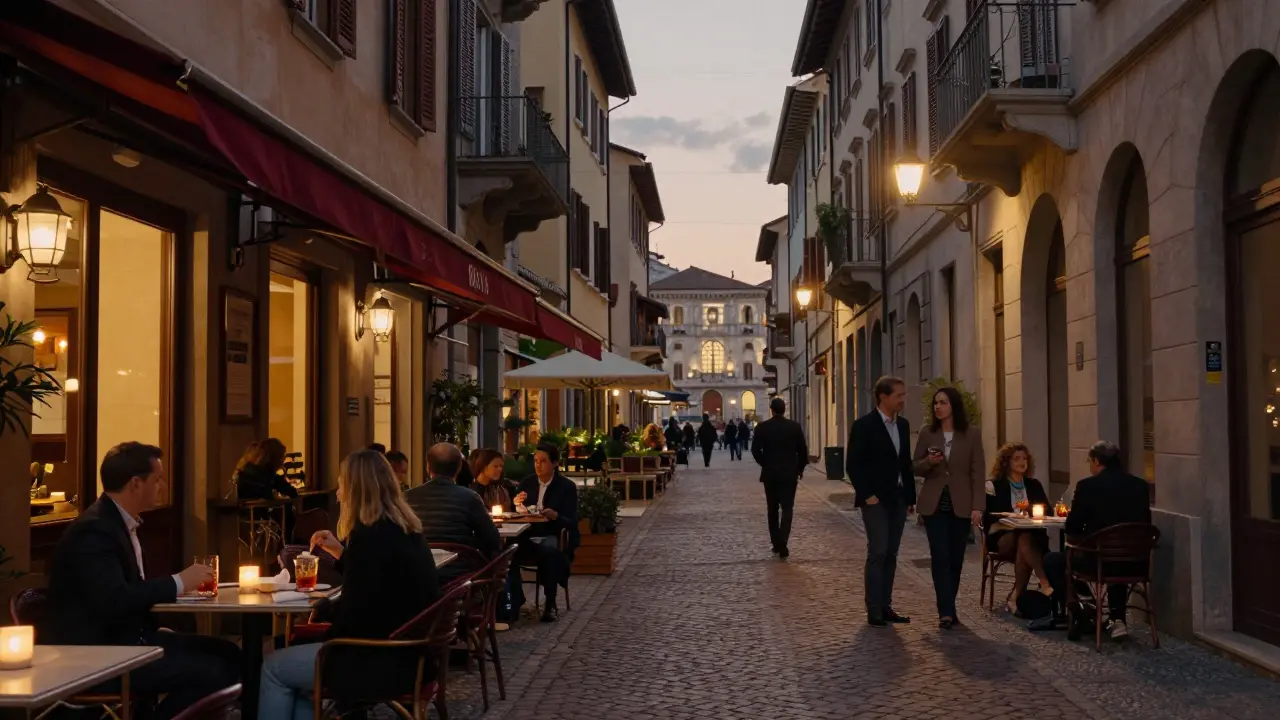
Brera isn’t the first place you’d think of for a wild night out. Narrow cobblestone streets, art galleries, and candlelit trattorias make it feel like a scene from a movie. But come Friday or Saturday, the vibe flips. The real secret? The wine bars that turn into cocktail lounges after 10 p.m. Bar Basso has been around since 1954 and still serves the original Negroni Sbagliato-the drink that accidentally became a classic. It’s not loud, it’s not flashy, but it’s where Milanese professionals unwind after work. If you want to start slow, this is your spot. Order a drink at the bar, watch the city lights reflect off the Duomo in the distance, and let the night unfold.Navigli: The Canals That Never Sleep
The Navigli district is where Milan turns into a street party. Two canals lined with bars, live music, and outdoor seating stretch for over a kilometer. On weekends, the sidewalks fill with people holding Aperol spritzes, dancing to acoustic sets, and snapping photos under string lights. La Bitta is the most popular, but don’t miss Il Gatto Nero-a tiny place with a hidden terrace and DJs spinning indie rock and deep house. The vibe here is casual, loud, and unapologetically fun. You’ll find students, artists, and tourists all sharing the same space. It’s the only place in Milan where you can grab a pizza slice at 2 a.m. and still get a good table.Porta Venezia: The Underground Scene
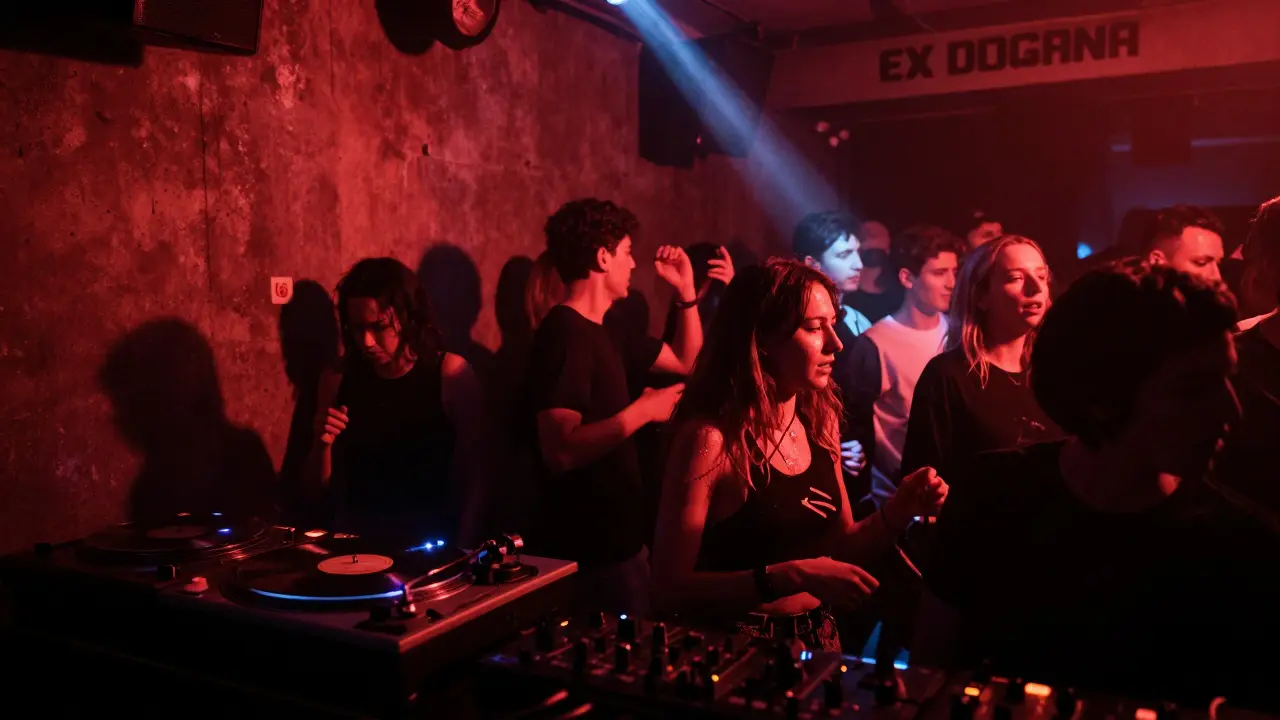
If you’re looking for something different-something raw, experimental, and unpolished-head to Porta Venezia. This neighborhood is where Milan’s alternative crowd thrives. Clubs here don’t care about dress codes. They care about sound. Ex Dogana is a converted industrial space with a basement that pulses with techno and house. The walls are bare, the lighting is red, and the crowd is mixed: designers from nearby studios, Berlin expats, and local DJs testing new tracks. It doesn’t open until midnight, and it rarely lets anyone leave before 5 a.m. There’s no VIP section, no bottle service, and no pretense. Just music, sweat, and a feeling that you’re part of something real.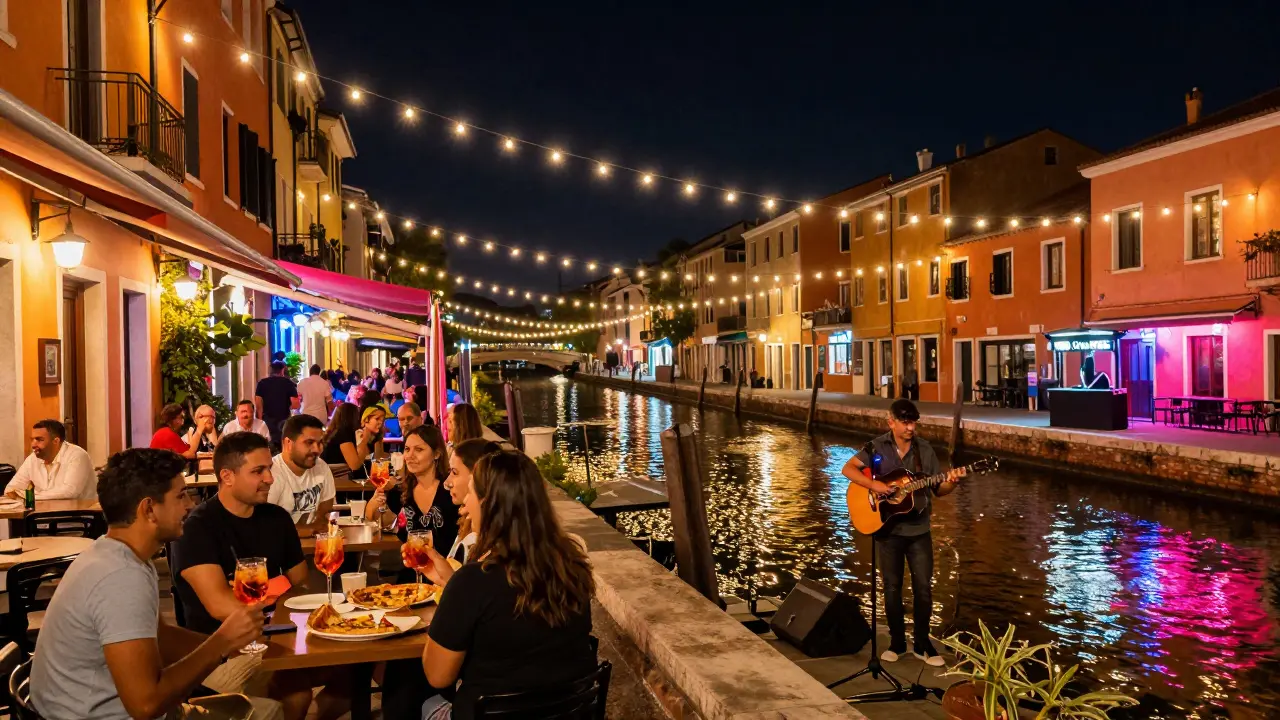
Corso Como: Glamour with a Pulse
Corso Como is Milan’s answer to Soho or Saint-Germain. It’s sleek, stylish, and always full of people who know exactly where they’re going. The centerpiece is Corso Como 10, a multi-level venue that’s part bar, part gallery, part nightclub. By 1 a.m., the ground floor turns into a dance floor, with DJs spinning everything from disco revival to bass-heavy electronic. The crowd here is fashion-forward-you’ll see models, influencers, and designers who’ve just left a runway show. It’s expensive, but worth it if you want to see Milan’s elite in their element. The terrace on the top floor offers one of the best city views, especially when the lights of the Galleria Vittorio Emanuele II glow below.Tonale: The Secret Club No One Talks About
You won’t find Tonale on any tourist list. You won’t even find it on Google Maps unless you know the exact address. It’s tucked behind a nondescript door on Via San Giovanni sul Muro. No sign. No bouncer. Just a single red light above the entrance. Inside, it’s all dim lighting, velvet couches, and vinyl spinning from a 1970s turntable. The music? Rare soul, jazz-funk, and obscure Italian disco from the 80s. The crowd? Mostly locals in their 30s and 40s who’ve been coming here for years. No one takes photos. No one shouts over the music. It’s quiet, intimate, and feels like stepping into someone’s private collection. You need a recommendation to get in. Ask at Bar Basso or La Bitta-they’ll point you in the right direction.What to Expect: Hours, Dress Codes, and Prices
Milan’s nightlife doesn’t follow the same rules as other European cities. Here’s what actually works:- Start late-Most clubs don’t fill up until after midnight. Bars open at 7 p.m., but the real action begins at 11 p.m.
- Dress code-Brera and Corso Como expect smart casual. No flip-flops, no hoodies. Porta Venezia and Tonale are relaxed-jeans and a good shirt are fine.
- Prices-A cocktail in Brera costs €12-€15. In Corso Como, it’s €18-€25. At Tonale, you pay €10 for a drink and a vibe you won’t find anywhere else.
- Entry fees-Most places don’t charge cover before midnight. After that, expect €10-€20, especially on weekends.
Pro tip: If you’re staying in a hotel near the Duomo, walk to Navigli or Brera. Uber and taxis are expensive and hard to find after 2 a.m. The metro runs until 1:30 a.m. on weekends, but it’s faster-and more fun-to stroll.
When to Go: Seasonal Shifts
Milan’s nightlife changes with the seasons. In summer (June-August), the canals in Navigli become open-air clubs. Pop-up bars appear on rooftops, and outdoor concerts happen every Friday. In winter (December-February), the scene moves indoors. Clubs like Ex Dogana and Corso Como 10 stay packed, but the energy shifts-cozier, warmer, more intimate. December is quiet until the last week, when the city explodes for New Year’s Eve. That night, the Duomo square fills with thousands. Fireworks light up the sky, and the entire city becomes one giant party. It’s not for everyone-but if you’re there, it’s unforgettable.What to Avoid
Not every place with a neon sign is worth your time. Stay away from the tourist traps near the Duomo and Galleria. Places like Harry’s Bar or La Terrazza are overpriced, crowded with visitors, and play the same Top 40 hits every night. They’re fine for a quick drink, but not for the real Milan night. Also, don’t expect to walk into a club without a plan. Most of the best spots don’t take reservations, but they do have guest lists. If you know someone local, ask them to add you. If not, show up early-before 1 a.m.-and you’ll get in without hassle.Final Tip: The Milanese Way
Milanese nightlife isn’t about chasing the loudest beat or the biggest crowd. It’s about the right moment. The perfect cocktail. The friend who says, “Come with me-I know a place.” It’s about discovering something you didn’t know existed. You won’t find that on Instagram. You’ll find it by wandering, asking questions, and letting the night lead you.What time do clubs in Milan usually open?
Most clubs in Milan don’t start filling up until after midnight. Bars open around 7 p.m., but the real energy kicks in between 11 p.m. and 1 a.m. If you show up before midnight, you’ll mostly find locals having drinks and chatting. The dance floors fill up later, especially on weekends.
Is there a dress code for nightlife in Milan?
Yes, but it varies by venue. In Brera and Corso Como, smart casual is expected-no shorts, no sneakers, no hoodies. In Porta Venezia and underground spots like Ex Dogana, jeans and a nice shirt are fine. Tonale doesn’t care what you wear as long as you’re respectful. When in doubt, dress a little sharper than you think you need to.
Are there any free entry nights in Milan?
Most clubs charge cover after midnight, especially on weekends. But some places like La Bitta in Navigli and smaller bars in Porta Venezia offer free entry before 1 a.m. on weekdays. Tonale never charges cover, but you need a recommendation to get in. Check Instagram pages of venues for weekly events-some host free DJ sets on Tuesdays or Wednesdays.
Can I find English-speaking staff in Milan clubs?
In tourist-heavy areas like Corso Como or Navigli, yes-most staff speak English. But in underground spots like Tonale or Ex Dogana, staff are usually locals who speak Italian. That’s part of the charm. You don’t need to speak Italian to enjoy the night, but learning a few phrases like "Un cocktail, per favore" goes a long way.
Is it safe to walk around Milan at night?
Milan is generally safe at night, especially in popular nightlife districts like Brera, Navigli, and Porta Venezia. Stick to well-lit streets and avoid isolated areas near the train station after 2 a.m. Most people walk between bars and clubs-it’s part of the experience. Just keep your belongings close and avoid flashing expensive items.
If you’re planning your next night out, skip the guidebooks. Ask someone who lives here. Walk a little further than you think you should. And when you find that quiet corner with the best drink and the right music-you’ll know you’ve found Milan’s real nightlife.