
The Best Nightlife in Milan: A Guide to the City's Most Exciting Spots
 Dec, 8 2025
Milan doesn’t just sleep when the sun goes down. While it’s known for fashion and design, the city’s nightlife is where its real energy comes alive-raw, stylish, and never predictable. You won’t find endless chain bars or tourist traps here. Instead, you’ll find hidden courtyards with live jazz, rooftop lounges overlooking the Duomo, and underground clubs where DJs spin until sunrise. This isn’t just partying. It’s a cultural experience.
Start in Navigli: Canals, Cocktails, and Local Vibe
Head to Navigli on a Friday or Saturday night, and you’ll see why locals call it the heart of Milan’s after-hours scene. The canals are lined with lantern-lit terraces, each one packed with people sipping Aperol spritzes or craft gin cocktails. This isn’t a place to rush. It’s meant for lingering-chatting with friends, listening to acoustic sets from street musicians, or grabbing a plate of cicchetti from one of the tiny bacari.
Try La Bicocca for a no-frills, authentic vibe. It’s unmarked, tucked between two bridges, and only locals know the password to get in. No sign. No website. Just a wooden door and a friendly nod. Inside, you’ll find vinyl spinning Italian disco classics and a crowd that’s more interested in conversation than selfies. The beer is cold, the prices are fair, and the atmosphere? Pure Milanese.
Brera: Where Art Meets After-Dark
If Navigli is the soul of Milan’s nightlife, Brera is its heartbeat. This neighborhood feels like a European film set-cobblestone streets, ivy-covered buildings, and galleries still open past 10 p.m. But the real magic happens after midnight.
Bar Basso is a legend. Open since 1954, it’s where the Negroni Sbagliato was invented. You’ll find designers, musicians, and old-school Milanese aristocrats all sipping the same drink-bitter, sweet, and bubbly. The bar doesn’t change. The music doesn’t change. And that’s the point. It’s timeless.
For something newer, head to Il Baretto. It’s a speakeasy-style bar hidden behind a bookshelf. You need to know the code (ask at the door), and once you’re in, you’ll be served cocktails made with house-infused herbs and Italian amari. The vibe is intimate, quiet, and a little mysterious. Perfect if you want to end the night with a thoughtful drink instead of a loud beat.
Porta Venezia: The City’s Most Diverse Nightlife
Forget the polished image of Milan. Porta Venezia is where the real, unfiltered city lives. This district is home to LGBTQ+ bars, Afrobeat clubs, vegan cafes that turn into late-night hangouts, and underground techno spots that don’t open until 1 a.m.
Teatro del Sale is a queer-friendly space that hosts drag shows, live poetry, and experimental music. It’s not a club. It’s a community. The crowd here is older, wiser, and more inclusive than anywhere else in the city. You’ll see couples in their 60s dancing next to college students in neon jackets.
For dance lovers, La Bussola is the spot. It’s a converted warehouse with no fancy lighting, no VIP section, and no dress code. Just a massive sound system, a wall of speakers, and a DJ who plays everything from Detroit techno to Italian house. People come here to lose themselves. And they do.
Corso Como: Glamour Without the Price Tag
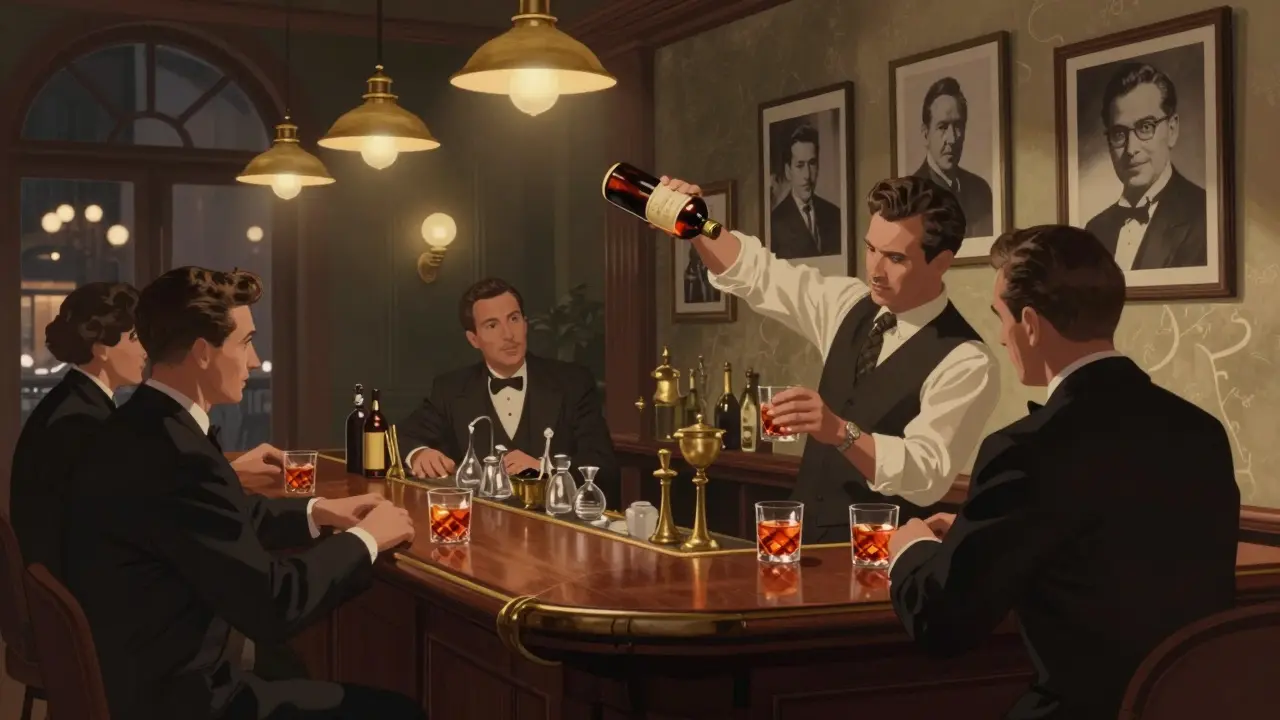
Corso Como is where Milan’s elite go to be seen-but you don’t need to be rich to enjoy it. The area’s nightlife revolves around Corso Como 10, a cultural hub that’s part gallery, part bar, part restaurant. By night, it turns into a stylish lounge where designers, artists, and international visitors mix over cocktails served in hand-blown glass.
The key? Go early. Arrive at 9 p.m. and you’ll get a seat by the window. Stay past midnight, and you’ll be standing shoulder to shoulder with models and influencers. The music is curated-think slow electronic, jazz remixes, and rare Italian pop from the ’80s. It’s not loud. It’s not crowded. But it’s always buzzing.
Underground Clubs: Where the Real Nightlife Lives
If you’re looking for something that feels like a secret, skip the tourist-heavy spots and head to the real underground scene. These places don’t advertise. They don’t have Instagram pages. They’re found through word of mouth.
Ex Dogana is a former customs warehouse turned industrial club. It’s located near Lambrate, a gritty, up-and-coming neighborhood. The sound system is built by engineers who’ve worked with techno legends. The walls are concrete. The floor is sticky. And the crowd? Pure energy. This is where you’ll hear DJs from Berlin, Tokyo, and Buenos Aires play sets that last until 7 a.m.
Another hidden gem: La Casa della Musica. It’s only open on weekends, and you need to RSVP via WhatsApp. Once inside, you’ll find a dimly lit room with a single DJ booth, a bar made of reclaimed wood, and a crowd that doesn’t care who you are. They care about the music. And the music? It’s always moving.

What to Know Before You Go
Milan’s nightlife isn’t like London or Berlin. It’s slower. More intentional. You won’t find 24-hour clubs. Most places close by 3 a.m. and don’t open until 10 p.m. Dress well-yes, even if you’re going to a warehouse club. Italians notice what you wear. No flip-flops. No baseball caps. Clean lines, dark colors, and confidence matter.
Don’t expect to walk in anywhere without a reservation after 10 p.m. on weekends. Even the casual spots like Navigli bars fill up fast. Book ahead if you’re targeting a specific place. And always carry cash. Many smaller venues don’t take cards.
Public transport runs until 1:30 a.m. After that, you’ll need a taxi or rideshare. Uber is available, but local services like Free Now or Beat are cheaper and more reliable.
When to Go
Midweek nights (Tuesday-Thursday) are quieter, cheaper, and way more authentic. You’ll get better service, shorter lines, and the chance to talk to the bartenders. Weekends are packed, especially Friday and Saturday. If you’re visiting for a weekend, plan ahead. Don’t just show up hoping for a spot.
Summer (June-August) is when Milan truly comes alive. Outdoor terraces, pop-up clubs on rooftops, and open-air cinema nights turn the city into a giant party. Winter nights are cozier-think candlelit bars, mulled wine, and intimate jazz sessions.
Final Tip: Let the City Lead You
The best nights in Milan aren’t planned. They happen when you wander. Walk down a side street. Follow the music. Ask a local where they go after work. You’ll find places no guidebook mentions. That’s the real Milan nightlife. Not the Instagram posts. Not the fancy labels. Just people, music, and moments that stick with you long after the last drink is gone.
What time do clubs in Milan usually close?
Most clubs in Milan close between 2 a.m. and 3 a.m. Some underground spots, especially in areas like Lambrate or Porta Venezia, might stay open until 4 a.m. or later on weekends, but it’s rare. Public transport stops running at 1:30 a.m., so plan your ride home ahead of time.
Is Milan nightlife expensive?
It depends. In Navigli or Corso Como, a cocktail can cost €12-€18. In underground clubs like Ex Dogana or La Casa della Musica, you’ll pay €8-€12 for a drink. Cover charges are rare outside tourist hotspots. Many bars don’t charge entry at all. The key is knowing where to go-locals know the best deals.
Do I need to dress up for Milan nightlife?
Yes, even in casual spots. Milan is stylish by default. No flip-flops, no sportswear, no hats indoors. Clean jeans, a nice shirt, or a simple dress works for most places. In upscale bars like Bar Basso or Corso Como 10, a jacket or blazer is appreciated. It’s not about being rich-it’s about showing respect for the culture.
Are there any LGBTQ+ friendly spots in Milan?
Absolutely. Porta Venezia is the epicenter. Teatro del Sale is a must-visit for drag shows and live performances. Bar Basso and La Bussola are also welcoming. Milan has one of Italy’s most active LGBTQ+ scenes, and it’s open to everyone. You’ll feel safe and included.
Can I find vegan or vegetarian options in Milan nightlife spots?
Yes. Many bars in Porta Venezia and Navigli offer vegan snacks and cocktails. Places like La Cucina del Vino and Il Vegetariano serve plant-based tapas and mocktails. Even traditional spots now have at least one vegan option. Milan is one of the most vegan-friendly cities in Europe.
Is it safe to walk around Milan at night?
Generally, yes. Areas like Navigli, Brera, and Corso Como are well-lit and busy. Avoid isolated streets near the train station after midnight. Stick to main roads and popular neighborhoods. Pickpocketing is rare compared to Rome or Naples, but always keep your bag closed and your phone secure.
If you’re visiting Milan for the first time, don’t just follow the crowd. Ask someone who lives here where they go after work. That’s where the real magic is.