
The Best Nightlife in Milan: Bars, Clubs, and Late-Night Eats You Can't Miss
 Dec, 29 2025
When the sun sets over Milan, the city doesn’t sleep-it switches gears. The same streets that buzz with designers and shoppers by day transform into a playground for music, cocktails, and conversation long after midnight. Forget the clichés. This isn’t just about fancy clubs and expensive bottles. Milan’s nightlife is layered: hidden speakeasies, rooftop lounges with skyline views, underground jazz spots, and trattorias that serve pasta until 3 a.m. You don’t just go out here-you experience a rhythm only locals truly know.
Where the Locals Go After Dinner
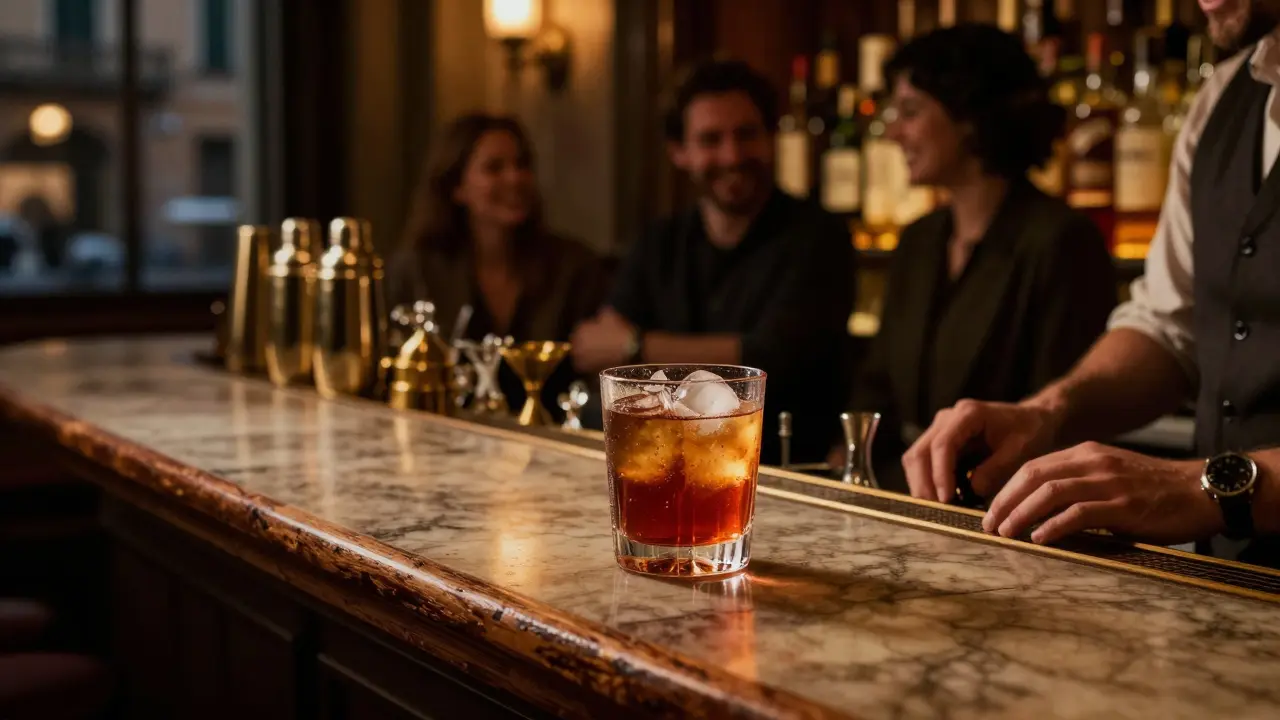
Most tourists think nightlife means clubs. But in Milan, the real action starts after dinner. Around 10 p.m., the city’s best bars fill up-not with tourists in designer outfits, but with lawyers, artists, and fashion insiders sipping Aperol spritzes or craft gin tonics. The key? Skip the flashy names near Piazza Duomo. Head to Bar Basso in the Brera district. This is where the Americano was invented in 1925, and it still serves the perfect version-bitter, bright, and balanced. The bar stools are worn, the lighting is dim, and the vibe is timeless. No music. Just clinking glasses and low laughter.
Another favorite? La Scala Lounge, tucked behind the opera house. It’s not a club. It’s a lounge with velvet booths, vintage vinyl spinning, and a cocktail menu that changes weekly. The bartender knows your name by the third visit. It’s the kind of place where you end up talking to a Milanese architect who just finished a 12-hour design review-and he invites you to join him for midnight pizza.
Clubs That Actually Feel Alive
If you’re after beats, Milan’s club scene is more about underground energy than neon lights. La Scala (yes, same name, different place) is the city’s most legendary club. It’s not in a fancy building. It’s in a converted warehouse near Porta Genova, with no sign outside. You need a friend’s recommendation or a WhatsApp group invite to get in. The music? Deep house, techno, and experimental electronica. The crowd? Diverse, quiet until the bass drops, then completely lost in the rhythm. Doors open at midnight. By 2 a.m., you’re standing shoulder to shoulder with people who’ve been dancing since last weekend.
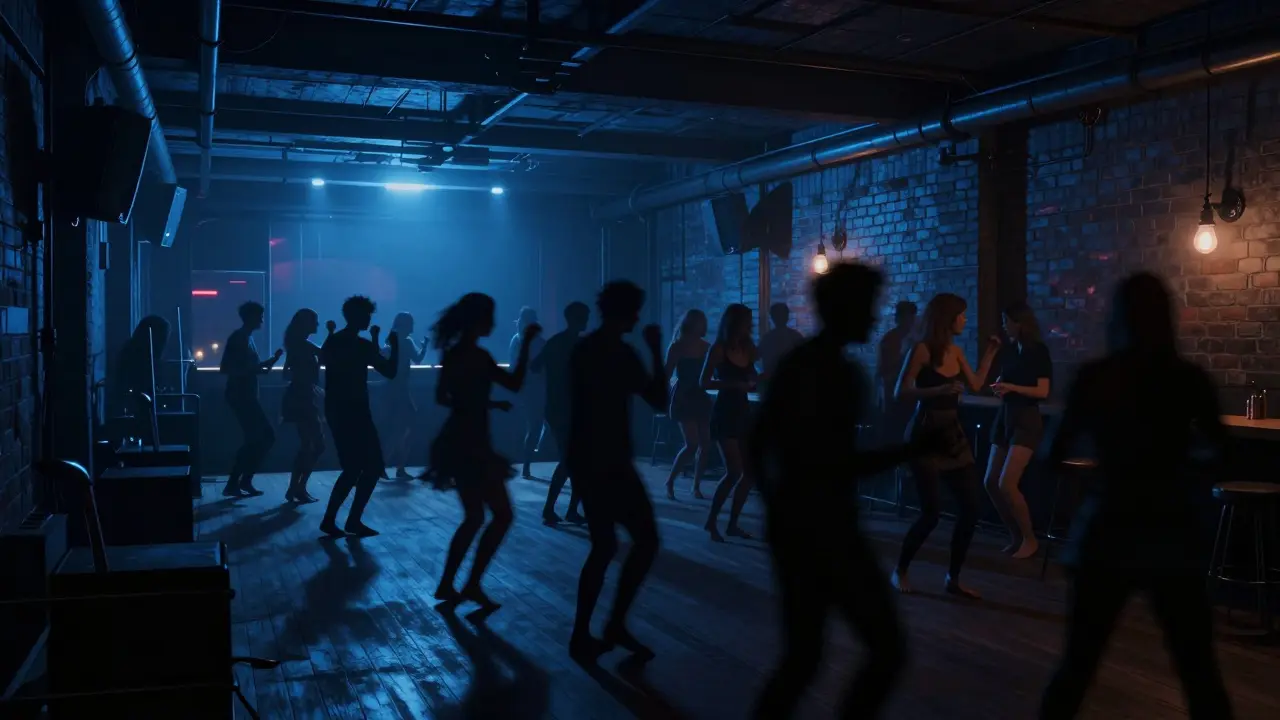
For something more polished but still authentic, try Magazzini Generali. It’s a cultural space with multiple rooms: one for live jazz, another for indie rock, and a third for DJ sets that last until dawn. The lighting is moody, the sound system is studio-grade, and the drinks are reasonably priced. You won’t find bottle service here. You’ll find people dancing barefoot on wooden floors, laughing, and forgetting the time.
Where to Eat After the Club
Most cities shut down after midnight. Milan doesn’t. There’s a whole culture of late-night eats that even many locals don’t know about. Trattoria Milanese on Via Solferino stays open until 4 a.m. on weekends. Order the ossobuco with saffron risotto, and they’ll bring it out warm, even if you show up at 2:30 a.m. The waiters don’t rush you. They know you’re not leaving until you’ve had your fill.
For something quicker but just as good, head to Il Baretto in the Navigli district. It’s a tiny sandwich shop that turns into a late-night hotspot. Their truffle panini is legendary. So is the garlic bread with burrata. You’ll stand at the counter, eat with your hands, and watch the city slow down around you.
Hidden Gems and Secret Spots
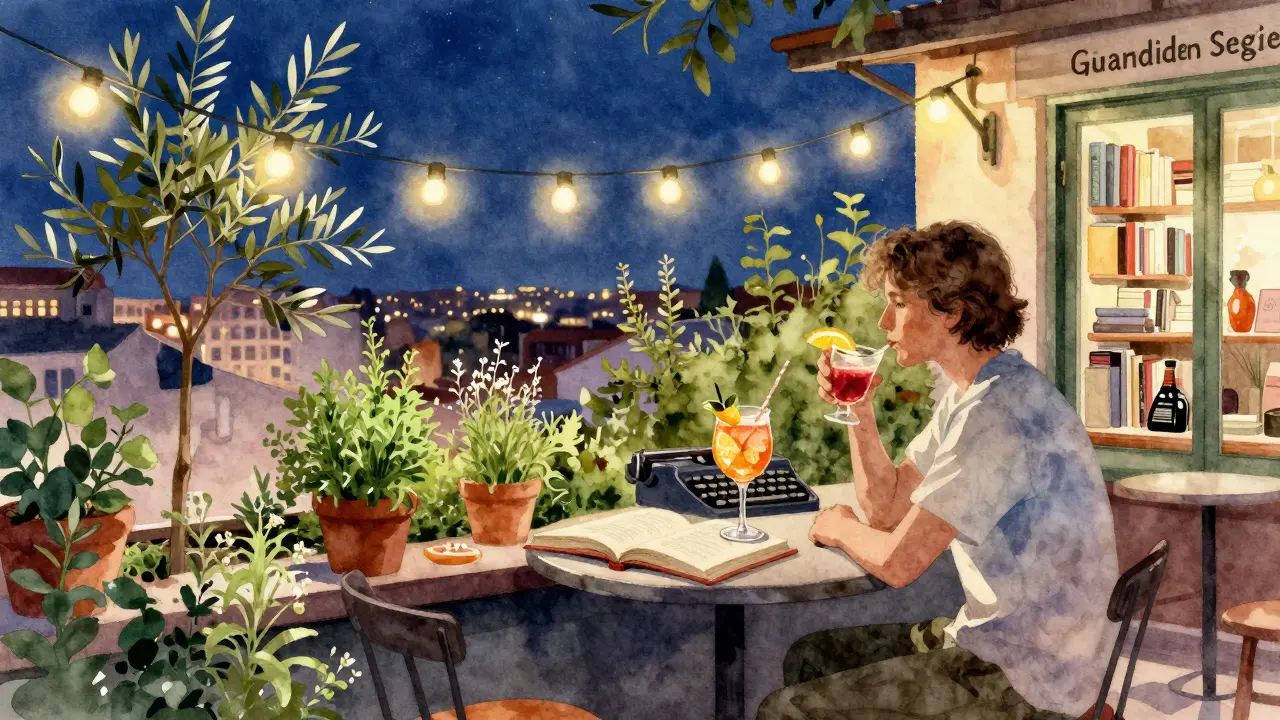
Some of the best nights in Milan happen where you least expect them. Giardino Segreto is a rooftop garden bar above a bookshop in the Porta Venezia neighborhood. You climb a narrow staircase, open a hidden door, and suddenly you’re under string lights with a view of the city’s skyline. No menu. Just ask the bartender what’s fresh. They’ll make you something with local herbs, citrus, and a splash of amaro. It’s quiet. Intimate. Perfect for a slow night.
Then there’s Bar della Musica, a jazz bar hidden in a basement under a tailor’s shop. No website. No Instagram. Just a small sign with a saxophone. The owner, Franco, has been playing trumpet here for 40 years. He doesn’t perform every night-but when he does, the room fills with people who’ve traveled just to hear him play. Bring cash. No cards. And don’t talk during the set.
What to Wear (And What Not To)
Milan is stylish, but you don’t need to look like a runway model to get in. The rule? Smart casual. A clean pair of dark jeans, a button-down shirt, and leather shoes work everywhere. Avoid sneakers, hoodies, or flip-flops. Even in the underground clubs, people dress with intention. You’re not there to impress. You’re there to blend in.
That said, some places have stricter rules. Magazzini Generali and La Scala don’t allow sportswear. Bar Basso doesn’t care what you wear-but if you show up in shorts, you’ll feel out of place. The city rewards effort, not extravagance.
When to Go and How to Navigate
The best nights start late. Bars fill up between 10 p.m. and midnight. Clubs don’t really get going until 1 a.m. and stay loud until 5 a.m. Public transport shuts down around 1:30 a.m., so plan ahead. Taxis are expensive. Uber is available but often delayed. The best move? Walk. Milan’s center is compact. Most hotspots are within a 20-minute stroll of each other.
Friday and Saturday are packed. If you want a real local vibe, go on a Thursday. The crowds are thinner, the drinks are cheaper, and the energy is more relaxed. Sunday nights are surprisingly alive too-especially in Navigli, where people unwind with aperitivo and live acoustic sets.
What to Avoid
Don’t fall for the tourist traps near the Duomo. Those places charge €20 for a drink that costs €6 elsewhere. They play top 40 hits on loop and serve lukewarm cocktails. You’re paying for the view, not the experience.
Also, don’t assume everyone speaks English. Learn two phrases: “Un aperitivo, per favore” and “Quanto costa?” Most bartenders will appreciate the effort-and might even give you a free snack.
And skip the clubs that advertise on Instagram with models posing by bottle service. Those are designed for visitors with big budgets and little taste. The real Milan nightlife isn’t for sale. It’s for living.
Final Tip: The Milanese Nighttime Code
There’s an unspoken rule here: the night belongs to those who stay late, not those who show up early. You don’t rush. You linger. You sip slowly. You talk more than you drink. You let the city guide you.
Some nights, you’ll end up in a bar you didn’t plan for. You’ll meet someone who tells you about a secret rooftop in the Brera district. You’ll be invited to a dinner that starts at 1 a.m. and ends at sunrise. That’s Milan. Not a checklist. Not a photo op. A feeling.
What’s the best time to visit Milan for nightlife?
Late spring through early fall (May to September) is ideal. The weather is warm, outdoor terraces are open, and festivals like Milano Design Week and the Fashion Week after-parties bring extra energy. But winter nights in Milan have their own charm-cozy bars, warm cocktails, and fewer crowds. December and January are surprisingly lively, especially around New Year’s.
Is Milan nightlife expensive?
It can be, but it doesn’t have to be. Aperitivo at a local bar costs €8-€12 and includes unlimited snacks. Drinks at underground clubs are €8-€10. Tourist spots charge €15-€25 for the same drink. Stick to places locals frequent, and you’ll save money while getting a better experience.
Are there any age restrictions for clubs in Milan?
Most clubs require ID and only allow entry to those 18 and older. Some upscale or late-night venues, especially those serving alcohol past midnight, may enforce a 21+ policy. Always carry a valid passport or EU ID card-bouncers check often.
Can I get into clubs without a reservation?
Yes, for most places. Popular clubs like La Scala and Magazzini Generali rarely require reservations, but lines form on weekends. Arrive before midnight to avoid waiting. Smaller, hidden spots like Bar della Musica or Giardino Segreto don’t even have doors with bouncers-you just walk in.
What’s the difference between aperitivo and happy hour?
Aperitivo is Milan’s version of happy hour-but it’s more than a drink. It’s a ritual. Between 6 p.m. and 9 p.m., bars offer free snacks with your drink: olives, cheese, sandwiches, even hot pasta. It’s not a discount. It’s a culture. Happy hour in other cities is about cheap drinks. Aperitivo is about slowing down and savoring the evening.
Is Milan nightlife safe at night?
Generally, yes. The city center, especially around Brera, Navigli, and Porta Genova, is well-lit and patrolled. Avoid isolated alleys after 2 a.m., and don’t flash valuables. Pickpocketing is rare but possible in crowded areas. Stick to well-known neighborhoods, and you’ll be fine.
If you’re looking for a night that sticks with you-not just a party, but a memory-Milan delivers. It’s not about the loudest music or the most expensive cocktails. It’s about the quiet moments: the clink of a glass at 3 a.m., the smell of fresh bread from a late-night bakery, the stranger who becomes a friend because you both stayed too long. That’s the real Milan night.