
The Best Nightlife in Milan: Where to Go After Dark in 2025
 Dec, 1 2025
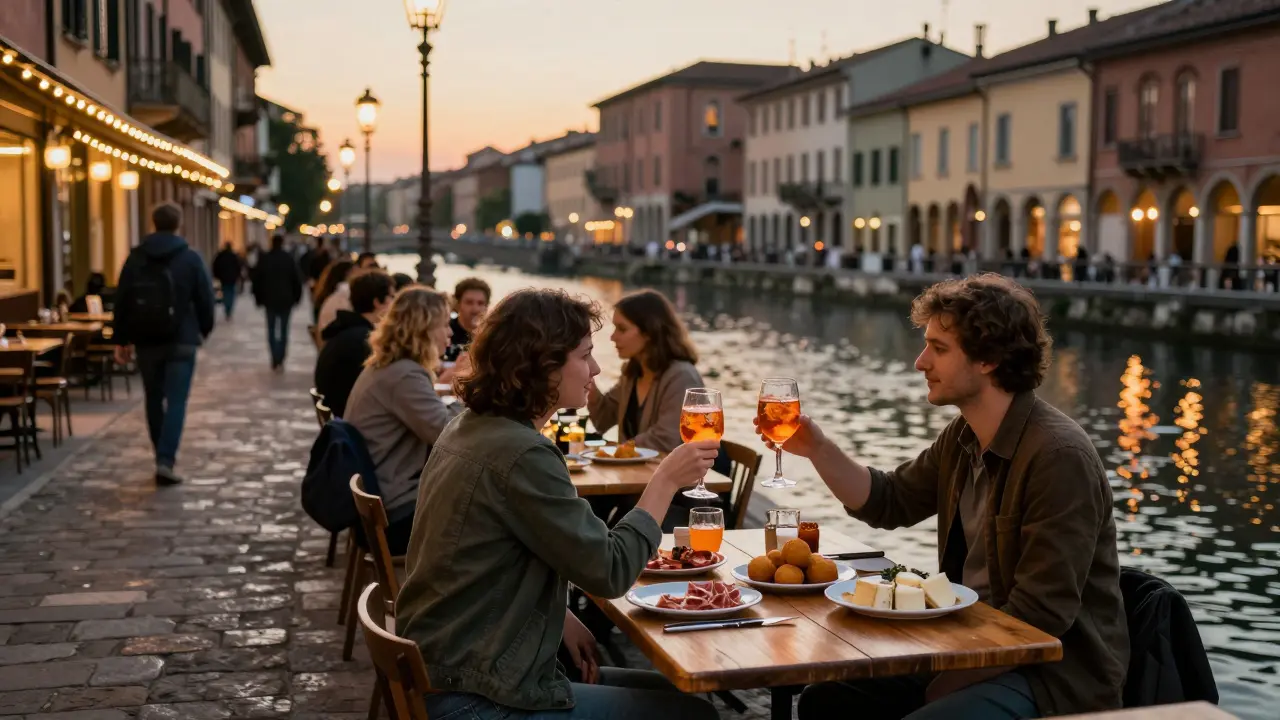
When the sun sets in Milan, the city doesn’t sleep-it switches modes. By 9 p.m., the streets around Brera and Navigli are buzzing with people sipping Aperol spritzes, laughing over small plates, and moving from one spot to the next. This isn’t just a party scene. It’s a ritual. A cultural rhythm that’s been fine-tuned over decades. If you think Milan is all about fashion shows and quiet cafes, you’re missing half the story.
Start with the Aperitivo Tradition
The real secret to Milan’s nightlife? It doesn’t start with a club. It starts with an aperitivo. Between 6 p.m. and 9 p.m., bars across the city offer drink-and-snack combos that turn a simple cocktail into a full meal. You pay €12-€18, get a drink, and help yourself to a buffet of mini sandwiches, arancini, cured meats, and fresh cheeses. It’s not a gimmick-it’s a way of life.
Head to Bar Basso in the Porta Venezia district. This is where the Negroni Sbagliato was invented in the 1970s. Order one. Watch the bartender shake it with the exact same motion they’ve used for 50 years. The crowd here is a mix of locals in tailored coats and tourists trying not to look lost. Don’t rush. Sit at the bar. Let the energy build.
For something more modern, try La Bicocca in the Navigli area. It’s not as famous, but the food is better, the music is quieter, and the vibe feels like you’ve stumbled into a friend’s living room. They serve homemade focaccia with truffle honey and local olives. You’ll leave full, happy, and ready for the next phase.
Where the Locals Go After 11 p.m.
By the time most tourists are calling it a night, Milan’s real nightlife is just waking up. The clubs here don’t open until midnight. They don’t need to. The city’s energy moves slowly, deliberately.
Armani/Privé inside the Armani Hotel on Via Manzoni is the closest thing Milan has to a celebrity hotspot. It’s not loud. It’s not flashy. It’s sleek, dim, and quiet. The crowd is mostly Italian models, designers, and old-money families. No cover charge if you’re dressed right-black suit, no logo. But don’t expect to dance. This is a place to be seen, not to move.
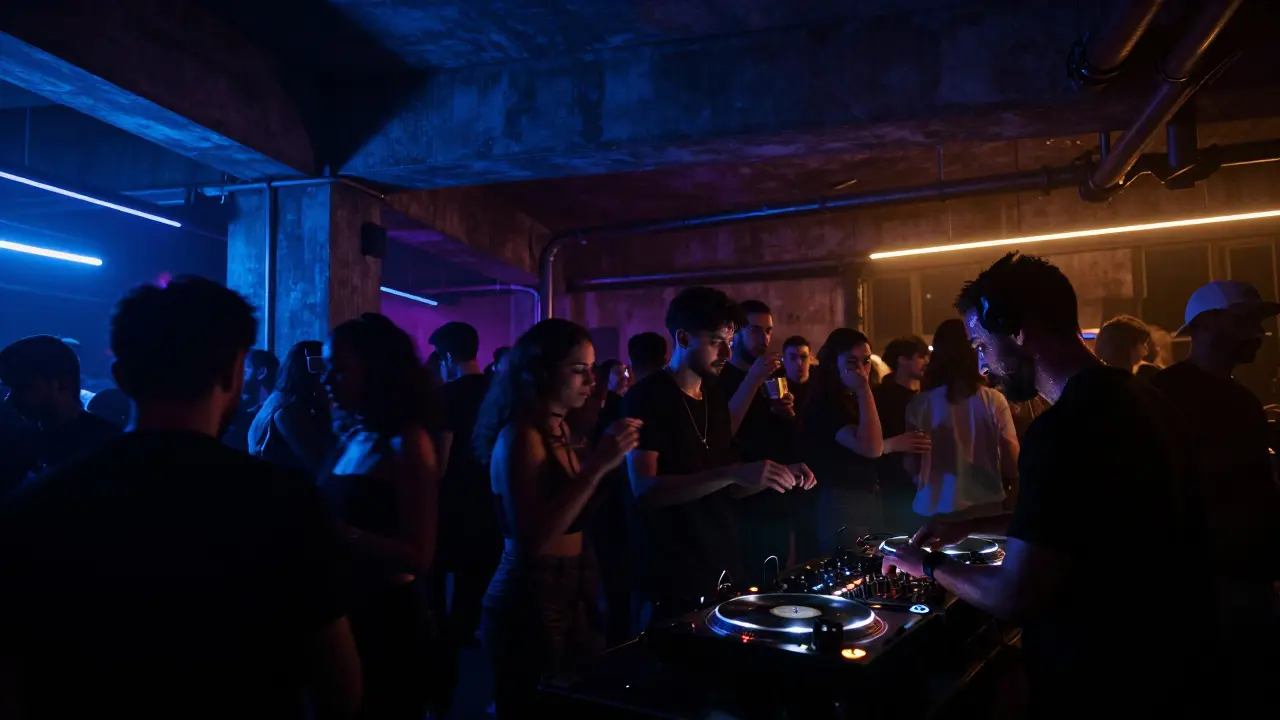
If you want to dance, go to Magazzini Generali in the Porta Genova area. It’s a converted warehouse with industrial ceilings, giant speakers, and a sound system that makes your chest vibrate. The DJs play deep house, techno, and rare Italo-disco from the 80s. The line outside can stretch 30 minutes on weekends, but it moves fast. Inside, it’s a mix of students, artists, and expats who’ve lived here long enough to know the real scene.
For something more underground, try Le Bains Douches in the Isola district. It’s hidden behind a nondescript door, no sign, no website. You find it by word of mouth. The music changes every night-sometimes jazz, sometimes experimental electronic, sometimes live punk. The crowd is young, diverse, and totally unbothered by trends. It’s the kind of place where you’ll meet someone who’s been coming here since 2010 and still says it’s the best night of their week.
Bars That Feel Like Secret Clubs
Milan has more hidden bars than you can count. Some require reservations. Some need a password. Some just need you to look like you belong.
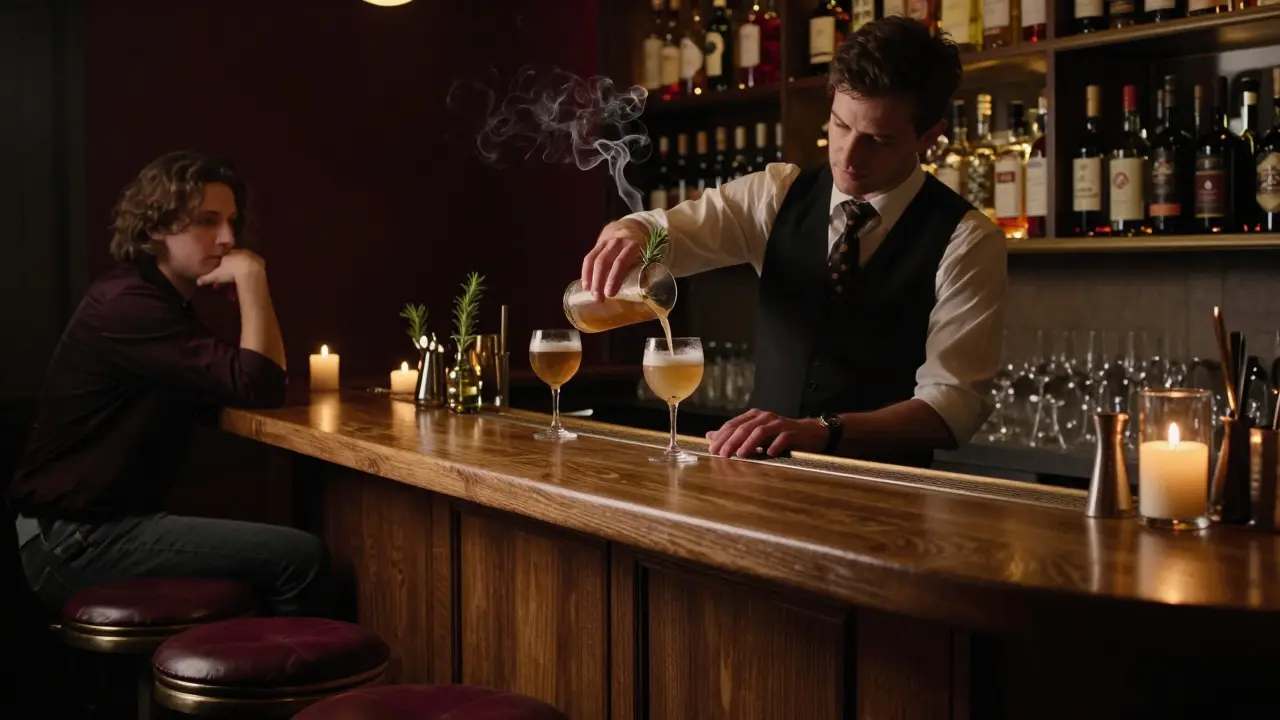
Bar Basso already made the list-but don’t miss Lo Sguardo in the Brera neighborhood. It’s tiny, with only six stools. You book a table online weeks in advance. The bartender doesn’t speak English. He doesn’t need to. He asks what you like, nods, and makes you something you’ve never tasted. One night it was gin with rosemary syrup and smoked salt. Another, it was a whiskey sour with a hint of black pepper. No menu. No photos. Just flavor.
Perché No? is another hidden gem. It’s in a basement under a bookstore in the Porta Ticinese area. The walls are lined with old vinyl records. The lights are low. The music is vinyl-only-no digital playlists. You can order a Negroni or a glass of natural wine. The owner, Luca, will tell you about the band that played here last month or the poet who wrote a whole book sitting at that corner table. It’s not a bar. It’s a time capsule.
Neighborhoods That Define the Night
Not all of Milan’s nightlife is the same. Each district has its own heartbeat.
- Brera is for slow nights. Think candlelit wine bars, jazz trios, and couples sharing a bottle of Barolo. It’s romantic, quiet, and perfect if you’re not in the mood for noise.
- Navigli is for long, lazy evenings. The canals are lit with fairy lights. People sit on benches, drink spritzes, and talk until 2 a.m. The bars here spill onto the sidewalks. You’ll find live acoustic sets and food trucks serving panzerotti. It’s the most tourist-friendly, but still feels local.
- Isola is where Milan’s new generation lives. Industrial lofts, street art, and underground clubs. This is the place to go if you want to see what Milan will look like in five years.
- Porta Venezia is the multicultural hub. You’ll find Thai bars next to Irish pubs, Ethiopian restaurants next to queer dance floors. It’s wild, unpredictable, and full of surprises.
What to Avoid
Not every place that looks like a nightclub is worth your time.
Stay away from the bars near the Duomo that advertise “Happy Hour with Free Shots.” They’re packed with drunk tourists, overpriced drinks, and loud EDM that drowns out conversation. The same goes for the clubs that charge €50 cover and play the same Top 40 hits every night. These places exist for Instagram, not for music or community.
Also, avoid going out on a Monday. Most clubs are closed. Even the bars slow down. Friday and Saturday are the real nights. Wednesday can be surprisingly good if you’re looking for something quieter.
When to Go, How to Dress
Milan doesn’t care if you’re rich. But it notices if you’re sloppy.
Dress code? It’s not strict-but it’s real. No flip-flops. No baseball caps. No sweatpants. Even in summer, most locals wear dark jeans, a clean shirt, and leather shoes. You don’t need a suit. But you do need to look like you tried.
Start early. Aperitivo at 7. Dinner at 9. Drinks at 11. Club at 1. Leave by 3. That’s the rhythm. If you show up at 11 p.m. expecting to dance, you’ll be late. If you show up at 5 p.m., you’ll miss the whole point.
Final Tip: Talk to the Bartenders
The best night in Milan doesn’t come from a blog. It comes from a conversation.
Ask the bartender, “Where do you go when you’re off duty?” They’ll give you a name. A street. A door you wouldn’t find on Google Maps. That’s where the real magic happens.
You won’t remember every club. But you’ll remember the night you sat on a rooftop in Navigli, sipping prosecco as the city lights flickered on, and someone you just met told you a story you’ll never forget.
What time do clubs in Milan usually open?
Most clubs in Milan open around midnight, especially on weekends. Some, like Magazzini Generali or Le Bains Douches, might not get busy until 1 a.m. Don’t expect to dance before 11 p.m.-the real energy starts later.
Is Milan nightlife expensive?
It depends. Aperitivo costs €12-€18 and includes food. A cocktail at a trendy bar is €14-€18. Club cover charges range from €10 to €30, depending on the venue and night. You can have a great night out for €50-€70 total if you avoid tourist traps and stick to local spots.
What’s the dress code for Milan nightlife?
No flip-flops, no hoodies, no athletic wear. Men: dark jeans, button-down shirt, clean shoes. Women: dressy but not over-the-top-think tailored pants or a simple dress. Milanites notice effort. You don’t need a suit, but you do need to look intentional.
Are there any gay-friendly nightlife spots in Milan?
Yes. Porta Venezia and Isola are the most welcoming districts. Bars like Bar Rosso and La Scala are long-standing LGBTQ+ favorites. Magazzini Generali and Le Bains Douches are also inclusive, with mixed crowds and no judgment. Milan’s scene is generally open, but the most authentic spots are found off the main drag.
Can you visit Milan nightlife without speaking Italian?
Absolutely. Most bartenders and club staff in popular areas speak English. But learning a few phrases-"Un Aperol, per favore," "Grazie," "Dove si va dopo?"-goes a long way. Locals appreciate the effort, and it opens doors to places you won’t find in guidebooks.