
The Escort's Guide to Berlin's Hidden Gems
 Feb, 13 2026
Most people think of Berlin as a city of clubs, museums, and history. But if you’ve spent even a few nights here, you know the real magic isn’t on the postcards. It’s in the alleyways, the quiet cafés, the rooftop gardens no Google Maps shows. And if you’re an escort who’s seen the city through the eyes of travelers looking for more than just a checklist, you know where to go when the crowds fade.
Where the Locals Go After Midnight
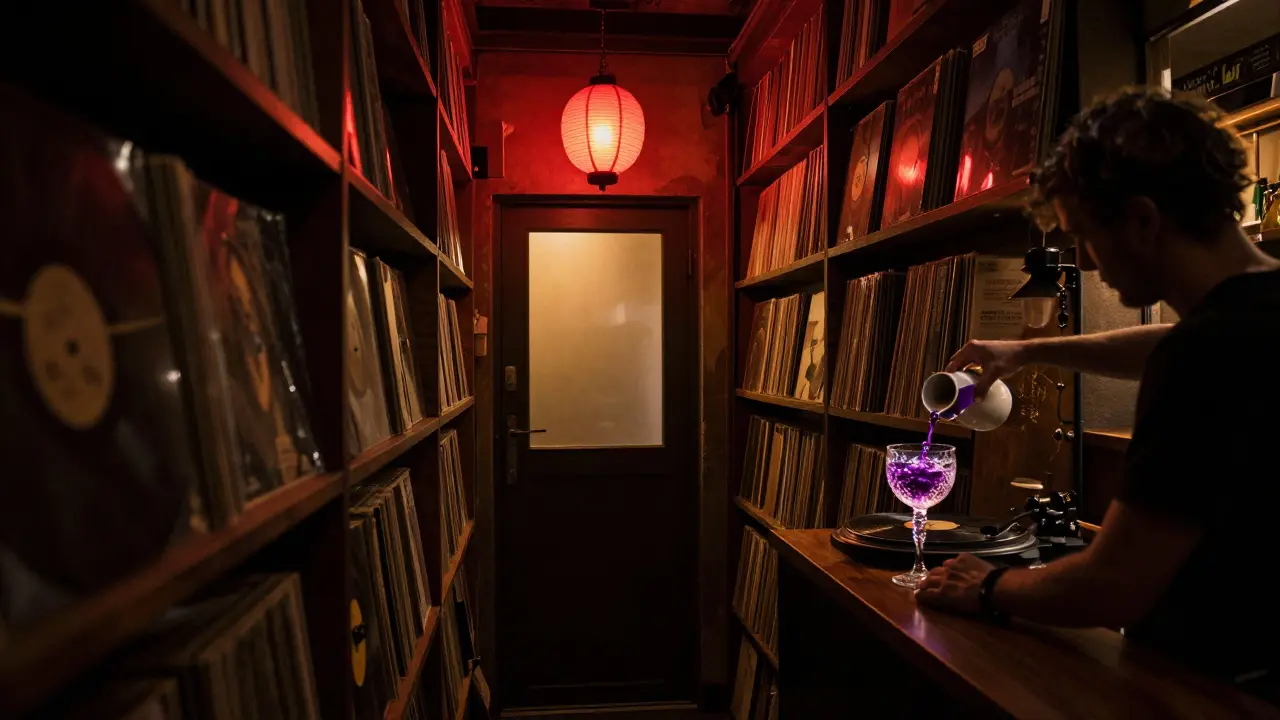
You’ve probably heard of Mitte. You’ve walked past Alexanderplatz. But have you ever sat at Teufov, a tiny bar tucked under a railway bridge in Neukölln? It doesn’t have a sign. Just a single red lantern and a door that looks like it leads to a storage closet. Inside, the walls are lined with vinyl records from the 80s, and the bartender serves gin cocktails with homemade lavender syrup. No menu. You tell him what you’re feeling-he’ll make it. This place doesn’t open until 11 p.m., and it closes when the last person leaves. Regulars? Mostly artists, ex-pats, and a few escorts who know how to disappear into the city.
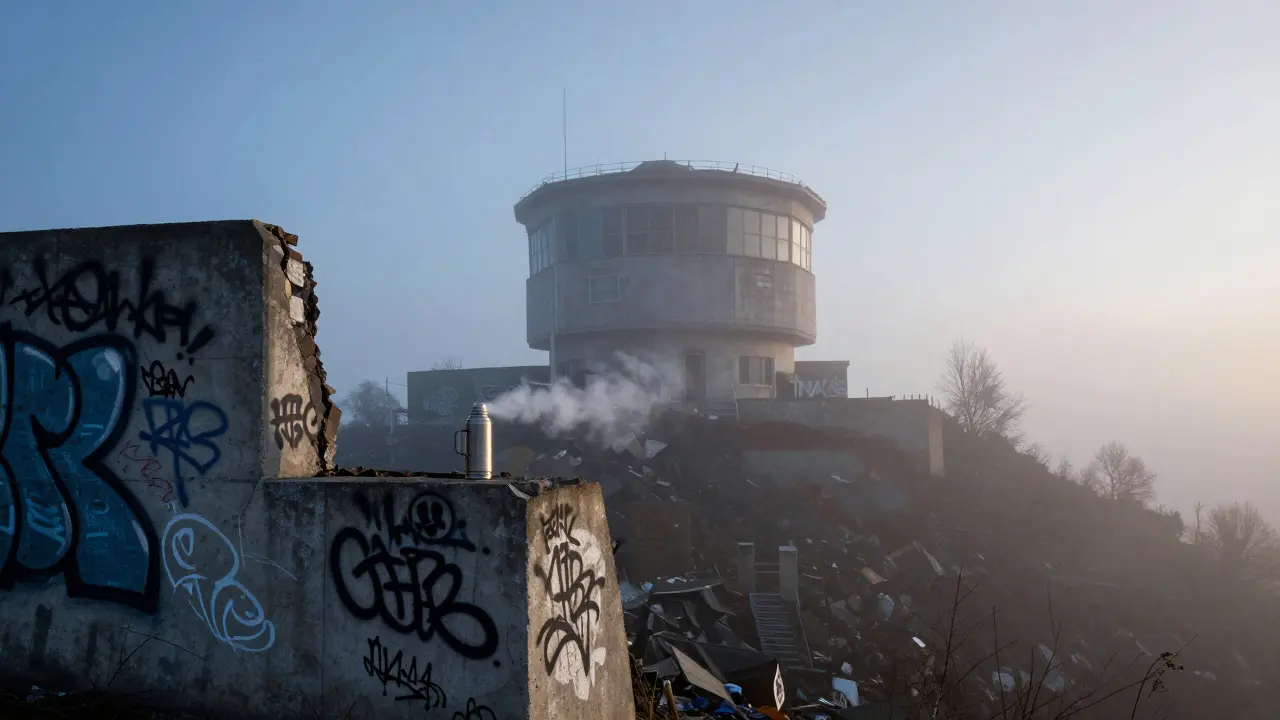
Another spot? Teufelsberg. It’s not a secret anymore, but most visitors still don’t get it right. The abandoned NSA listening station on top of a hill made from WWII rubble? It’s haunted by echoes of Cold War static. Go at dawn, not noon. Bring a thermos. The fog rolls in over the city like smoke, and the murals on the cracked concrete walls-some painted by street artists, others by former spies-start to glow. No crowds. No selfies. Just silence and the wind.
The Cafés That Don’t Exist on Instagram
Most tourists line up at Flat White or St. Oberholz. But if you want real coffee, head to Barista’s Secret in Prenzlauer Berg. It’s run by a former barista from Melbourne who moved here after falling in love with Berlin’s slow rhythm. The beans? Single-origin, roasted in-house. The espresso? Strong, clean, with a hint of dark cherry. You won’t find it on any influencer’s feed. But if you ask for the ‘blackbird’-a pour-over with orange blossom water-you’ll know why locals come back.
And then there’s Wunderbar, a café that doubles as a library. No Wi-Fi. No power outlets. Just books, tea, and a rule: no phones after 5 p.m. It’s owned by a woman who used to be a librarian in East Berlin. She still keeps handwritten notes on which books are ‘for quiet days’ and which are ‘for loud conversations.’ Bring a book. Or leave one. No one cares. That’s the point.
The Parks No One Tells You About
Everyone knows Tiergarten. But have you been to Tempelhofer Feld after sunset? It’s the old airport turned public park. By day, it’s packed with cyclists and kite flyers. By night? It’s a different world. The runway lights are off. The only illumination comes from lanterns strung between abandoned control towers. People sit on the grass, play vinyl records on portable speakers, and talk about things they never say in daylight. Some come here to think. Others come to forget. You’ll find both.
Then there’s Plötzensee Park. It’s small. Quiet. Surrounded by gray apartment buildings. But in the center, there’s a single oak tree planted in 1945. A memorial. Not for war. For peace. Locals leave notes under its roots-letters to lost lovers, wishes for tomorrow, poems written on napkins. You won’t find a plaque. No signs. Just the tree, and the silence around it.
The Art You Can’t Book Online
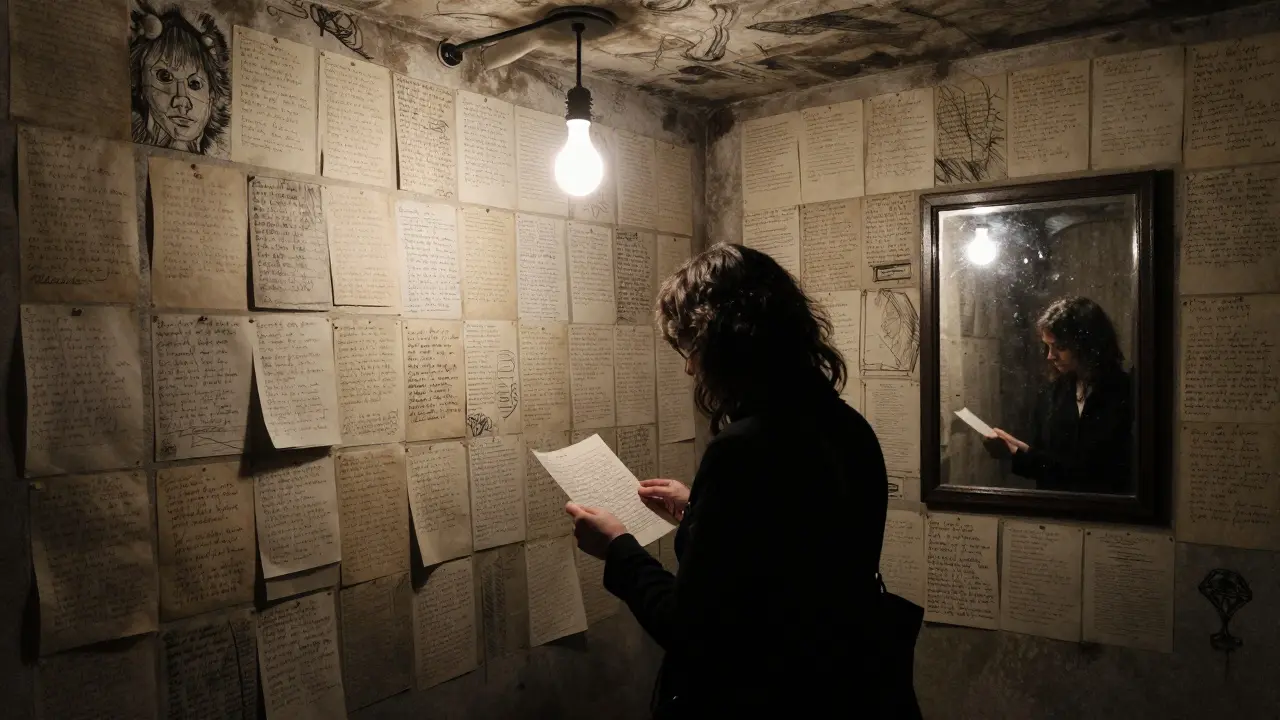
Berlin has galleries. But the real art? It’s hidden. Der Kiez is a basement gallery in Kreuzberg that only opens on full moons. No website. No social media. You get the address from a friend. Or a stranger. Or a barista who says, ‘Go to the corner of Danziger and wait for the man with the red scarf.’ Inside? One artist. One room. One piece. It changes every time. Last month, it was a mirror that reflected your face as a child. This month? A wall of 300 handwritten confessions. No names. No dates. Just truth.
And then there’s Die Kulturschmiede-a former Soviet-era laundry turned experimental theater. Performances happen in the drying rooms. No seats. You stand. Sometimes you’re handed a coat to wear. Sometimes you’re asked to sing. The show lasts 47 minutes. Always. The performers? Former refugees, ex-musicians, and one woman who used to be a tour guide in East Berlin. She now sings lullabies in 12 languages to strangers.
The Food That Doesn’t Appear on Maps
You’ve had currywurst. You’ve tried döner. But have you eaten Streitsuppe? It’s a soup made by an old woman in a kitchen behind a laundromat in Lichtenberg. She’s been making it since 1989. No menu. No prices. You pay what you feel. It’s a mix of cabbage, pork, caraway, and something she won’t name. People come from all over the city for it. Some say it heals. Others say it remembers. You’ll know which one you are after your first spoon.
And then there’s Wochenmarkt am Gleisdreieck-a weekend market that only exists on Saturdays. Vendors sell homemade pickles, smoked fish, and bread baked in wood-fired ovens. But the real draw? The woman who sells Geheimrezept-a secret recipe jam made from wild blackberries and rose petals. She only makes 12 jars a week. If you ask nicely, she’ll tell you how to find the berries. They grow behind a fence in a forgotten cemetery. No one else knows.
Why These Places Matter
Berlin doesn’t reveal itself to those who rush. It doesn’t care about your itinerary. It doesn’t need your money. It waits. For the ones who sit still. Who listen. Who ask the right questions. As an escort, you’ve seen how tired people are-how they come here looking for connection, for escape, for something real. These places aren’t tourist traps. They’re anchors. They hold the city’s soul.
You don’t need a guidebook. You don’t need an app. You just need to slow down. To sit in a café where no one speaks English. To walk a street that doesn’t have a name. To let Berlin decide when and how it lets you in.
Are these places safe for solo visitors?
Yes. Most of these spots are in residential neighborhoods with low crime rates. The real danger isn’t the streets-it’s rushing through them. Take your time. Trust your instincts. Berlin is one of the safest major cities in Europe. But like anywhere, it rewards patience, not hurry.
Do I need to tip at these hidden spots?
Tipping isn’t expected, but it’s appreciated. At places like Teufov or Barista’s Secret, cash left on the table is often used to buy coffee for the next person. At Wunderbar, you can leave a book instead. At Streitsuppe, pay what you feel. The system works because people respect the space, not because they’re forced to.
Can I bring a guest? Or is this just for solo travelers?
Absolutely. These places welcome company. But they’re not for loud groups or Instagram shoots. Quiet pairs, small circles, or even just one person with a book-those are the right fits. Der Kiez, for example, allows two guests per night. Wunderbar lets you bring one friend. The rule is simple: if you’re there to be seen, you’re in the wrong place.
What’s the best time of year to find these spots?
Late autumn and early spring. Summer is crowded. Winter is cold. But in October or March, the city breathes differently. The light is softer. The streets are quieter. The people are more open. That’s when Der Kiez opens its doors. That’s when the jam vendor at Wochenmarkt starts her season. That’s when the oak tree at Plötzensee feels most alive.
How do I find the address for Der Kiez or Teufov?
You don’t look online. You ask. A bartender. A taxi driver. A woman reading in the park. Berliners don’t give out secrets easily-but they’ll give them to someone who listens. Say you’re new. Say you want to see the real city. Nine times out of ten, they’ll lean in and whisper a name. Or a street. Or a date.