
The History of Escorts in Paris: From Royal Courts to Modern Companionship
 Jan, 13 2026
Paris has always been a city of allure, where desire, art, and power intertwined. The presence of paid companionship here isn’t a modern invention-it’s as old as the city’s cobblestones. Long before the internet made it easy to find someone for dinner or a night out, Parisians relied on networks of companions who offered more than just company. These weren’t just prostitutes in fancy dresses; they were diplomats, muses, confidantes, and sometimes, the only people who could navigate the dangerous politics of court life.
Medieval Paris: The First Paid Companions
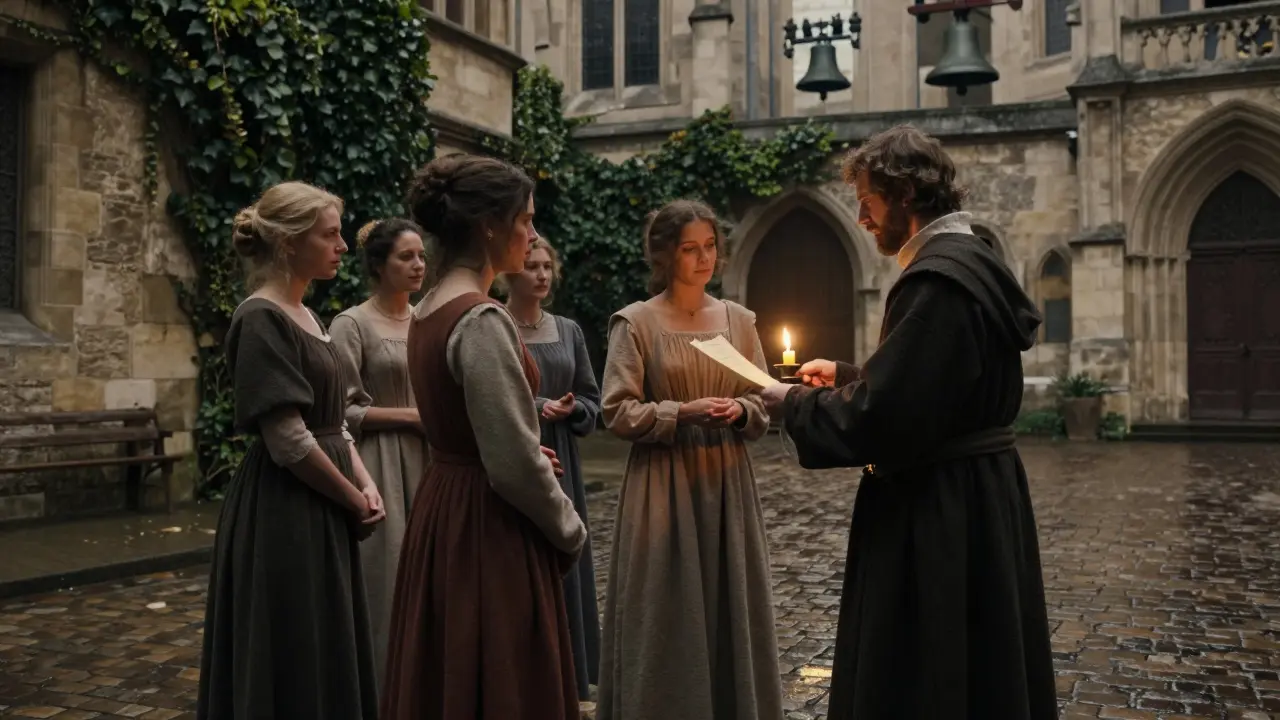
In the 13th and 14th centuries, Paris was a city of strict moral codes, yet also one of hidden freedoms. While the Church preached chastity, the nobility lived differently. Women known as filles de joie-girls of joy-were tolerated in certain districts, especially near the Palais de la Cité and along the Seine. They weren’t called escorts then, but their role was clear: to provide conversation, dance, and intimacy to wealthy men who couldn’t or wouldn’t marry for love.
Unlike later eras, these women often lived in communal houses run by madams who acted as managers, negotiators, and protectors. Some earned enough to buy property. One recorded case from 1372 shows a woman named Marguerite de la Tour leaving her entire estate-including two houses and a vineyard-to her daughter, a rare sign of economic independence for a woman of that time.
The Enlightenment: Escorts as Cultural Power Brokers
By the 1700s, Paris had become the intellectual capital of Europe. Salons hosted by women like Madame de Geoffrin and Madame du Deffand turned private homes into political and artistic hubs. These women didn’t just host-they curated. And they often employed companions to manage guests, carry messages, and sometimes, to distract jealous husbands or rival courtiers.
It was during this time that the first true elite escorts emerged. They weren’t just there for sex. They were fluent in Latin, could debate Voltaire, and knew which aristocrat was secretly funding a pamphlet against the monarchy. Some, like Jeanne Bécu (later Madame du Barry), rose from street life to become the official mistress of Louis XV. Her influence was so great that ministers changed policy to please her. She wasn’t just an escort-she was a political actor.
The Belle Époque: Glamour, Art, and the Birth of the Modern Escort
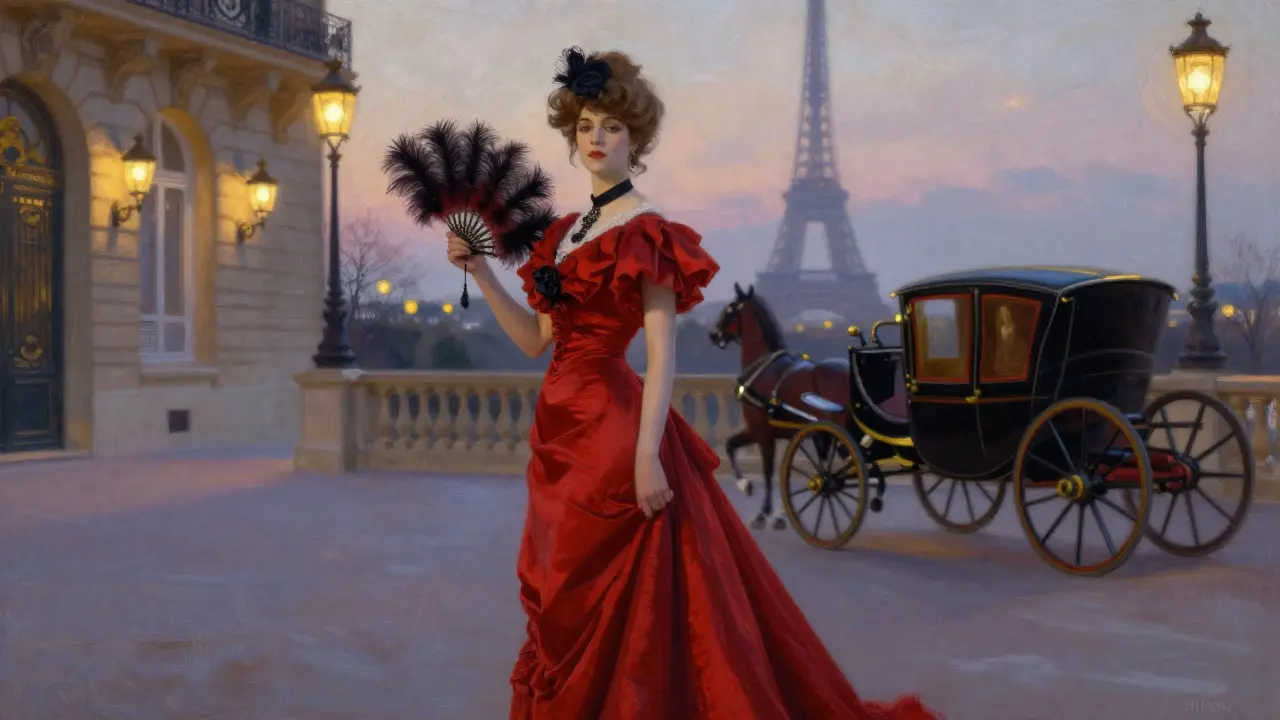
The late 1800s brought a golden age to Paris. The Eiffel Tower was new, cafés buzzed with poets, and the city’s nightlife exploded. This was the era of cabarets like Moulin Rouge and the rise of the grande cocotte-the high-class courtesan who lived in mansions, wore couture from Worth, and was painted by Toulouse-Lautrec.
These women didn’t hide. They advertised in newspapers. They had personal chefs, carriage drivers, and secretaries. Their clients included artists, industrialists, and even foreign royalty. Sarah Bernhardt, the legendary actress, was rumored to have had relationships with multiple male companions who acted as her protectors and social liaisons. She once said, “A woman needs a man to be seen, but she needs a companion to be understood.”
By 1900, Paris had over 3,000 registered courtesans. The city kept a registry, not to punish them, but to tax them. Each woman paid a monthly fee, got a health check, and was assigned a district. It was a system of control disguised as regulation-and it worked. Paris became known worldwide for its sophisticated, discreet, and highly professional companionship scene.
Post-War Paris: From Scandal to Silence
After World War II, France tried to clean up its image. The brothels of the Rue de la Goutte-d’Or and Montmartre were shut down in 1946 under the Loi Marthe Richard. Publicly, the state claimed it was protecting women. Privately, it was about morality and international reputation.
But the demand didn’t disappear. It went underground. Wealthy men still wanted companions who could talk about art, handle business dinners, or accompany them to the opera without drawing attention. The new escorts didn’t wear lace gloves and feathers-they wore Chanel suits and carried designer handbags. They worked through word-of-mouth networks, private clubs, and discreet agencies.
Unlike the 19th century, these women were often educated. Many had degrees in literature, languages, or fine arts. Some worked as translators or gallery assistants by day and offered companionship at night. The line between professional and personal blurred. A man might hire a woman for a week-long trip to the South of France and later invite her to his daughter’s wedding. It wasn’t transactional-it was relational.
Modern Paris: Digital Age, Discreet Networks
Today, Paris has no legal brothels, no red-light districts, and no official registry. But the tradition didn’t die-it evolved. The modern escort in Paris is often a woman (or sometimes a man) who uses private platforms, encrypted messaging, and curated profiles to connect with clients who value discretion, intelligence, and cultural fluency.
Many work independently. They don’t advertise on public sites. Instead, they’re recommended through trusted circles: a lawyer who knows a client’s wife is away, a hotel concierge who recognizes a regular guest’s preferences, a gallery owner who introduces a collector to someone who speaks fluent Italian and knows the difference between a Monet and a Renoir.
Prices vary. A casual dinner might cost €300. A weekend in Provence? €3,000 or more. The most sought-after companions charge €1,000 per hour-not because they’re beautiful, but because they’re reliable, well-read, and never overshare. One client, a Swiss banker, told a journalist in 2023: “I don’t need someone to make me laugh. I need someone who remembers what I said last time-and doesn’t repeat it.”
Why Paris Still Leads in Companionship
No other city has turned companionship into an art form the way Paris has. It’s not about sex. It’s about presence. About being the person who listens without judging, who knows when to speak and when to stay quiet, who can match your mood, your pace, your silence.
The history of escorts in Paris isn’t a story of exploitation-it’s a story of adaptation. Each generation redefined what companionship meant. In the Middle Ages, it was survival. In the Enlightenment, it was influence. In the Belle Époque, it was glamour. Today, it’s intimacy with boundaries.
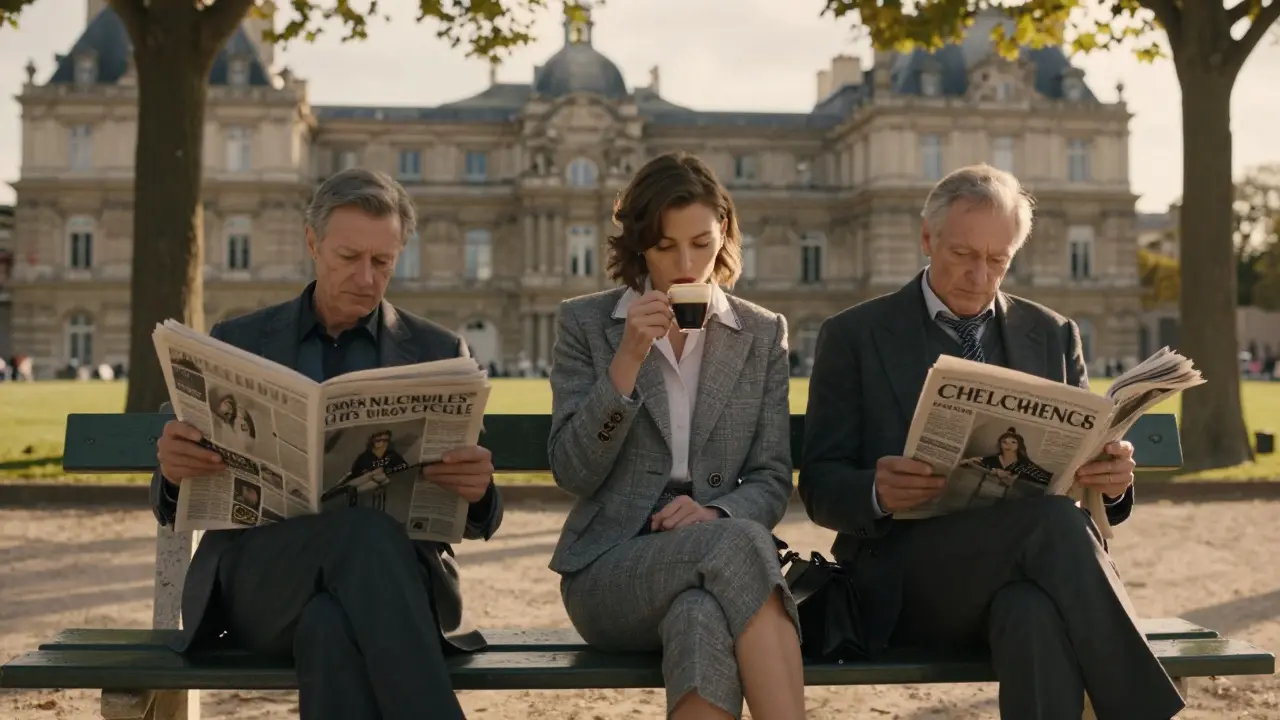
Paris doesn’t celebrate its escort history in museums. But if you walk through the Jardin du Luxembourg at sunset, you’ll see couples talking quietly on benches. Some are married. Some aren’t. And some? They paid for the privilege of being heard.
What Makes a Parisian Companion Different?
What sets Parisian companions apart isn’t their looks-it’s their training. Many learn etiquette at schools like the École de l’Élégance or through private mentors. They study wine pairings, Renaissance art, French poetry, and how to hold a conversation without dominating it. They learn to read body language, not just words.
Unlike in other cities, where companions are often marketed as sexual services, Parisian professionals emphasize emotional intelligence. A 2022 survey of 142 clients found that 89% chose their companion for their ability to “make me feel understood,” not for physical attraction.
It’s why the most respected names in the industry today-like Élodie V. or Julien R.-don’t have Instagram pages. They have waiting lists. And they never, ever give out their home address.
The Future of Companionship in Paris
As AI chatbots and virtual companions grow more advanced, some wonder if human escorts will become obsolete. But Parisians have seen trends come and go. What lasts is human connection-especially when it’s rare.
Younger clients, aged 25 to 40, are more interested than ever in companions who can offer real depth: someone who’s read the same books, traveled the same places, and can discuss climate policy over a glass of Burgundy. The demand isn’t shrinking-it’s getting more selective.
Paris will always need people who can bridge the gap between loneliness and belonging. And as long as that need exists, so will the companions who fill it-with grace, intelligence, and quiet dignity.
Were escorts legal in historical Paris?
Yes, but regulated. From the 17th to the 19th century, Paris maintained a registry of courtesans who paid taxes and underwent health checks. Brothels were legal until 1946, when the Loi Marthe Richard shut them down. But private companionship was never illegal-only public solicitation and organized brothels were targeted.
How did elite escorts in the 1800s differ from street prostitutes?
They lived in luxury, had private residences, employed staff, and were often educated. While street workers survived on small payments and faced violence, elite courtesans negotiated fees, built reputations, and moved in aristocratic circles. Some even owned art collections and hosted salons. Their clients were bankers, artists, and nobles-not laborers or soldiers.
Is it still common to hire companions in Paris today?
Yes, but discreetly. There are no public ads or brothels. Modern companions work through private networks, referrals, and encrypted platforms. Clients value confidentiality, cultural knowledge, and emotional intelligence over physical appearance. Many are highly educated professionals who treat companionship as a service, not a stigma.
Do modern Parisian escorts have formal training?
Many do. Some attend schools like the École de l’Élégance, which teaches etiquette, conversation skills, wine knowledge, and cultural awareness. Others learn through mentors or years of experience. The best ones know how to read a room, match a client’s tone, and never overstep boundaries.
Why do clients in Paris prefer local companions over foreign ones?
Because Parisians understand the city’s unspoken rules. A local companion knows which cafés are quiet enough for a business conversation, which museums have free entry on Sundays, and how to navigate French social customs without making a mistake. Language fluency matters, but cultural fluency matters more.