
The Ultimate Guide to Nightlife in Milan: How to Party Like a Local
 Mar, 9 2026
Most tourists think Milan’s nightlife is all about fancy cocktails and designer clubs. But if you really want to know how to party like a local, you need to skip the tourist traps and find the places where Milanese actually unwind after work. Forget what you see on Instagram. The real scene is raw, unpredictable, and way more fun.
Where the locals go after 11 p.m.
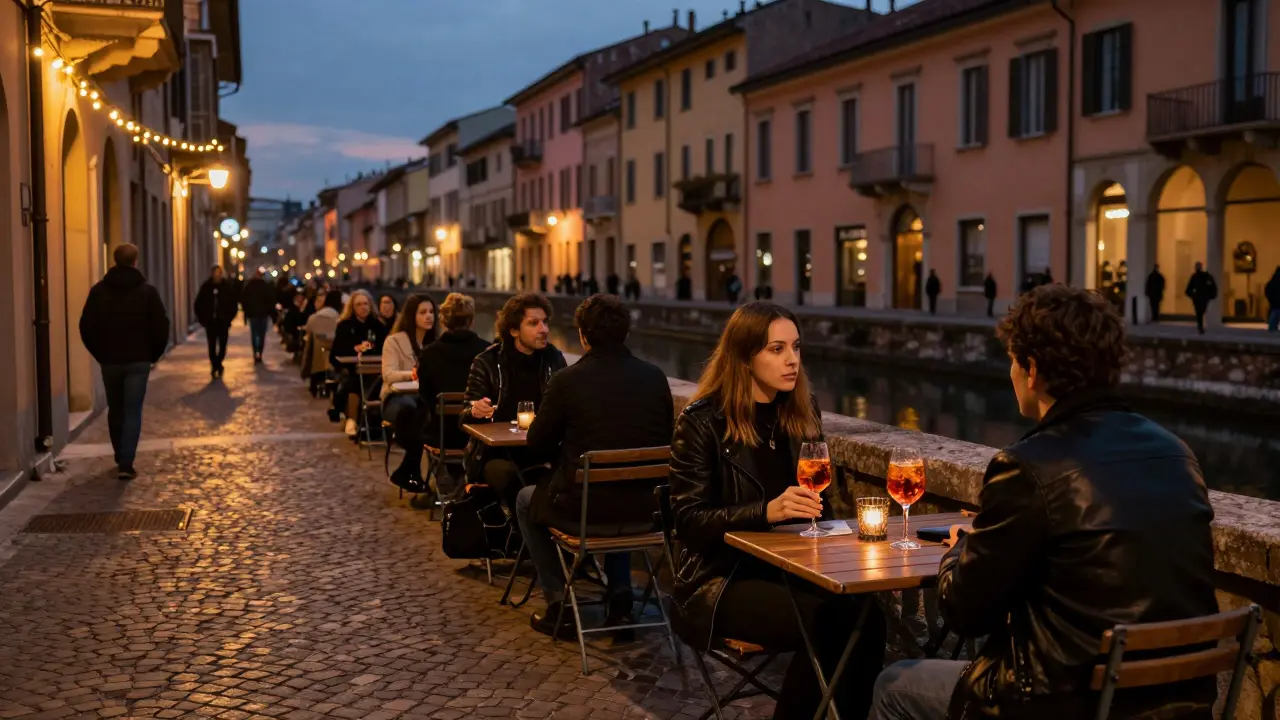
Most visitors head straight to Navigli is a canal district in Milan known for its lively bars, outdoor seating, and weekend crowds. Also known as The Navigli District, it was once a working canal network and now serves as the city’s most popular nightlife hub. for drinks. And sure, it’s fun - but it’s also packed with tourists, overpriced drinks, and loud music that doesn’t even sound like Italian pop. Locals? They show up around 11 p.m., not 8 p.m. That’s when the real energy starts.
By midnight, the crowd shifts. You’ll see people in leather jackets and minimalist coats, sipping Aperol spritzes while talking over the hum of Italian jazz. The secret? Walk just one block away from the main canal. Head to Bar Luce is a retro-style bar in Navigli designed by filmmaker Wes Anderson, popular with Milanese creatives and artists. for a quiet drink, then move to Caffè del Cappuccino is a hidden gem in the Navigli area, known for its late-night espresso and local wine selection. for a glass of Lambrusco. No one’s taking photos here. Everyone’s just talking.
Clubbing? Go where the locals work.
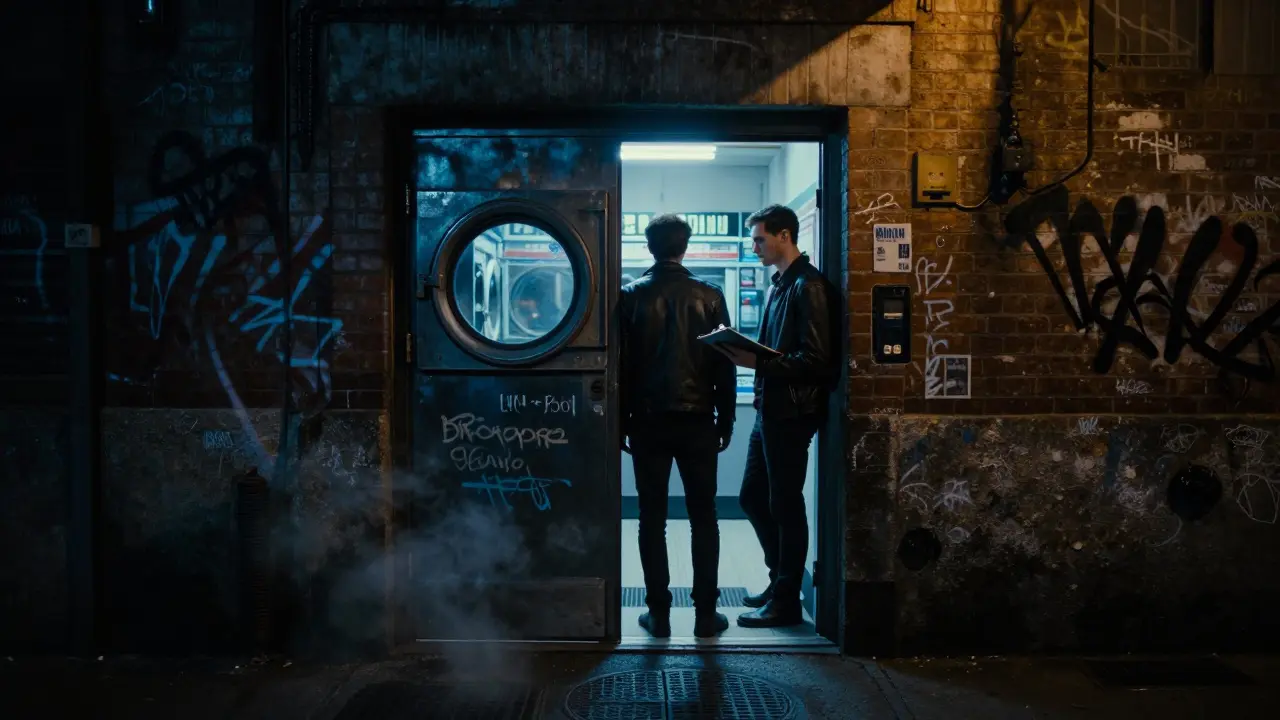
Forget La Scala is a world-famous opera house in Milan, often mistaken as a nightlife venue by tourists. - it’s not a club. The real club scene lives in industrial warehouses and underground spaces. The most talked-about spot right now is Bikini is a legendary underground club in Milan, known for its eclectic music, no dress code, and late-night crowd of artists and designers.. It’s not on Google Maps. You find it by asking someone who’s been there. The entrance? A metal door behind a laundromat in the Porta Genova area. No bouncers. No VIP lists. Just a guy with a clipboard who nods if you look like you belong.
Music here isn’t EDM. It’s a mix of Italian disco, post-punk, and forgotten 80s synth. People dance like no one’s watching - because no one is. The crowd? Designers from Prada, baristas from coffee shops in Brera, students from Polytechnic. No one’s wearing designer logos. Everyone’s wearing black. And the night doesn’t end until 5 a.m.
Don’t skip the aperitivo - but do it right.
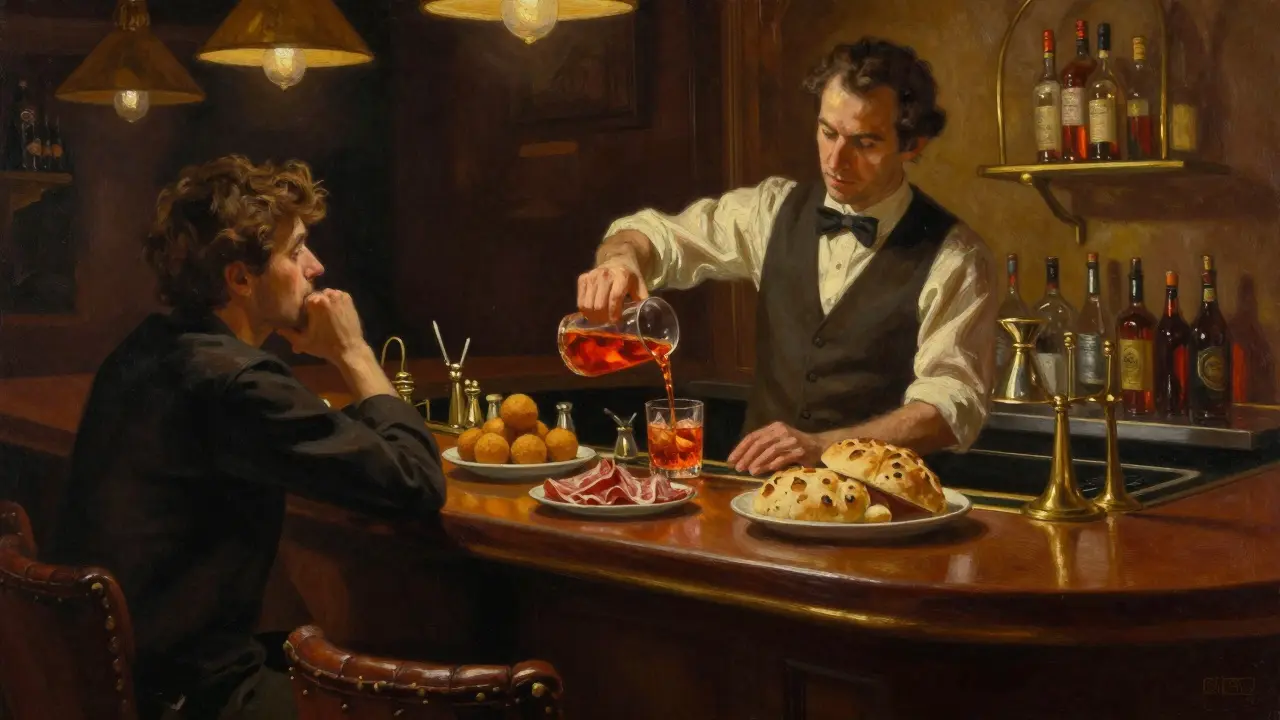
Aperitivo isn’t just a drink. It’s a ritual. And if you do it wrong, you’ll look like a tourist. Locals don’t go to Caffè Pasticceria Marchesi is a historic pastry shop in Milan, famous for its cakes and luxury ambiance, often visited by tourists. for aperitivo. They go to Terrazza Aperol is a popular rooftop bar in Milan with affordable drinks and a view of the city skyline. - but only on weekdays. Saturday? Go to Bar Basso is a historic cocktail bar in Milan, credited with inventing the Negroni Sbagliato.. This place has been around since 1956. The bartenders don’t smile. They pour like they’ve done it a thousand times - because they have.
The key? Order the Negroni Sbagliato is a Milanese twist on the classic Negroni, made with sparkling wine instead of gin.. It’s the city’s signature drink. And yes, it comes with a free snack buffet. But don’t expect chips and pretzels. You’ll get arancini, cured meats, and homemade focaccia. The better the bar, the better the food.
What to wear - and what not to wear
Milanese don’t dress for clubs. They dress for themselves. No one’s wearing sneakers with a suit. No one’s in a baseball cap. You don’t need to be rich. You just need to look like you care.
Men: dark jeans, a simple button-down, and a leather jacket. No logos. No sneakers. A pair of clean loafers works too.
Women: tailored pants, a silk top, or a little black dress. Heels? Only if you’re comfortable. Flat boots are everywhere. No glitter. No oversized handbags. No touristy scarves.
And forget the “no jeans” rule at clubs. That’s a myth. The only place that might turn you away is Bocconi is a private members-only club in Milan, popular with Milanese elites and business professionals. - and even then, it’s about how you carry yourself, not what you’re wearing.
When to go - and when to stay home
Weekends? They’re crowded. But not because locals are partying hard. They’re there because tourists are. If you want the real vibe, go on a Wednesday. That’s when the city’s creatives get together. You’ll find live jazz at Jazz Club Milano is a small, intimate jazz venue in Milan with weekly performances by local musicians. or a silent disco in a parking lot under the metro lines.
Thursday? Try La Cucina is a hidden bar in Milan that hosts themed nights, from karaoke to poetry readings.. It’s not advertised. You hear about it through word of mouth. One night it’s karaoke with opera singers. The next, it’s poetry in dialect. No cover charge. No reservations. Just show up.
And if you’re going out on Friday? Don’t. Unless you want to wait an hour for a table and pay €18 for a gin and tonic. Locals save Friday for dinner with friends. The party starts Saturday night - and ends Sunday morning.
The unspoken rules
There are no signs. No signs saying "no photos." No signs saying "no smoking." But everyone knows the rules.
- Don’t take selfies at the bar. It’s rude.
- Don’t ask for a menu. You’ll be handed a drink and a plate - no questions asked.
- Don’t talk loudly. Milanese don’t shout. They lean in.
- Don’t leave a tip. The price is the price.
- Don’t ask for the "best club." Ask for "where you went last night."
And if someone invites you to a secret party? Say yes. They’ll text you the address at 10 p.m. It might be a rooftop. A basement. A converted church. No one knows until they get there.
What you won’t find - and what you should avoid
There’s no EDM festival in Milan. No bottle service. No VIP booths. No bouncers checking IDs with laser scanners. If you see a club with neon lights and a DJ spinning Taylor Swift, walk away.
Stay away from Piazza Duomo is the main square in Milan, home to the cathedral and a major tourist attraction, not a nightlife destination. after dark. It’s empty. And not because it’s safe - because it’s boring. The real action is in the alleys behind the train station, in the courtyard of the old textile mills, or in the back room of a bookstore that turns into a bar at midnight.
And don’t trust apps that say "Top 10 Clubs in Milan." They’re all written by tourists who spent one night in Navigli.
Final tip: Be curious, not loud
Milanese don’t care if you’re from New York or Tokyo. They care if you’re interested. Ask about the music. Ask why the bartender uses that specific gin. Ask where they used to go before Navigli got popular.
One guy at Bar Basso is a historic cocktail bar in Milan, credited with inventing the Negroni Sbagliato. told me he’s been working there since 1987. "People come here for the drink," he said. "But they stay for the silence. That’s what makes Milan different. We don’t need noise to feel alive."
That’s the secret. Milan doesn’t party loud. It parties deep.
Is Milan nightlife safe at night?
Yes, Milan is generally safe at night, especially in areas like Navigli, Porta Genova, and Brera. Stick to well-lit streets and avoid isolated alleys near the train station after 2 a.m. Most locals walk home alone, even late. But like any big city, watch your belongings - pickpockets target tourists in crowded bars. Keep your phone and wallet out of sight.
Do I need to make reservations for clubs in Milan?
Almost never. The best spots - like Bikini or La Cucina - don’t take reservations. They operate on a first-come, first-served basis. If a club asks for a reservation, it’s probably a tourist trap. Some upscale lounges like Bocconi might require a guest list, but even then, you’ll need a local connection. The real scene is open to anyone who shows up with the right attitude.
What’s the average cost of a night out in Milan?
You can have a full night out for €30-€50. Aperitivo with food: €12-€18. A cocktail at Bar Basso: €14. A club entry at Bikini: free. A late-night espresso: €2.50. Avoid places that charge more than €20 for a drink - they’re targeting tourists. Locals know the hidden bars with €8 spritzes and unlimited snacks.
What time do clubs close in Milan?
Most clubs in Milan close between 4 a.m. and 5 a.m. Some underground spots like Bikini stay open until 6 a.m. on weekends. Bars in Navigli often serve coffee until 7 a.m. The city doesn’t shut down - it just slows down. If you’re still going at 3 a.m., you’re already part of the scene.
Are there any dress codes in Milan clubs?
Most clubs have no official dress code. But there’s an unspoken one: no sportswear, no flip-flops, no logos. Think minimalist, dark, and clean. A leather jacket, dark jeans, and clean shoes will get you in anywhere. If you’re wearing a baseball cap or a hoodie with a brand name, you’ll stand out - and not in a good way. The goal isn’t to look rich. It’s to look like you belong.
Can I find English-speaking staff in Milan clubs?
In tourist spots, yes. In the real ones? Not always. Many bartenders and club staff speak little English - and that’s intentional. They’re not being rude. They’re protecting the vibe. Learn a few Italian phrases: "Un negroni sbagliato, grazie," "Dove si va dopo?" (Where do you go after?), "È qui?" (Is it here?). You’ll get in faster - and the locals will respect you more.